

Some nights, anxiety does not arrive loudly. It waits until the lights are low.
The day is over. Your body is tired. The room is quiet. You finally lie down, hoping rest will come easily. Then the mind begins. A conversation replays. A forgotten task appears. Tomorrow’s responsibilities arrange themselves into a list. Your chest feels tight. Your body wants sleep, but your thoughts are still moving.
This is where sleep meditation for anxiety can become a gentle support. Not a way to force yourself to sleep. Not a cure. Not another thing to do perfectly.
A sleep meditation is a soft nighttime ritual that gives your mind somewhere calmer to land. Through breath, body awareness, guided audio, sound, and gentle attention, you create a bridge between the activity of the day and the rest your body is asking for.
At SoulFul GLO, sleep meditation is part of a deeper evening experience: guided meditation, sound journeys, gentle yoga, journaling, and emotional reflection designed to help you release the day and return to yourself.
Quick Answer: What Is Sleep Meditation for Anxiety?
Sleep meditation for anxiety is a calming bedtime practice that uses guided audio, breath awareness, body relaxation, sound, or gentle visualization to help the mind and body transition toward rest. It does not force anxious thoughts to disappear. Instead, it gives your attention a softer anchor when worry or overthinking feels loud at night.
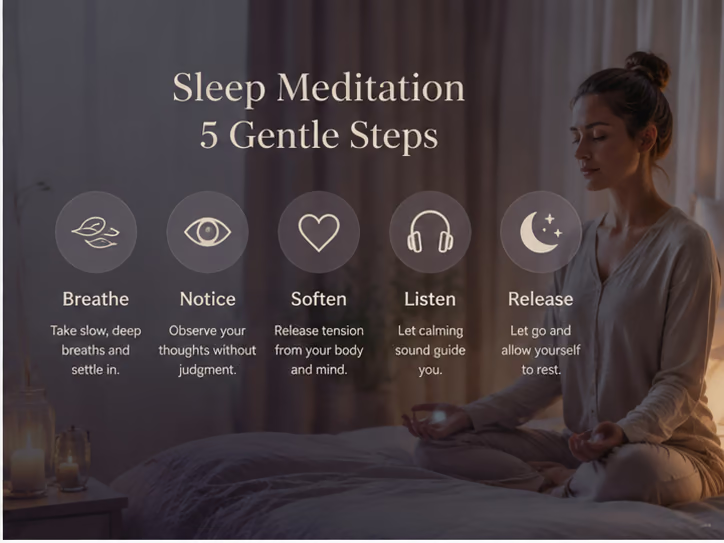
- Lie down comfortablyFeel the body supported by the bed.
- Let the breath be naturalAllow the exhale to soften without forcing it.
- ListenChoose a calming guided meditation, sound, or phrase.
- Return gentlyWhen thoughts appear, come back to the voice, sound, breath, or body.
- ReleaseRepeat: “For tonight, this can wait.”
What Is Sleep Meditation for Anxiety?
Sleep meditation for anxiety is a meditation practice designed for bedtime anxiety, nighttime worry, and a restless mind. It may include a calming guided voice, breath awareness, body scanning, soft sleep sounds, sound journeys, gentle visualization, grounding phrases, journaling before meditation, or restorative yoga before bed.
Unlike daytime meditation, sleep meditation does not require you to stay alert or sit upright. You can practice lying down. You can let your eyes close. If you drift into sleep, that is okay.
The goal is not to meditate perfectly. The goal is to create a softer state of attention. Instead of following every anxious thought, you return to something steady: the breath, the body, a sound, a guided voice, a phrase, or the feeling of being supported.
The SoulFul GLO Guided Meditation Library gives you a place to begin when you want a calming practice that feels structured but gentle.
Why Anxiety Feels Stronger at Bedtime
Anxiety often feels stronger at night because the day finally becomes quiet. During the day, attention is pulled outward by work, messages, responsibilities, caregiving, conversations, errands, and decisions. At bedtime, those distractions fade and the mind finally has space.
The Day Starts Replaying
You may remember something you said, something someone else said, or something you wish had gone differently.
Tomorrow Arrives Too Early
Your mind may begin preparing, predicting, and problem-solving before the next day has even started.
The Body Holds Stress
Anxiety is not only mental. It can show up as tight shoulders, a clenched jaw, shallow breath, restlessness, or a heavy chest.
The Pressure to Sleep Adds More Pressure
When you think, “I need to fall asleep now,” sleep can start to feel like a performance. That pressure may make the mind even louder.
For more support, read How to Calm Anxiety Before Sleep and Meditation for Racing Thoughts at Night.
A Gentle Sleep Meditation for Anxiety
Use this practice tonight when your body feels tired but your mind feels active.
Step 1: Let the Body Be Held
Lie down in bed or rest comfortably on a mat. Notice the pillow under your head, the mattress beneath your back, the blanket over your body, your resting hands, and your supported legs. Say silently: “I do not have to hold myself up right now.”
Step 2: Let the Breath Be Natural
Do not force deep breathing. Notice your breath exactly as it is. Then gently soften the exhale: inhale naturally, exhale slowly, and rest for one moment.
Step 3: Choose One Anchor
Choose one thing to return to: a guided voice, a calming sound, the feeling of the blanket, the breath, a phrase, or the weight of the body. Your anchor is not meant to stop thoughts. It is simply where you return.
Step 4: Name the Thought Softly
When a thought comes up, do not fight it. Say “Thinking,” “Planning,” “Remembering,” or “Worrying,” then return to your anchor. This is not failure. This is meditation.
Step 5: Use a Closing Phrase
Repeat slowly: “For tonight, this can wait.” Or: “I am allowed to rest before everything is solved.” Let the phrase become quiet. Let the body soften. Let the practice be enough.
3-Minute, 5-Minute, and 10-Minute Sleep Meditation Options
| Time | Best for | Practice |
|---|---|---|
| 3 minutes | Very tired but anxious | Feel the body supported, soften the exhale, repeat one calming phrase |
| 5 minutes | Restless mind | 1 minute journaling, 2 minutes guided meditation, 2 minutes soft sound |
| 10 minutes | Full wind-down | 2 minutes gentle yoga, 3 minutes journaling, 3 minutes guided meditation, 2 minutes sleep sounds |
You do not need to do the longest version. A small bedtime ritual repeated gently is often more supportive than a perfect routine that feels impossible.
What to Do When Thoughts Keep Coming Back
Thoughts will come back. That does not mean the meditation is not working. The mind’s job is to think. At night, especially after a stressful or emotionally full day, it may keep trying to solve, protect, review, or prepare.
Instead of asking, “Why can’t I stop thinking?” try asking: “Can I return gently?”
- NoticeA thought is here.
- NamePlanning. Worrying. Remembering. Replaying. Problem-solving.
- ReturnCome back to the guided voice, sound, breath, or body.
You do not need to win against the mind. You only need to guide it back softly.
Pair Sleep Meditation With Sound
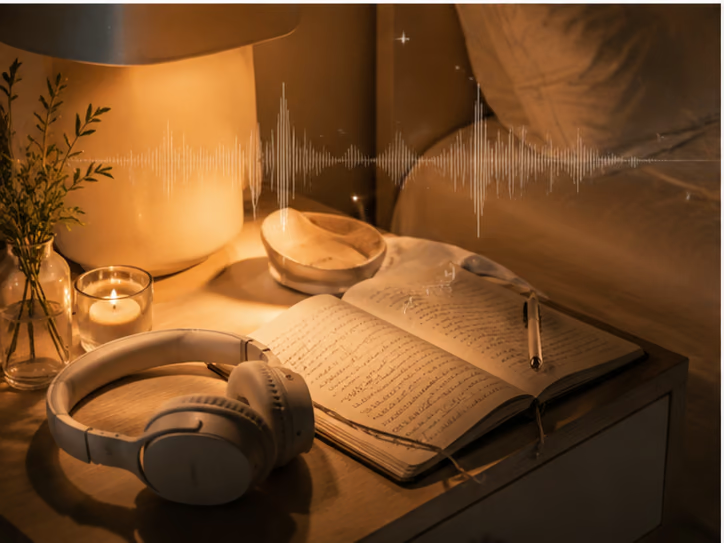
Sound can be especially helpful when silence feels too loud. A guided meditation gives structure. A soundscape gives atmosphere. Together, they can create a softer transition into rest.
Choose sound when your mind keeps racing, silence feels uncomfortable, you want a softer atmosphere, you need a sleep cue, you want to journal before bed, or you want fewer words and more feeling.
Explore SoulFul GLO’s sound identity in Far East Healing Sounds. For bedtime sound rituals, read Bedtime Routine With Soundscapes. To compare options, visit Soundscapes vs Guided Meditation vs Yoga.
Add Gentle Yoga Before Sleep
Sometimes anxiety lives in the body. If you lie down and still feel restless, gentle movement before meditation may help you transition more softly.
- Child’s pose: Rest your forehead on a pillow or mat. Let the body fold inward.
- Supine twist: Lie on your back and let your knees fall to one side. Keep the breath easy.
- Legs up the wall: Rest your legs against a wall or on a chair. Let the floor hold you.
- Supported rest: Place a pillow under your knees and one hand on your belly.
For a deeper practice, read Gentle Yoga Before Bed, Restorative Yoga for Sleep, and Yoga for Emotional Balance.
Journaling Prompts for Nighttime Anxiety
If the same thought keeps repeating, write it down before meditation. This tells the mind: “I heard you. You do not have to repeat this all night.”
- What thought keeps repeating tonight?
- What am I trying to solve before sleep?
- What can wait until tomorrow?
- What did I do my best with today?
- What does my body need right now?
- What am I allowed to release tonight?
- What would I tell a friend who felt this way?
- What is one small truth I can trust?
- What support do I need tomorrow?
- What can I stop carrying alone?
Try this three-line version:
Tonight I am carrying:
For now, I can release:
Tomorrow, one gentle step is:
Sleep Meditation for Women Carrying the Day
For many women, nighttime anxiety is connected to everything held during the day: the remembering, planning, caregiving, emotional labor, pressure to be responsive, and quiet expectation to keep everything together.
At night, the body may finally ask: “Can I put this down?”
A women-centered sleep meditation should not feel like another task. It should feel like permission to stop, soften, be supported, and rest before everything is solved. Explore more in Meditation for Women.
Frequently Asked Questions
What is sleep meditation for anxiety?
It is a calming bedtime practice that uses guided audio, breath awareness, sound, body relaxation, or gentle visualization to help the mind and body transition toward rest.
Can sleep meditation help with anxiety?
Sleep meditation may support self-care by giving anxious thoughts a softer anchor before bed. It is not a cure or substitute for professional care, but it can be a helpful nighttime ritual.
What should I do if my mind keeps racing?
Gently name thoughts as “thinking,” “planning,” or “worrying,” then return to the guided voice, sound, breath, or body. The return is the practice.
Is it okay to fall asleep during meditation?
Yes. If you are practicing sleep meditation, falling asleep is completely fine.
Should I use guided meditation or sleep sounds?
Use guided meditation when you want structure and reassurance. Use sleep sounds when you want fewer words and more atmosphere. You can also combine both.
How long should sleep meditation for anxiety be?
Start with three to five minutes. If it feels supportive, try ten minutes or longer.
Can yoga help before sleep meditation?
Gentle yoga may help if anxiety feels physical. Slow poses such as child’s pose, supine twist, legs up the wall, or supported rest can help prepare the body.
When should I seek professional help for anxiety?
If anxiety regularly interferes with sleep, daily life, work, relationships, or wellbeing, consider speaking with a qualified medical or mental health professional.
Final Takeaway
Sleep meditation for anxiety is not about forcing the mind into silence. It is about creating a softer place for the mind to land.
A guided voice. A calming sound. A supported body. A gentle breath. A few thoughts placed on the page. A quiet phrase: For tonight, this can wait.
With SoulFul GLO, your sleep journey can become a ritual of release through guided meditation, sound journeys, yoga, journaling, and emotional reflection.
Start a Sleep Journey
Create a softer nighttime ritual with guided meditation, calming sound, and gentle reflection.
Wellness note: This article supports general wellbeing and self-care. Sleep meditation is not medical treatment or a substitute for qualified medical or mental health care.