
Friends have left after a busy afternoon, or you have returned from an enjoyable gathering. The visit may have been welcome, and you may still want a period without another conversation. A short sound journey is one optional way to spend that pause. You do not need to describe the visit as exhausting or treat ordinary sociability as something that damaged your wellbeing.
Start with three practical questions: do I want audio, what needs attention first, and is anyone expecting me to keep talking? Answering those makes the pause easier to arrange. This guide concerns an individual listening choice after an ordinary social occasion. It does not promise recovery or decide what you should feel about the visit. The next activity can remain a separate choice.
Quick answer
Finish necessary practical arrangements, tell anyone affected that you would like a short listening pause, and choose a sound journey you actually want to hear. Use a suitable seat and accessible controls. Listen without requiring the recording to cancel the visit or prepare you for more sociability. Stop when needed and decide afterward whether conversation, quiet or another activity fits next.
You can choose silence instead. The pause does not need music, headphones or a special explanation to be valid. If audio would compete with a household need or another person's activity, another arrangement may be easier. Keep the decision about listening separate from the question of whether you enjoyed the people you saw.
Identify what you want after the visit
Start with an ordinary preference: fewer words for a while, an audible focus or a change of activity. Naming that preference can make the next choice simpler. It does not establish a condition that needs treatment, and you do not have to decide whether you are a particular personality type before choosing to sit quietly.

A gathering can be enjoyable and still end with a wish for something different. Wanting a pause does not erase the enjoyable parts. Conversely, a sound journey does not have to make you feel grateful about an occasion that was awkward. Let your view of the visit remain yours while you choose a separate activity in the present.
Other people may want different next activities. One might keep talking while another gets food or heads home. If someone invites you to continue the conversation, give a clear answer rather than assuming they recognise your listening plan. You can appreciate the company and choose some time alone without asking everyone else to make the same choice.
For the separate possibility of listening together, SoulFul GLO's shared sound-journey guide explains agreement and different responses. Here, the main choice is an individual pause after shared time. You can enjoy company without making the next activity another shared exercise.
Attend to practical responsibilities before pressing play
Check what remains to be done. A guest may need directions, a shared door may need securing or something in the kitchen may need attention. Handle the actual responsibility or agree who is taking care of it. Listening is not a way to leave another person guessing whether you are still available for a necessary handover.
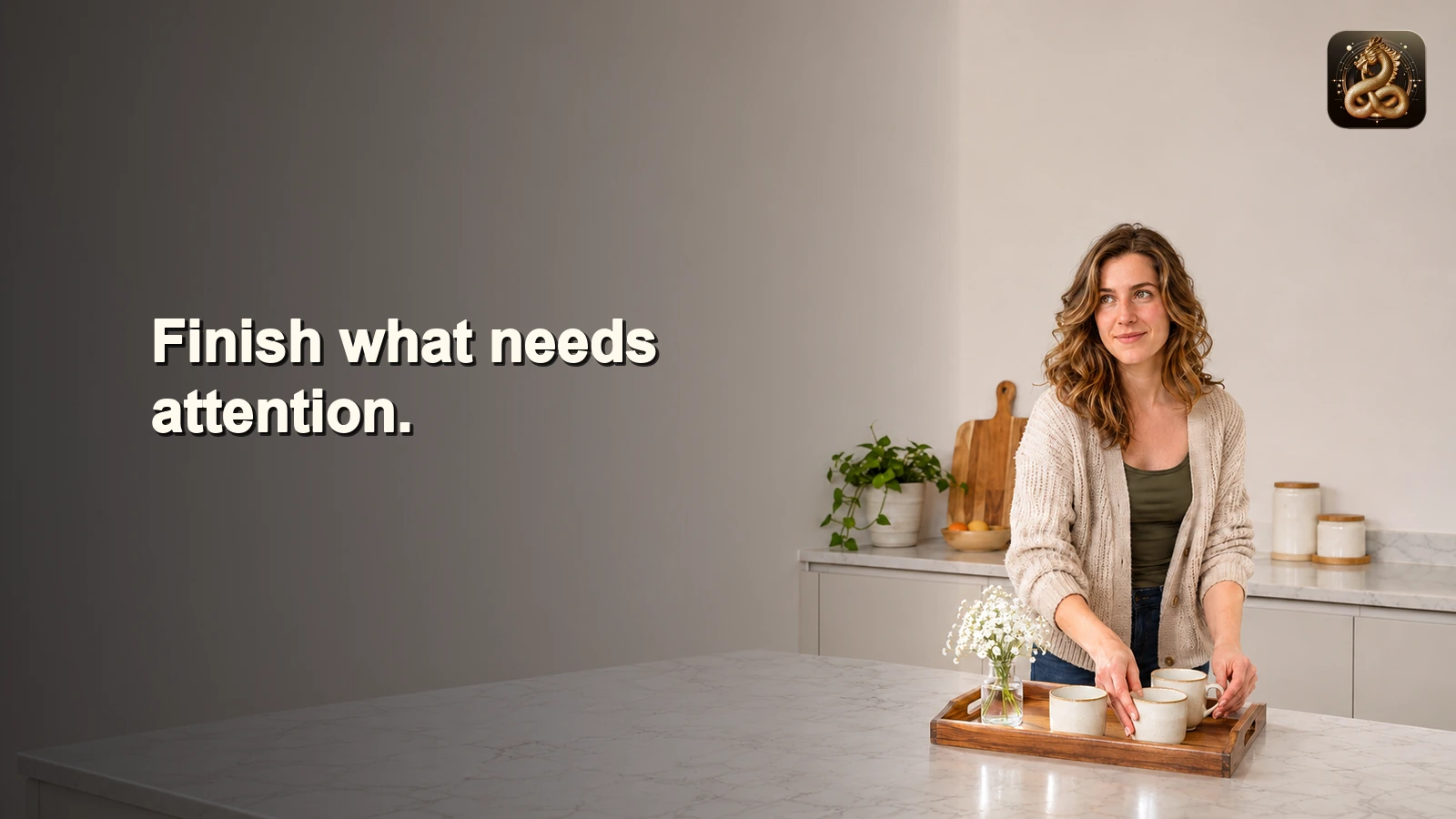
Sort the remaining tasks into what needs doing now and what can wait by agreement. You might put food away and close the door, while leaving ordinary clearing for later. If someone else is taking care of a task, check that handover before sitting down. A small, settled arrangement gives the pause a practical place in the evening.
If you are still travelling home, choose an appropriate activity for the journey and attend to its demands. This article's listening arrangement starts after you are safely settled. It does not recommend closed-eye listening while moving through unfamiliar surroundings, monitoring traffic or carrying out another task that needs your attention.
Once settled, check the time you actually have. You do not need a complete evening free, but the chosen period should leave room for the next commitment. A short optional listen can end before the recording does. The guide supplies no universal recovery duration and does not make finishing a track an obligation.
Explain the pause without diagnosing yourself or the visit
If someone is expecting conversation, a plain explanation can help: “I enjoyed seeing everyone. I'm going to listen quietly for a little while, then we can decide about dinner.” This is fictional suggested wording, not a message sent for you. Adapt it to an agreement you can actually keep, without promising a mood change afterward.
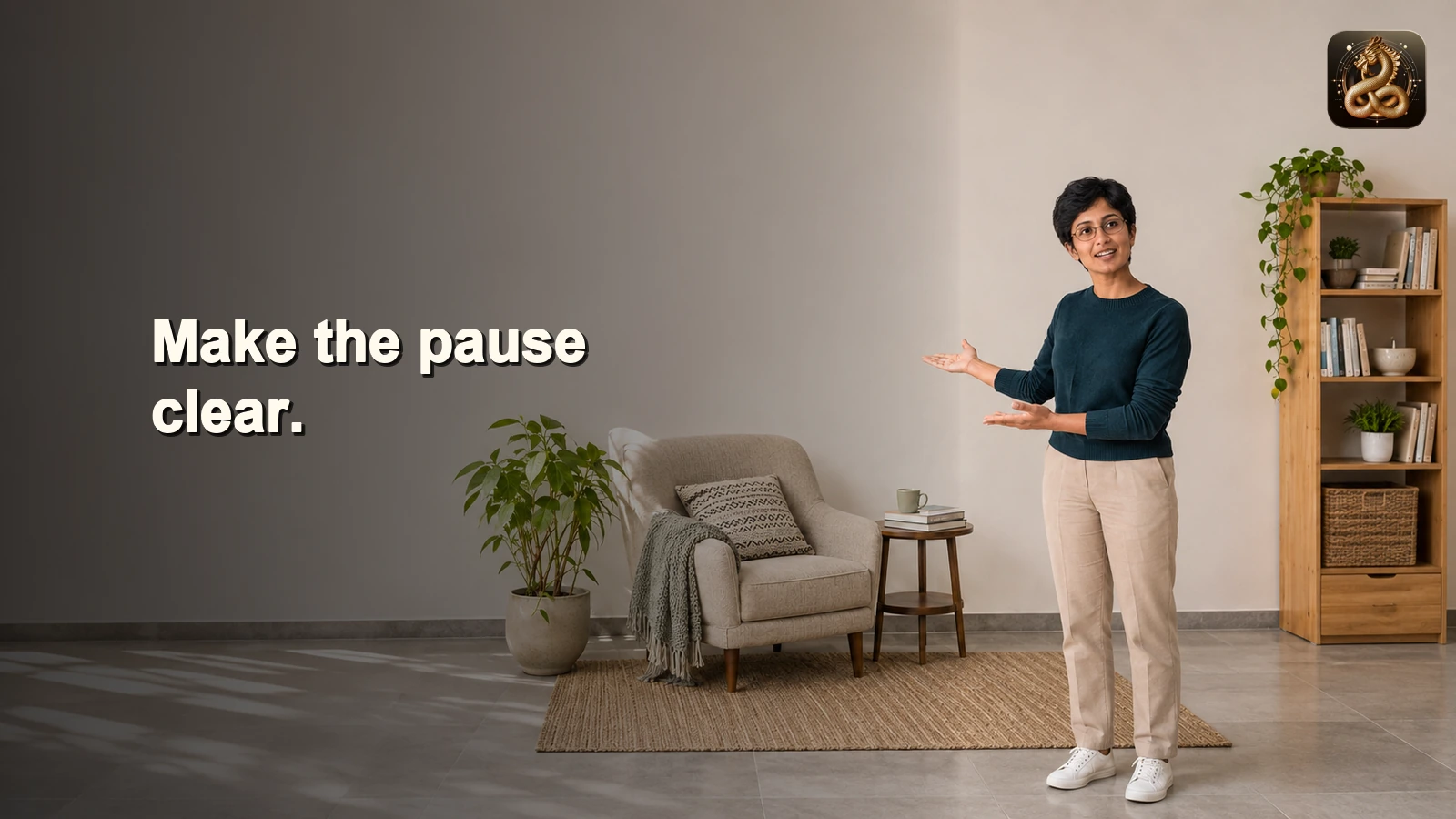
A shorter explanation may be enough: “I'm going to listen for a while; can we check about dinner afterward?” Use wording that matches an arrangement you can keep. Headphones alone may not tell someone whether you are available. A direct sentence makes the plan clearer without requiring a detailed account of your feelings or a judgment about the people who visited.
If an unresolved conversation matters now, decide together whether it can wait. Name the next practical step: talk before listening, agree to return to the question later, or get appropriate help with the concern. A recording cannot make that agreement for either person. Keep the listening choice separate from a disagreement that still needs a real response.
If you care for someone who may need you, keep that responsibility explicit. Choose a setup that fits the actual arrangement, or leave audio for another time. This article does not determine which sounds you must hear or what level of supervision is appropriate. Do not make listening the priority over a person who depends on your attention.
Choose the sound for the task, not a promised reset
Read the resource description and choose a recording you would like to hear. After much conversation, you may prefer less speech, but that is a preference rather than a rule about what the mind needs. A wordless recording, a guided session or silence can each appeal to different people on different occasions.

Check the duration and ending using the actual information available. A calm-looking cover image does not tell you whether the track includes voices, sudden changes or a spoken introduction. Preview when helpful. Do not assume a particular app includes a custom setting or a specific recording because a general article mentions sound journeys.
Keep playback comfortable for the setting and considerate of other people. Another person may want quiet or may still be using the room. If speakers would impose your choice on them, agree on a different setup or another time. There is no requirement to increase sound until it covers every reminder of the household.
Read SoulFul GLO's headphones-or-speakers guide if equipment and shared-room fit remain undecided. The useful question is who will hear the recording and how you will reach its controls, rather than which device can guarantee a particular feeling after social contact.
Explore an available listening resource
Use SoulFul GLO's sound-journey overview as a starting point for understanding the listening approach. Check the individual resource before choosing. Keep any invitation modest: this is an optional activity you may enjoy, not a promise to recover energy or become ready for another conversation.
Let attention move between memory and present sound
During listening, choose something currently audible: a note fading, a returning phrase or a quieter background detail. You do not need technical labels to notice it. If you are following a resource with specific instructions, use the actual explanation rather than inventing a hidden task about analysing the visit.
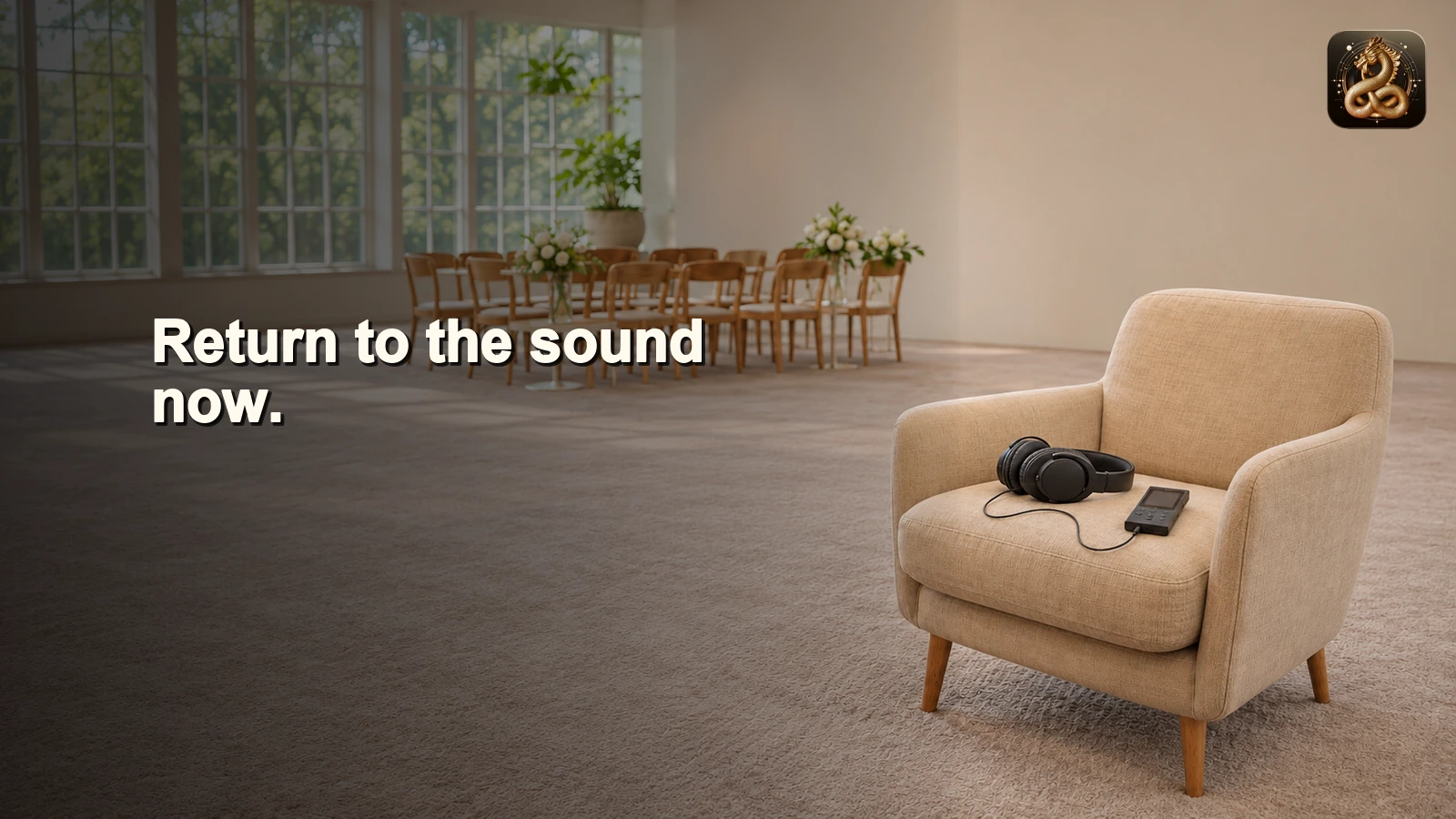
A remembered sentence may come to mind. You can recognise that you are thinking about the gathering, then return to the sound when you want. You do not need to silence every recollection, decide what a guest really meant or solve the conversation before the recording can continue. Thinking about a recent event is different from listening to the present track.
If a thought points to a practical action you genuinely need to take, stop and deal with it. The listening plan is not a rule against responding to useful information. You can choose again afterward, including choosing not to resume. An interrupted track need not become another unfinished item to carry into the evening.
The separate guide to memories during a sound journey addresses that attention choice in more detail. This article does not interpret memories as messages, evidence of a relationship problem or signs that sound is releasing something. Keep the event, your thoughts and the recording distinct.
Finish without testing whether you are sociable enough
At the endpoint, stop the player and notice what is around you. Check whether another track has started. Put the device somewhere suitable and make a fresh choice about the next activity. You might welcome conversation, want more quiet or need to begin an ordinary task. None of those responses proves that the recording succeeded or failed.

Make any check-in about an action you can choose, such as coming back to the kitchen when playback stops. Leave predictions about being cheerful, patient or ready for discussion out of the agreement. At the endpoint, you and the other person can decide what fits then. This keeps a useful plan without making someone wait for a promised change in feeling.
If you still prefer quiet, say so and check the practical commitments already made. Perhaps dinner preparation starts now while a personal conversation waits; perhaps another brief pause suits everyone. Use the actual agreement rather than treating the recording as the decision-maker. A changed preference can be discussed plainly, alongside responsibilities and the other person's wishes.
There is no need to grade the visit after the track. A simple observation about your setup may be useful: the seat was comfortable, the recording had more speech than you wanted or the chosen time was inconvenient. You can keep those practical details without building a record of how quickly you return to conversation.
Two fictional after-visit choices
In this invented example, Samira has enjoyed an afternoon with friends. Once the guests have left and the necessary household tasks are covered, she tells her partner she wants a short listening pause. She chooses a recording she already knows. A funny moment from the visit comes to mind; she lets the memory be pleasant, then follows a fading sound again.
After listening, Samira feels ordinary and is ready to make food. She does not report that the track restored anything. The example illustrates an agreed change of activity, not evidence of a wellness outcome. Her partner's preference for continuing a conversation can remain different without becoming a judgment about their time with friends.
In another fictional example, Ben returns from a gathering while a family member needs help with an immediate practical task. He leaves the sound journey for later. When the task is finished, he decides that sitting without audio is what he wants. The original plan remains an option, rather than a requirement he has failed to complete.
Frequently asked questions
Does wanting quiet mean I disliked the visit?
This article does not make that interpretation. You can enjoy a gathering and choose another activity afterward. Describe your own preference if you want to communicate it, without treating an optional pause as proof of a personality type or a verdict about the people you saw.
Must I choose a recording without voices?
No. Read the actual description and choose what appeals to you. Less speech may fit one occasion; a familiar guide may fit another. The choice does not establish what every person needs after conversation, and silence remains available without a recording.
What if I still do not want to talk afterward?
Make the next decision from the actual circumstances and agreements. The sound journey does not promise readiness for more conversation. Keep practical responsibilities clear and discuss an arrangement when another person is affected, rather than using a listening result as the explanation for everything that follows.
Can a sound journey prevent social exhaustion?
No such result is established here. This is an optional way to spend a chosen pause after an ordinary visit. Do not use it to diagnose or treat an ongoing concern. Seek appropriate qualified advice when a health issue needs attention instead of relying on a particular recording.
Choose the next activity without a recovery target
Read SoulFul GLO's guide to following a returning sound if you want a simple listening focus. Handle what needs attention, choose a workable pause and let the next decision remain open. You can appreciate shared time and still choose something quieter afterward.