
A call has ended and the next one starts later. You could open another feed, keep looking at the meeting window or spend part of the gap listening to an existing sound journey. If listening is what you want, the practical question is how to make room for it without losing track of the next commitment.
This guide concerns an optional seated break between ordinary video calls. It is not a productivity method, a treatment for screen fatigue or a promise that sound will improve your next conversation. The listening period and the return to the call are separate actions. Give both enough room in the plan.
Quick answer
Check the actual next meeting time and leave time for any preparation or reconnection you need. Finish the previous call, choose a short sound journey and keep a reliable stopping arrangement. Listen away from the meeting activity when practical. Stop playback, check that the audio has ended and reconnect deliberately. If the gap is too small, use another kind of break.
You do not need to become calm before returning or complete the recording if the schedule changes. A usable pause leaves you able to decide what happens next. It does not require ignoring an urgent responsibility, delaying another person or relying on a vague sense that you will notice the time.
Check the gap rather than assuming you have a full break
Look at the actual start time of the next call and what must happen before it. You may need to review a document, find a link, refill water or change rooms. Count those ordinary actions as part of the gap. An open calendar space is not all available listening time.

Check whether the previous call has actually ended. Closing a visible window, muting a microphone and leaving a meeting can be different actions. Use the real controls and confirm the state you need before opening personal audio. This guide cannot establish what every platform shows after you leave.
If another person is waiting for a follow-up, handle that responsibility or make a clear arrangement before withdrawing into listening. The optional break should not conceal an unfinished handover. A brief practical message can be more useful than trying to meditate while wondering whether someone needs an answer.
Do not force a sound journey into every interval. A very short gap may suit standing up, looking around the room or sitting without audio. You can make a different choice on different days. Listening is one available activity, not the proper way to use every break.
Decide what time the listening must end
Choose an endpoint earlier than the next meeting so that returning is not a race. The exact margin depends on your actual setup and preparation. This article supplies no universal number of minutes. Leave enough time to stop the player, orient yourself and check the connection you will use.
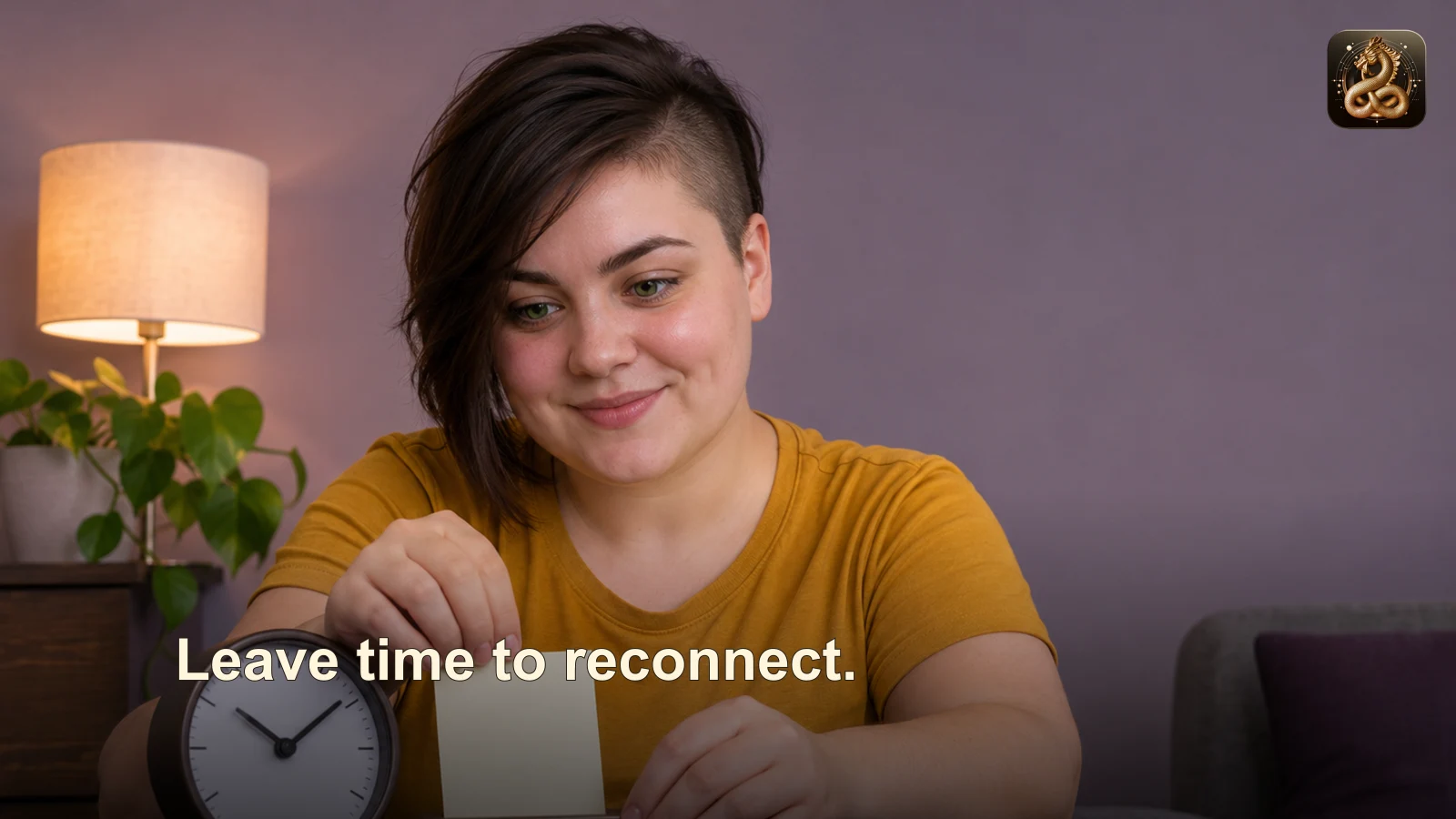
Use a stopping arrangement you understand and have tested. It could be a short recording whose ending fits the interval or a timer that remains noticeable in your chosen setup. Do not assume that a headphone, silent phone or backgrounded window will present an alert in the way you expect.
Keep the difference between a playback ending and a meeting reminder clear. A recording may finish while a queue starts another item. A calendar reminder may appear without stopping personal audio. Neither fact tells you that you have left enough time to return until you check what actually happens.
For a separate short-recording decision, SoulFul GLO's ten-minute sound-journey guide addresses choosing within a limited period. The plan here adds a scheduled conversation afterward. That appointment remains the boundary even when the selected recording has not reached a satisfying ending.
Leave the meeting activity before starting the listening task
Put the relevant meeting materials somewhere you can find them again. A small note identifying the next document or link may be enough. You do not need to review the entire previous conversation during the pause, and listening cannot finish an unresolved work decision on your behalf.
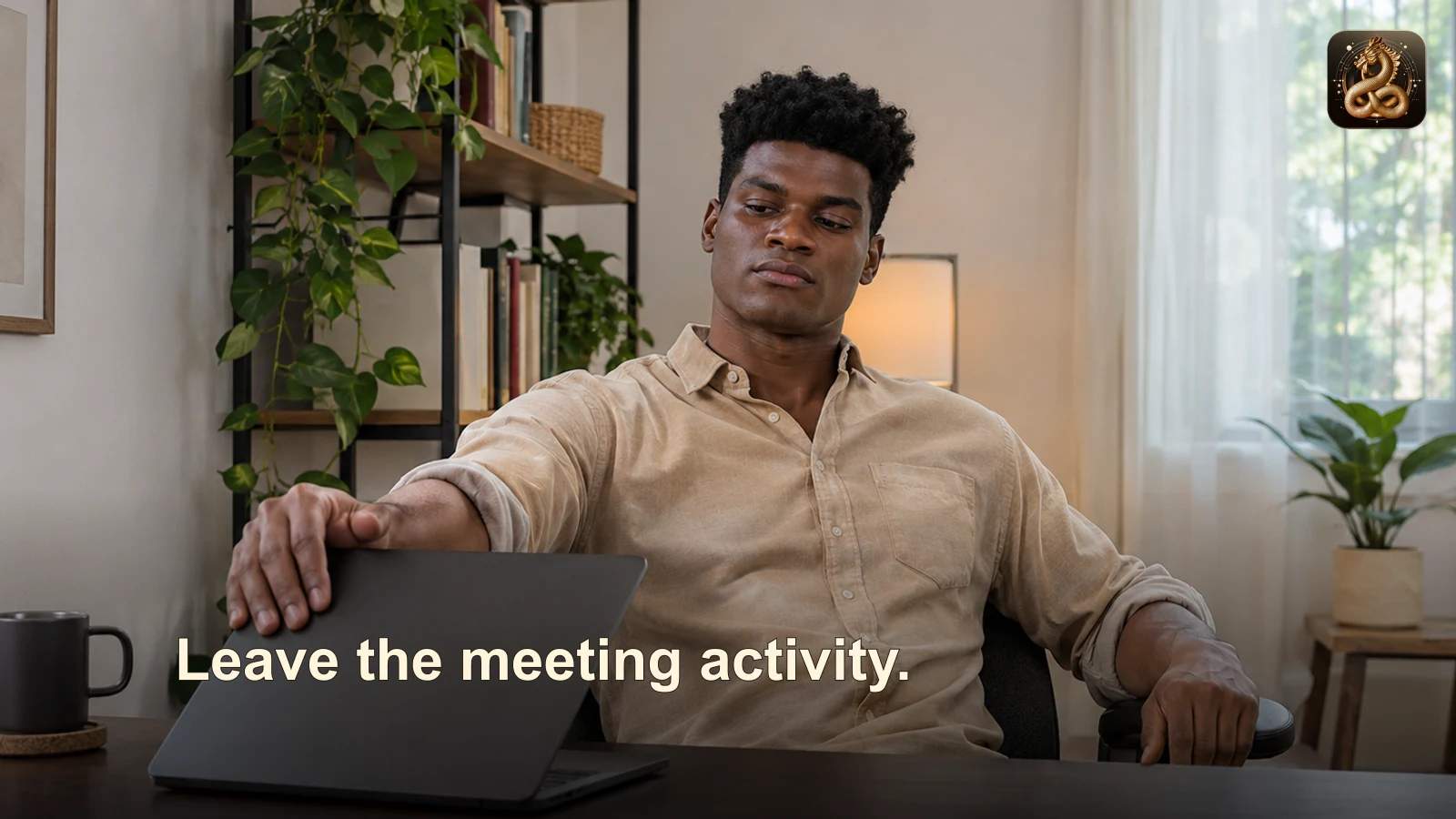
If practical, move attention away from the meeting window. You might turn the screen aside, sit in another chair or put a personal device on a stable surface. Keep the arrangement suitable for your setting and responsibilities. This guide does not require leaving a workplace or closing tools you must monitor.
Use only a device and connection arrangement you are allowed to use. Personal listening in a workplace may be subject to local expectations. Do not copy meeting material into a private app, play confidential recordings or share a screen to demonstrate your break.
Make audio routing ordinary and deliberate. If the same headphones or speaker will serve the next call, know where the player controls are and how to stop it. The aim is to keep personal listening and a conversation separate, not to change complicated device settings between meetings.
Select a recording that fits the actual interval
Read the description and duration, and preview when available. Choose something you want to hear without needing a long explanation or an additional activity afterward. A recording that invites movement or a sequence you do not understand may be inconvenient for a brief seated gap.
If the recording includes a long closing passage, account for it before you begin. You can select another item or plan to stop early where appropriate. Do not assume that the title's duration includes every introduction, continuation or next-track behaviour the player might present.
SoulFul GLO's headphones-or-speakers guide covers shared-room and equipment choices. Use it if you need to decide who will hear the sound. Agreement to a work call does not automatically mean that people in the room want to hear personal audio during the interval.
Keep volume comfortable and proportionate to the setting. Repeatedly raising playback to overcome nearby speech is not the purpose of the break. Another time or a quiet non-audio pause can be easier than making the recording compete with an active shared space.
Let listening be listening rather than rehearsal
Once the sound starts, choose something currently audible. You might follow a repeated phrase, a note fading or a quieter background layer. You do not need technical labels for it. Keep the task small enough that you can return when you notice attention has moved.
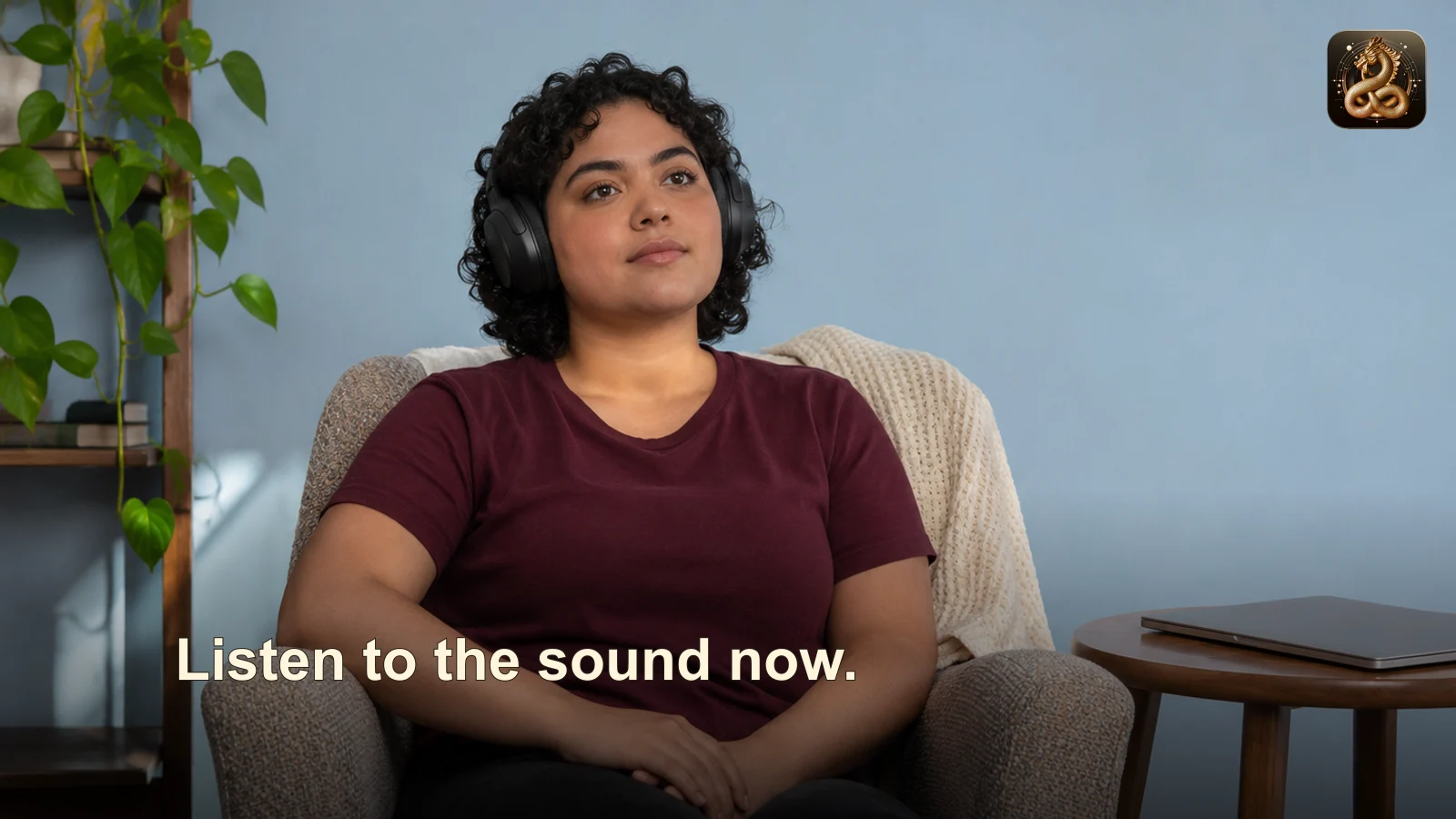
A thought about the next call may appear. You can acknowledge the thought and return to the recording if the practical preparation is already covered. If you remember something genuinely necessary, stop and deal with it. The plan is not a reason to suppress useful information or continue while worried about a missing task.
Do not use the recording to rehearse what someone else will say. It cannot establish another person's reaction, and an imagined conversation may simply become another planning activity. You can choose to prepare for the call instead, but make that a clear change of task.
You may feel much the same when the listening ends. This does not require a longer session or a second track. The purpose was to try an optional sound-based pause within the gap, not to produce a particular mood before you are allowed to speak with someone.
Return deliberately to the call
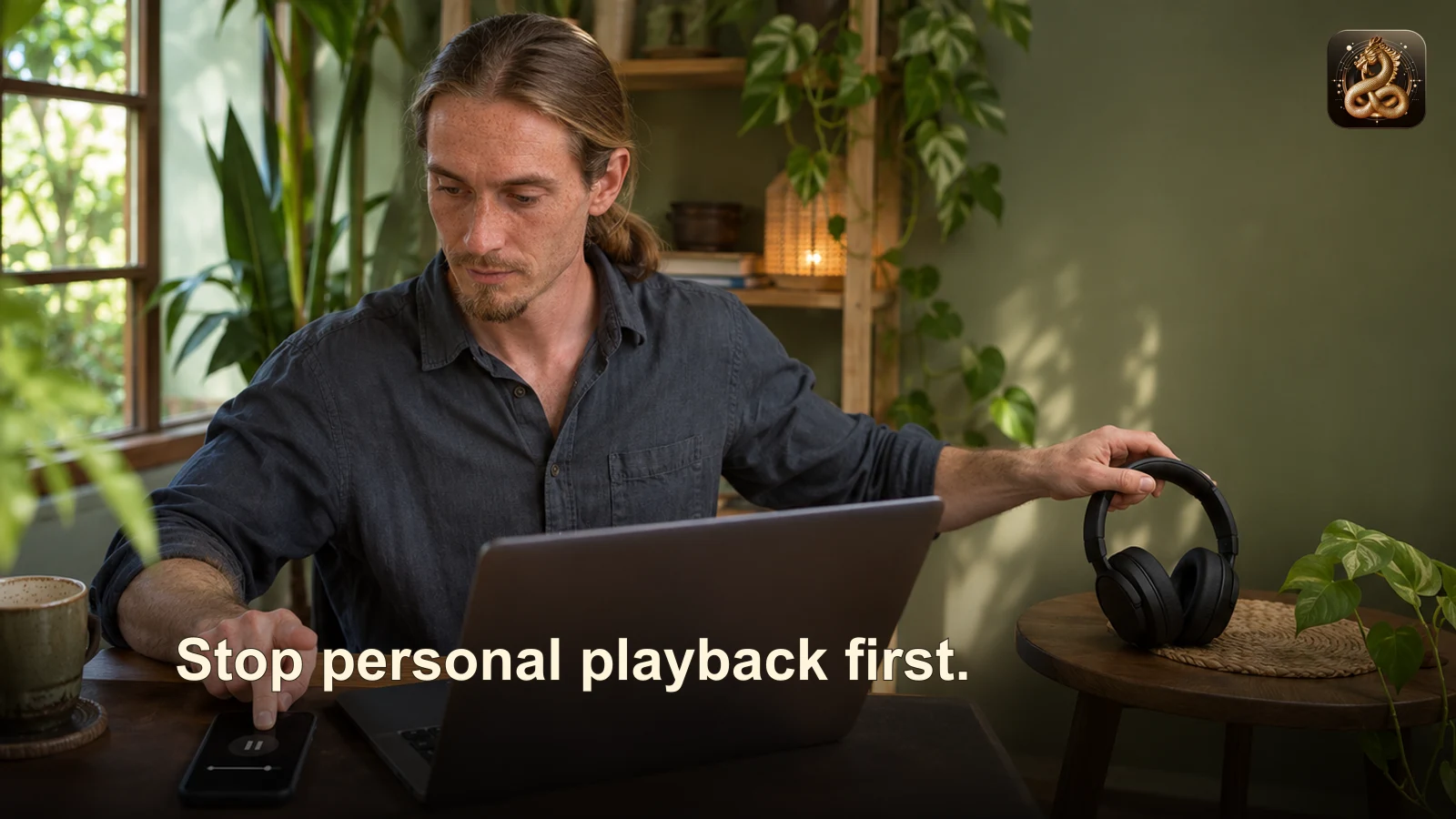
At the endpoint, stop playback and check the actual player. Remove or adjust headphones as needed, notice your surroundings and return to the meeting materials. If another item started, stop that too. Do not rely on closing an unrelated screen to end all audio.
Open the correct meeting route and confirm the relevant controls before joining. Keep personal recordings out of screen or audio sharing. This article cannot verify your platform's permissions or routing; use the provider's instructions if a setting is unclear.
A brief reconnection check can concern the actual task: correct meeting, correct time and required materials. It need not become an assessment of whether you feel focused enough. You can enter an ordinary conversation without demonstrating a successful meditation beforehand.
If the connection fails, handle the connection problem directly. Another sound journey will not resolve a missing meeting link or muted input. Keep that practical issue separate from how the break felt, and use the support route appropriate to the service.
If the schedule changes, finish the break as needed
A meeting may move earlier, another person may call or a household responsibility may interrupt. Stop the recording and attend to the situation. You do not owe the track its ending. If there is time later, make a fresh choice rather than treating the interrupted session as unfinished work.
If you miss the stopping cue, review the arrangement before trying it again. Check what the device actually did and whether the cue was noticeable. A vague promise to pay more attention next time is less useful than changing a timer, endpoint or listening choice you can verify.
SoulFul GLO's guide to ending meditation and returning to work addresses the broader transition into a task. This article keeps the appointment-specific parts explicit: scheduled start, reconnection and personal audio stopped before the conversation.
You can also decide that this type of gap is unsuitable for audio. The same recording might fit an unscheduled pause better. A practical boundary is not a verdict on the recording or on your ability to meditate.
Two fictional between-call arrangements
In this invented example, Anika finishes a group call and checks the next invitation. She has enough time for a short recording after preparing the document she will need. She chooses an endpoint that leaves room to reconnect, then sits in a chair away from the meeting screen.
A planning thought comes up during the sound. She remembers that the document is ready and returns to a fading note. At the endpoint she stops the player and opens the next meeting. Her mood is ordinary. The example illustrates a clear sequence, not evidence of improved performance or a health benefit.

In another fictional example, Tomas notices that his gap has shortened because the previous call ran late. He leaves the sound journey unopened, gets water and checks the next link. He may listen later. Choosing the shorter break is part of using the actual schedule rather than obeying the plan he made earlier.
Neither example tells you what your workplace permits or which device arrangement will work. Use your actual circumstances. You can borrow the sequence of checking, choosing, stopping and returning without copying a duration or expecting the same response.
Keep claims about the break modest
You may enjoy changing activity between conversations. A sound journey can offer an audible focus for a chosen pause. These possibilities do not establish better meeting performance, prevention of burnout or relief from a health condition. Personal fit and measured outcomes are different questions.
NCCIH's overview of meditation and mindfulness discusses varied practices, evidence limitations and possible unwanted experiences. It does not test this particular between-call routine. Keep health concerns with appropriate qualified care rather than using a short workplace listening arrangement as treatment.
After trying it, review the practical details if useful: did the endpoint fit, did playback stop and was the next call easy to reach? Change the setup if needed. You do not have to track a productivity score or turn the break into another daily performance target.
Frequently asked questions
Should I keep the sound playing when I join the call?
This plan separates the activities. Stop personal audio before returning and confirm the real player state. Background playback may distract you or be shared unexpectedly, depending on your setup. Use the actual platform guidance if you are unsure about routing.
How long should the sound journey be?
Choose from the interval left after preparation and reconnection. No universal duration is established here. A short recording, an early stop or a non-audio break can each fit a different schedule.
What if I do not feel calmer afterward?
You can return without a required emotional change. The listening break is optional and does not promise a mood result. If the experience is unwelcome or distressing, stop and choose a different arrangement or appropriate support.
Can I do this before every call?
Only if you actually want to and the time, responsibilities and setting permit it. A repeated schedule is not required. You can choose quiet, movement or direct preparation instead without losing the option to listen another day.
Choose a pause that leaves room to return
Explore SoulFul GLO's sound-journey overview when selecting an available recording. Let the next appointment set a real boundary, stop personal audio deliberately and return with the materials you need. A modest pause can remain part of the day without having to improve every part of it.