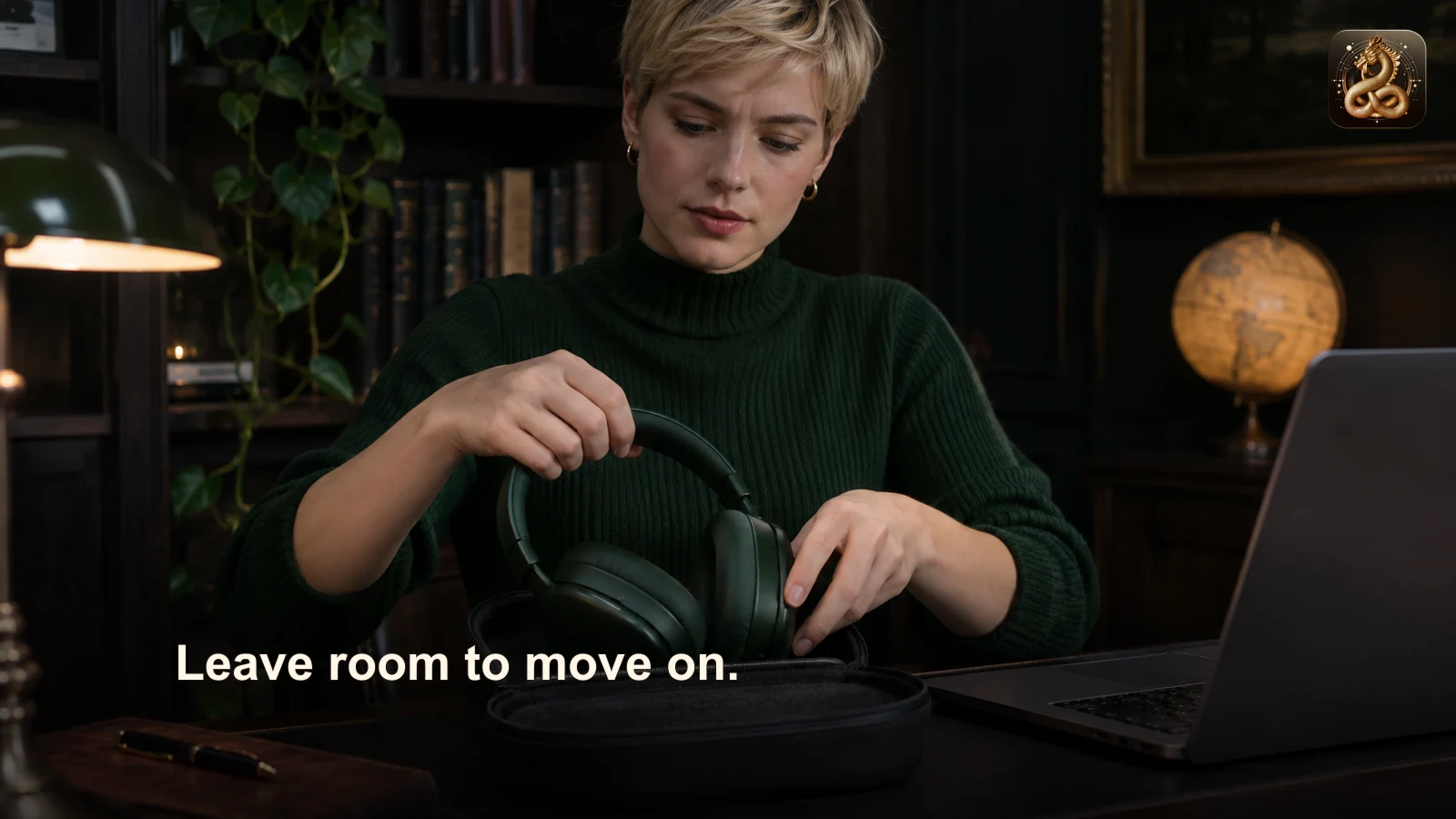
You have ten minutes before a call. A recording labelled “ten-minute sound journey” looks like an exact fit, until you count the time it takes to find your headphones, set the volume, and return to the call. With a shorter track, you can hear the ending and still have a minute to put things away. With a longer one, you can choose to listen to a portion if stopping halfway suits you.
Start with the gap you actually have. Decide when the audio needs to be off, then choose a recording that fits that boundary. You can use the same approach for a lunch break, the gap between appointments, or a few quiet minutes before leaving the house.
Quick answer
Set an end time that leaves enough room for what comes next. Subtract setup and transition time from the gap. If those steps take three minutes, choose a recording that runs for seven minutes or less. Check whether the stated duration includes spoken instructions or a closing section. If the track is longer than the available time, use an excerpt only if you are comfortable choosing your own stopping point.

Find the time you can actually use
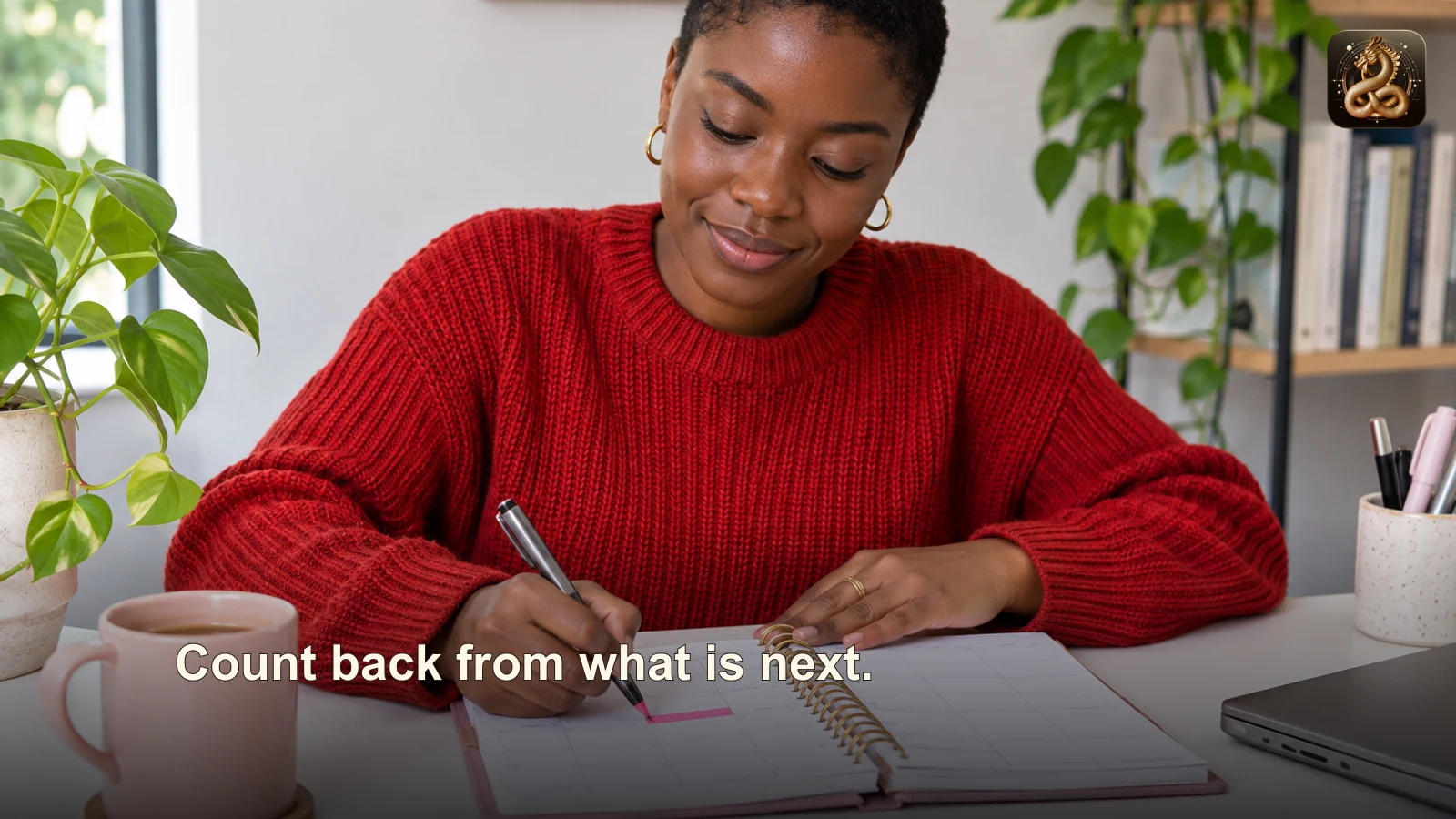
Count backward from the next thing you need to do. If the call begins at 2:00 and you want to be at the desk at 1:58, set 1:58 as the point when the audio should be off. If you start getting ready to listen at 1:50 and expect setup to take a minute, you have seven minutes of listening time. There is no need to use every second of it. A six-minute track would give you room to make an adjustment without checking the clock throughout.
What counts as transition time depends on the setting. At home, it might be the time to put your headphones away and open a laptop. In an office, it could include walking back from a quiet room. If you are using a shared space, leave enough time to return it to the way you found it. Include anything you would otherwise have to do in a rush.
Sometimes ten minutes is only an estimate. You may be waiting for someone to arrive, or a meeting may start as soon as a colleague calls you in. In that case, look for audio you would be comfortable pausing at any point. Keep the controls nearby and stay aware of the cue you are waiting for. A track with a long build and a closing you particularly want to hear may work better when your end time is fixed.
Check what the runtime includes
A listed duration describes the file or session. It may include a welcome, a period of sound, spoken guidance, and music after the last instruction. If you want several minutes of instrumental audio, a seven-minute file with a three-minute introduction may give you less listening time than you expected. A shorter instrumental recording could fit better.
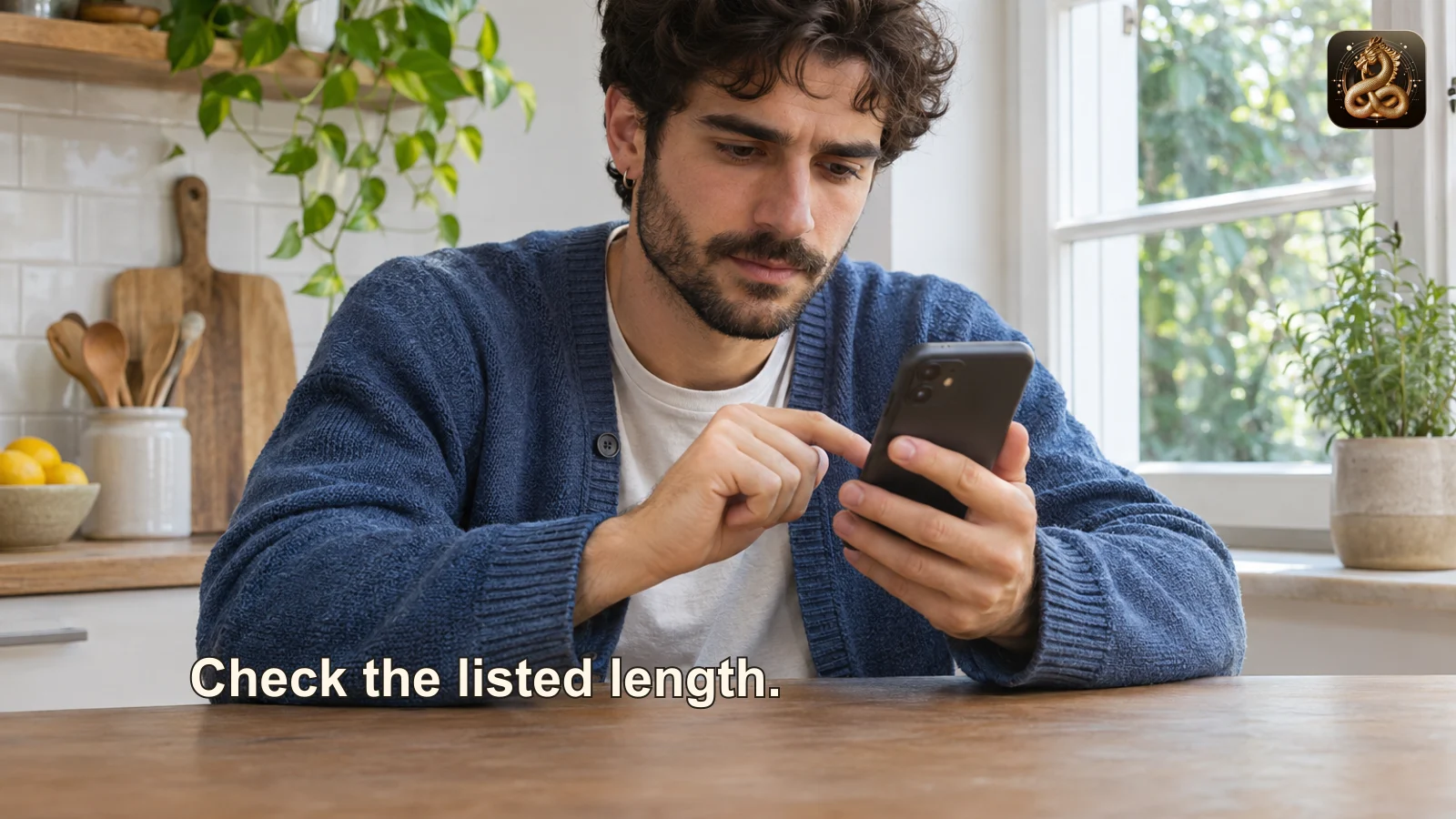
Read the description for a clue about how the track is structured. If it lists chapters, note which parts you would hear in your window. A preview can help if you have time to check it beforehand. If the listing offers little information, decide which uncertainty you can live with. You might be happy with a short track that begins with a voice, or you might choose a recording you already know.
Suppose there are two options. One lasts six minutes and starts with a brief welcome. The other lasts eight minutes and includes a longer closing. If you have seven minutes and want to hear the whole session, the first is the easier choice. If the second has the sound you want and you are happy to stop early, choose it as an excerpt. The decision comes down to what you want to hear in the time available.
Decide whether you want a complete track or an excerpt
A complete recording can be useful when you prefer an audible ending. A chime, a last spoken cue, or a fade can tell you when it is time to put the device away. To use that cue, choose a track shorter than the time you have and allow for the possibility that the sound trails off before the file ends. You can check whether the player starts another track automatically if you plan to use the recording's own ending.
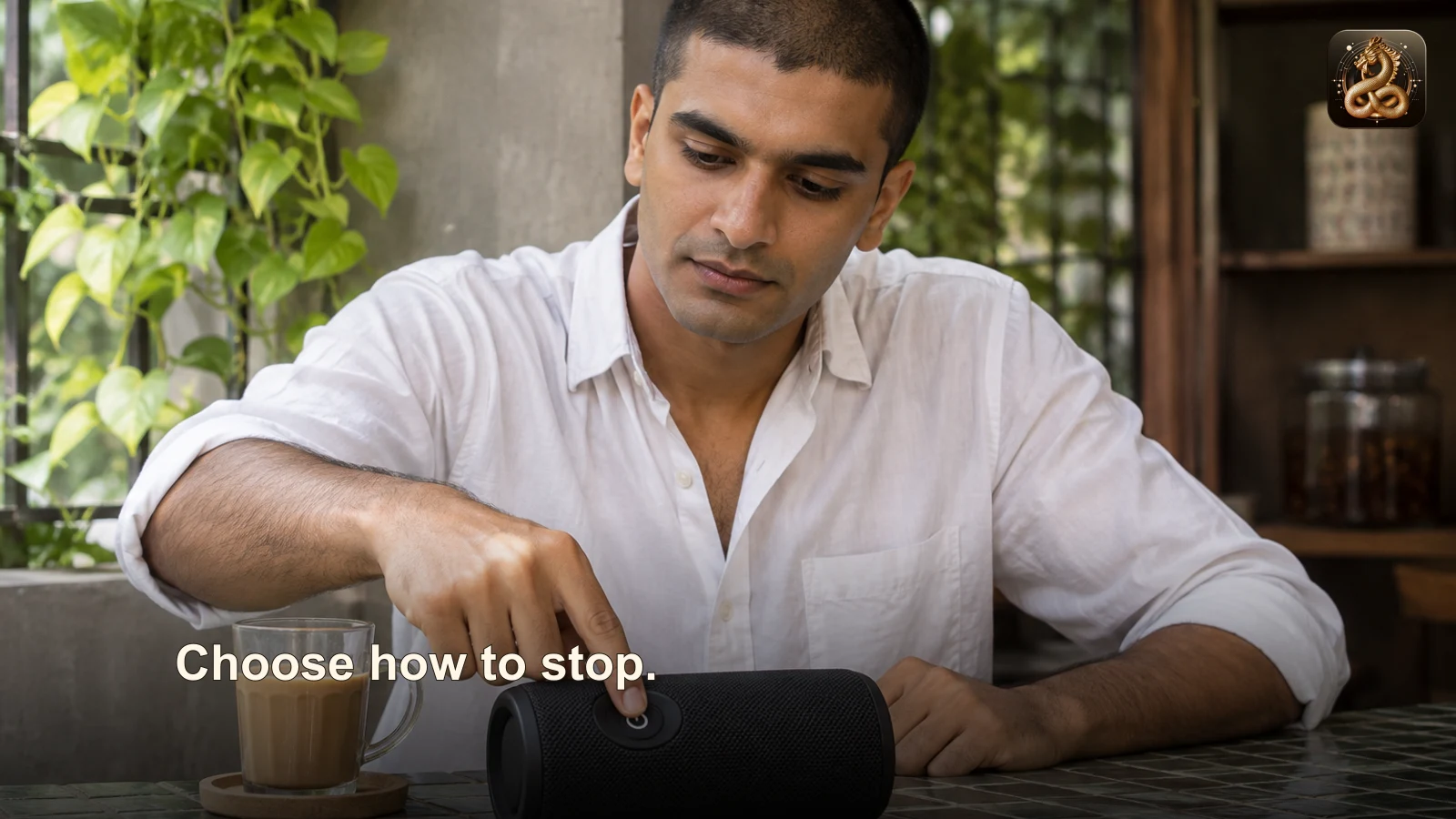
An excerpt can work when you mainly want a few minutes with a particular sound. Start where you can listen comfortably and choose how you will stop. You might set a quiet reminder, or you might pause at the next change in sound before the time you need to leave. If a spoken session asks you to follow a sequence through to the end and you want that full sequence, choose a shorter session instead of skipping sections to squeeze it in.
For a first try, choose the option that gives you fewer decisions after you press play. If you dislike stopping a recording midstream, a complete track gives you a clear boundary. If a shorter track is hard to find, an excerpt from familiar audio can work. You can pick a different arrangement another day.
Make the setup quick enough for the gap
If you already have a place to sit and a device ready to play, set it within reach. Start at a volume that is easy to listen to. You can keep your eyes open and let the room remain part of what you hear. In a shared space, use a listening arrangement that suits the people nearby and lets you respond to anything you need to notice.

If it takes several minutes to find a track, compare descriptions, or pair headphones, count those minutes as part of the gap. You can choose a familiar recording, listen through a setup you already know, or leave the audio for later. It is reasonable to choose a short pause without a recording when the setup would take most of your time.
For a break that comes up regularly, save the name of one track that fits. Note its length and anything that surprised you, such as a long introduction. That small note may help you choose on another day. It can be as simple as “six minutes, music starts promptly.” There is no need to build a playlist for every kind of break.
Try it in two ordinary situations
Imagine you finish lunch at 12:40 and need to leave the house at 12:50. You want to put on your shoes and check your bag at 12:48. After a minute to sit down and find the track, you have seven minutes. A five-minute sound journey begins with a short voice introduction and ends with a clear fade. You let the recording finish, put your headphones away, and have time to get to the door without rushing.
Now imagine you are at home between two meetings. You have about ten minutes, but a colleague may call early. You choose a familiar track that is longer than the gap because you like its opening and can pause easily. You keep the phone nearby with the sound low enough to notice the call. After a few minutes, you hear the call come through and stop the track. The choice worked because you expected an interruption and had a clear way to respond.
In both situations, the length matters only in relation to what you need to do next. A complete five-minute track can suit a firm deadline. An excerpt can suit an uncertain one. If you notice that you keep thinking about the next appointment, give yourself more time between the end of the audio and the appointment on another day.
Keep track of what made the break fit
After the session, you may remember that the music started right away, that the introduction took longer than you wanted, or that the ending was hard to hear over sounds in the room. These details are more useful for choosing a recording next time than a general rating. They tell you whether the track fit the window and what you would change about the setup.
If the same gap occurs on several days, give yourself one dependable option. You might save a recording that starts with sound and ends in six minutes, then keep a second option for days when you have less time. Use a name you can recognise in your own list. There is little reason to spend a short break browsing unless choosing new music is itself something you enjoy.
If you stopped early and had time to spare, you can leave that time free. Get a drink, notice the room, or sit a little longer without sound. A gap can serve you even when the recording occupies only part of it.
Frequently asked questions
Is five minutes enough for a sound journey?
Five minutes can be enough if you want a brief listening pause. Choose audio that gives you something you want to hear within that span. A recording with a long introduction may fit less well than a shorter track that starts promptly. Decide whether you want to hear the whole recording or simply listen for a few minutes.
What if I have ten minutes and the track is exactly ten minutes?
You can play it through if you have already set up and have time after it ends. If you need the sound off before another commitment, leave a buffer or choose a stopping point before the end. The file length cannot account for getting the device ready or returning to what you were doing.
Should I use a timer?
Use one if it would let you put the clock out of mind. Set it for the point when you want to stop listening, leaving the transition time outside it. Pick a cue you will notice without turning the reminder into a distraction. A familiar recording with a clear ending may give you the same boundary.
What if the only recording I like is longer?
Decide whether you are happy to listen to part of it. If you particularly want its closing section, save it for a time when you can hear the whole thing. You can also keep a shorter recording available for breaks. It can have a different sound or style and still suit the same purpose.
Choose one track for your next short break
Look at the next gap you can use. Work backward from the time you need to be ready, leave room for setup, and choose either a complete track or a portion you are comfortable stopping. When the sound ends, notice whether you had enough time to put the device down and move on. Adjust the duration next time if you need to.