
You have put a pencil and a sheet of paper on the table, but your attention is still with the messages you were reading. You would like a small change of activity before making a few marks. A short sound journey can be one optional way to spend that interval. The drawing can remain an ordinary pastime, with no promise that listening will improve it.
Keep the two activities distinct. First you listen to an existing recording; then you decide whether you want to draw. You do not need to translate sounds into shapes, follow a spiritual image or wait for inspiration. This guide offers a practical arrangement for a personal session, rather than art therapy, a drawing lesson or a method for producing a creative state.
Quick answer
Set out one familiar drawing material and choose a listening period that leaves time for the drawing itself. Use an existing sound journey at a comfortable volume, with controls within reach. Follow an audible detail when you want an attention anchor. Stop playback before drawing, notice the table and begin with a mark you can make now. You can also skip the audio and draw directly.
A useful intention is simply, “I will listen for a little while, then see whether I want to draw this cup.” It names two actions you can choose. It does not turn the sound into a necessary preparation or make the quality of your drawing a test of whether meditation worked.
Give the drawing a small, ordinary beginning
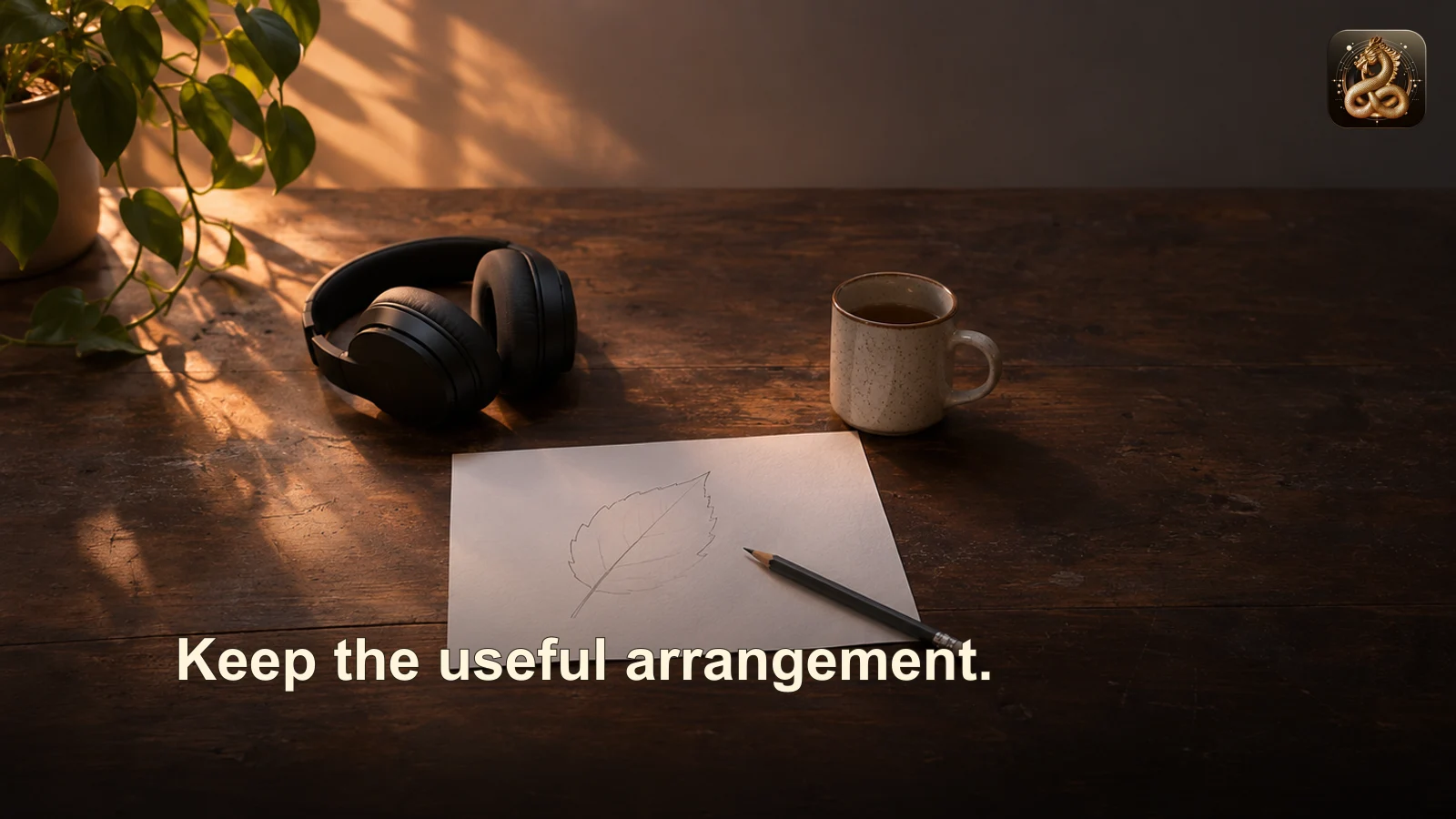
Choose a task whose first action is clear. You might draw the outline of a leaf, make a few lines from a mug handle or fill a small area with marks. Use something you already have permission to observe. Avoid adding a difficult project just because the listening period feels like a special introduction.
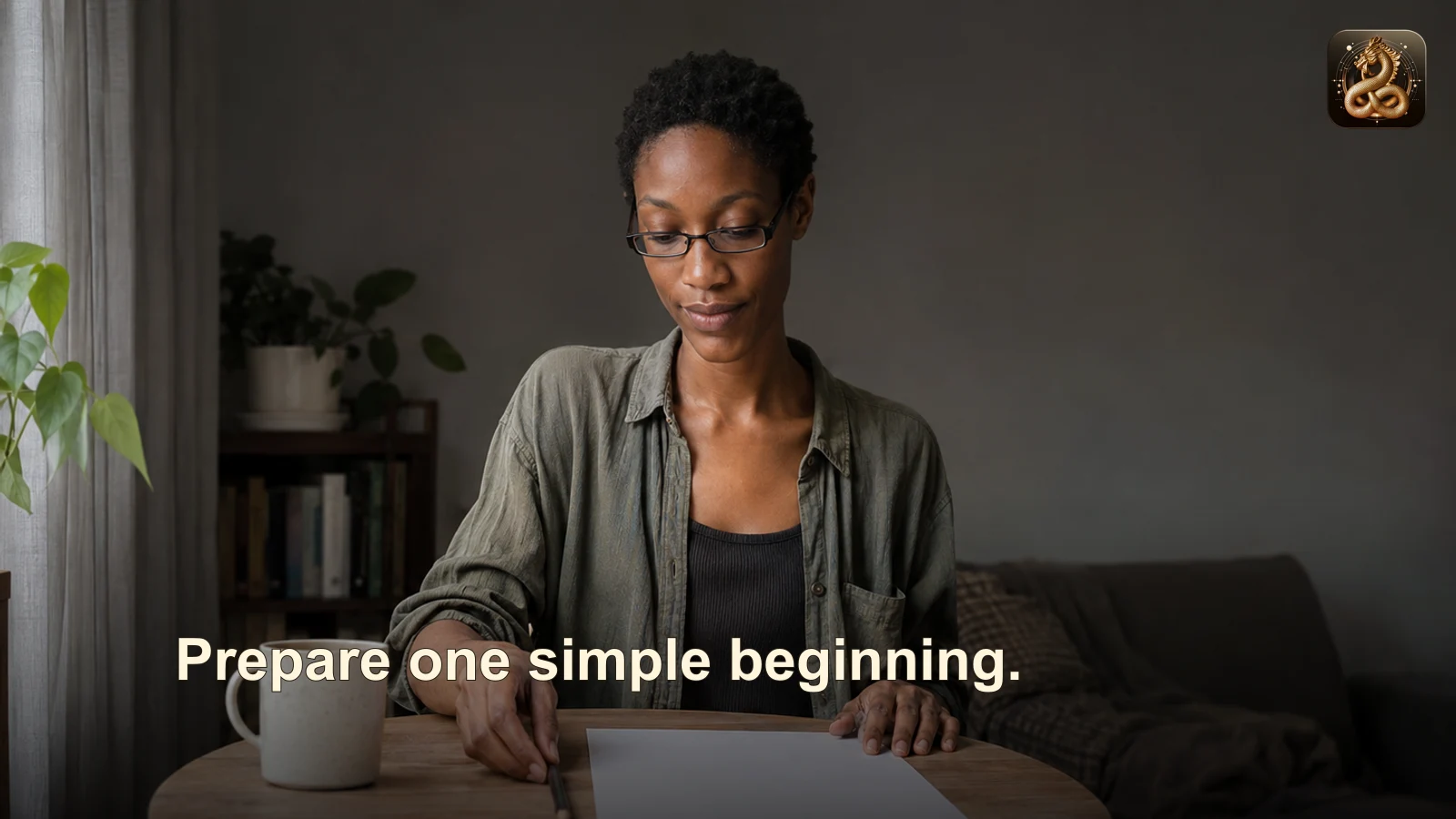
Put the required materials where you can reach them after listening. One pencil and a sheet are enough for the arrangement described here. You do not need new equipment, a beautiful notebook or a finished subject before you begin. Leaving a simple starting point on the table can save you from browsing for ideas immediately after playback.
Keep the listening place practical too. A chair near the table can work if that is comfortable. You can use a different seat and move afterward. There is no reason to hold a drawing tool while trying to listen or to keep your body unusually still so that the transition appears seamless.
If the drawing needs sustained care, sharp tools or specialist instruction, complete those preparations separately. This guide concerns ordinary personal drawing with familiar materials. A listening exercise does not establish readiness for work involving equipment, and you should finish playback before a task that requires your full attention.
Decide how much of the available time belongs to listening
Start with the time you actually have. If a free period is short, using most of it to choose and play audio may leave no drawing time. Consider listening briefly or beginning the drawing without audio. A sound journey is an option within the occasion, not an extra task that must be completed first.
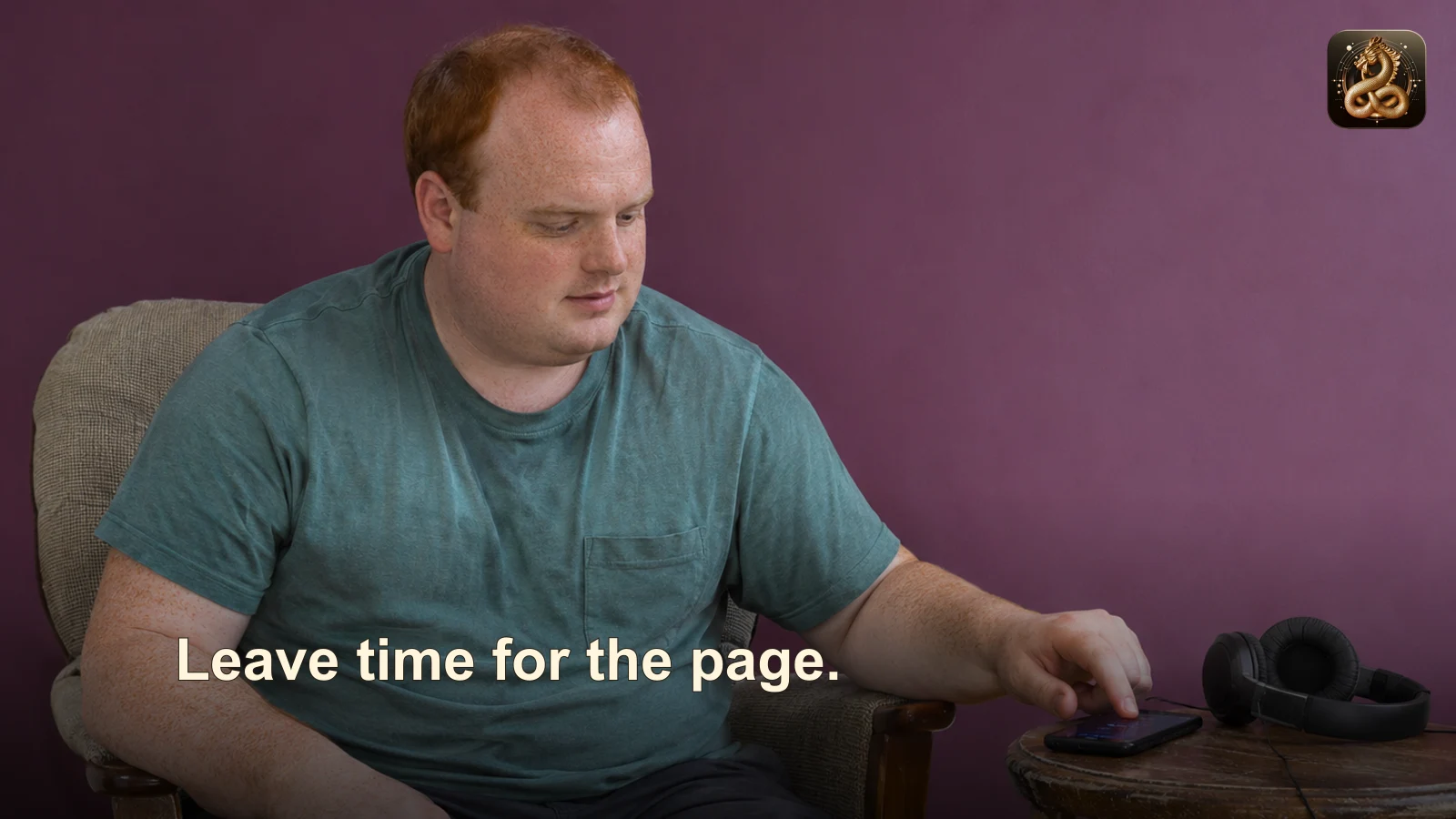
Check the actual recording duration and available controls. If the player lets you stop at a point you choose, decide on an ordinary endpoint you can recognise. You might use one short recording or stop after a portion. A selected duration is a scheduling choice here, not a proven dose for creativity.
Allow time to put the device down, move if needed and arrange the paper. You may find that a minute spent opening the page is more useful than another minute of listening. Keep the plan adjustable rather than chasing an exact division between meditation and drawing.
For a short-window selection question, read SoulFul GLO's guide to choosing a sound journey when you only have ten minutes. That guide addresses available listening time; this session adds a specific next activity. The drawing need not be squeezed into whatever remains after an unexpectedly long recording.
Choose sound for listening rather than for a promised result
Read the description and use an available preview. Decide whether you want speech, instrumental sound or another clearly described arrangement. Choose a recording you are willing to listen to on its own terms. A title mentioning creativity does not establish that it will generate ideas or make marks easier.
You can use familiar sound without requiring the previous experience to return. You might hear a repeating tone, a phrase or the fading of a note. The useful selection question is whether this is something you want to attend to now. You do not need to identify its instrument or explain why you chose it.
When the choice is between ordinary music and a sound journey, SoulFul GLO's guide to choosing the listening task can help you distinguish the activities. Enjoying a favourite song and using a recording as a meditation anchor can both be personal choices. Neither is a prerequisite for drawing.
Do not spend the whole interval looking for the perfect track. Preview one available option, make a choice and keep the alternative of drawing directly. A long selection process can become another delay between you and a pastime you wanted to try.
Keep the listening period separate from planning the picture
Once the recording begins, follow something currently audible. Notice a note starting, a repeated sound or a change you can comfortably hear. When the drawing plan takes over, you can notice that and return to the current sound if you still want to listen. No count of returns is needed.
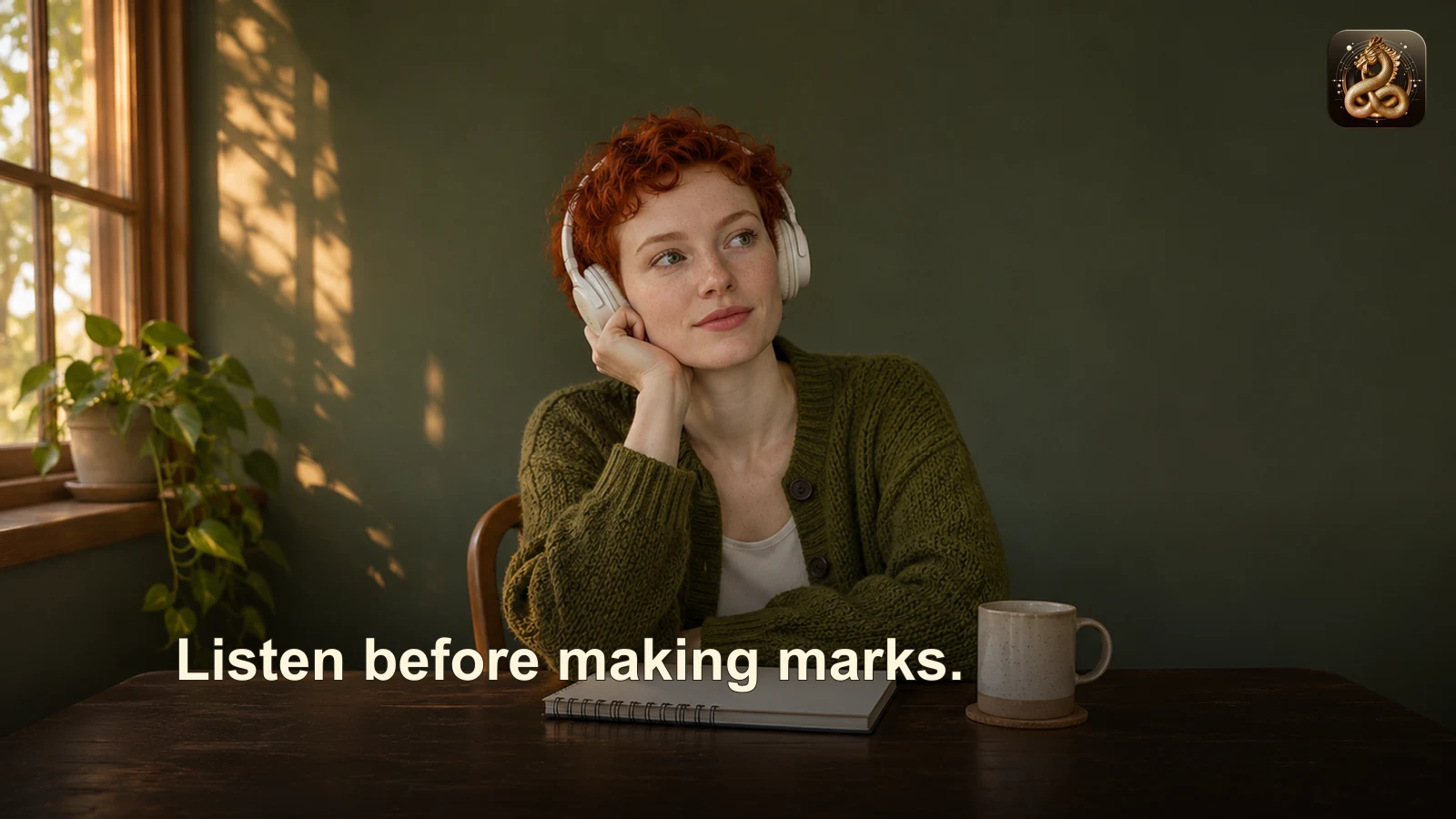
An idea may arrive, or none may. You do not have to hold an image in mind, choose colours while listening or turn every sound into a symbol. Those would be different creative exercises. This arrangement leaves you free to hear the recording without also producing a design.
If an idea seems worth keeping, you can pause and make a short note, then decide what activity you want next. There is no obligation to preserve an uninterrupted session. Equally, you can let an ordinary thought pass without worrying that you have lost the only useful idea of the day.
Keep breathing natural and your surroundings available. If the sound is uncomfortable, the setting changes or something needs your attention, stop. Continuing until you feel inspired is not required. A simple listening period can end with much the same mood in which it began.
Stop the recording before returning to the page
At your endpoint, stop playback deliberately and check that another item has not begun. Remove headphones if used, look at the table and give yourself enough time to move comfortably. You can decide against drawing at this point. The existence of the prepared materials does not create an obligation.
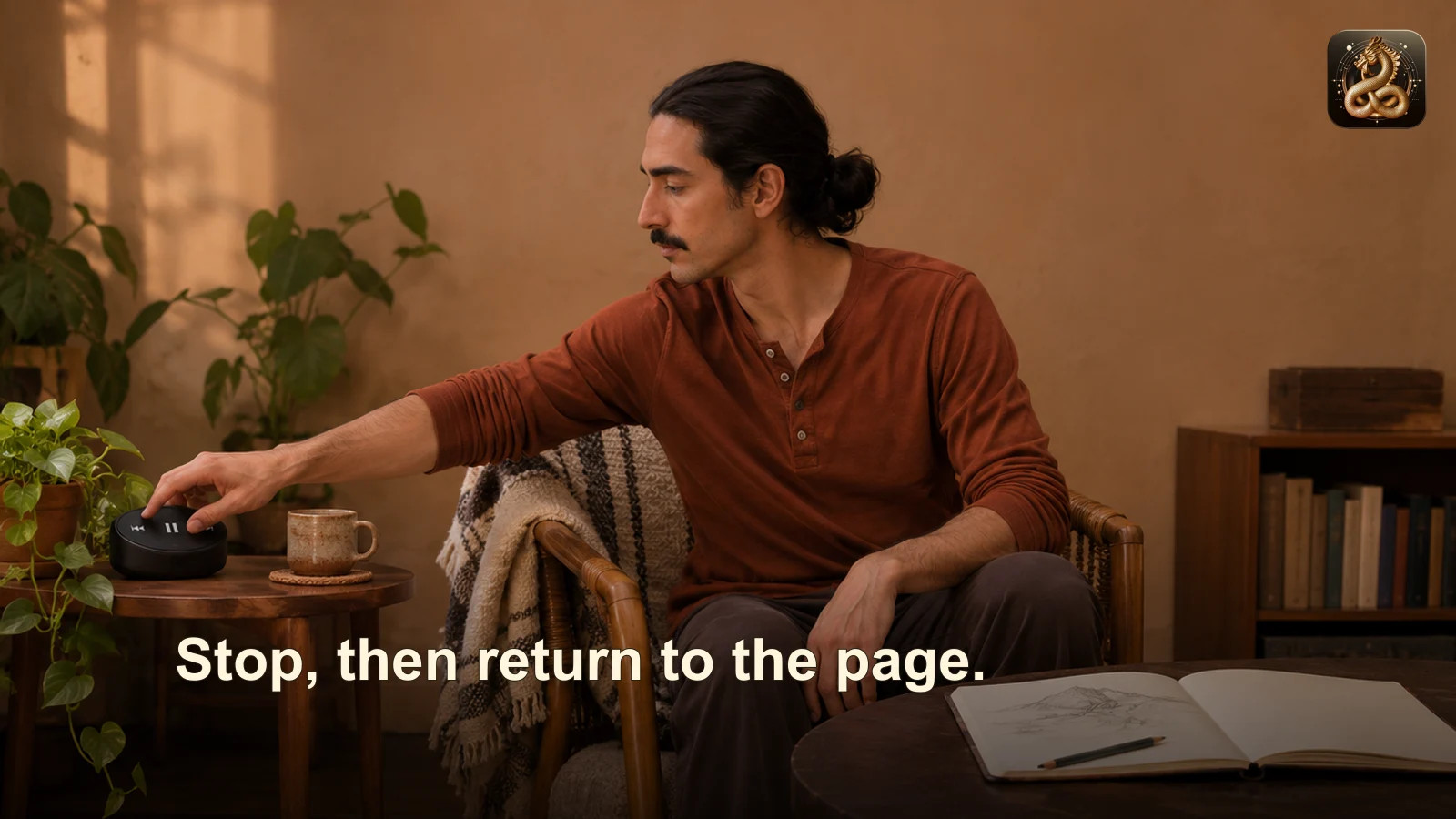
If you do draw, begin from the task you chose rather than evaluating your state first. Look at the cup, locate one edge and make a line. The line can be uncertain, changed or left unfinished. You do not need to feel calm enough, empty your mind or prove that the preparation had an effect.
Keep the audio stopped for this first part if your intention was to separate listening and drawing. Later you may choose to draw with background sound, but that is a fresh arrangement. Do not treat listening as the main activity and drawing as something your hands must do automatically alongside it.
A short observation after starting can stay practical: the paper was ready, the endpoint left enough time, or choosing a track took too long. Those details can help you plan another occasion. They do not require a judgement about artistic ability or a score for the meditation.
Keep practical access in mind when putting things away. A saved recording may need an internet connection, and a bookmarked title is not proof that it will play offline. If you want to repeat the arrangement somewhere else, check the actual recording and materials there. The setup that worked at this table may not fit a shared room or a shorter break.
Two fictional ways the arrangement might work
In this invented example, Mira has a short afternoon at home and wants to draw the uneven outline of a small plant. She places paper and a pencil on the table before choosing a familiar recording. She decides to listen briefly, then stop while there is still time to look closely at the leaves.
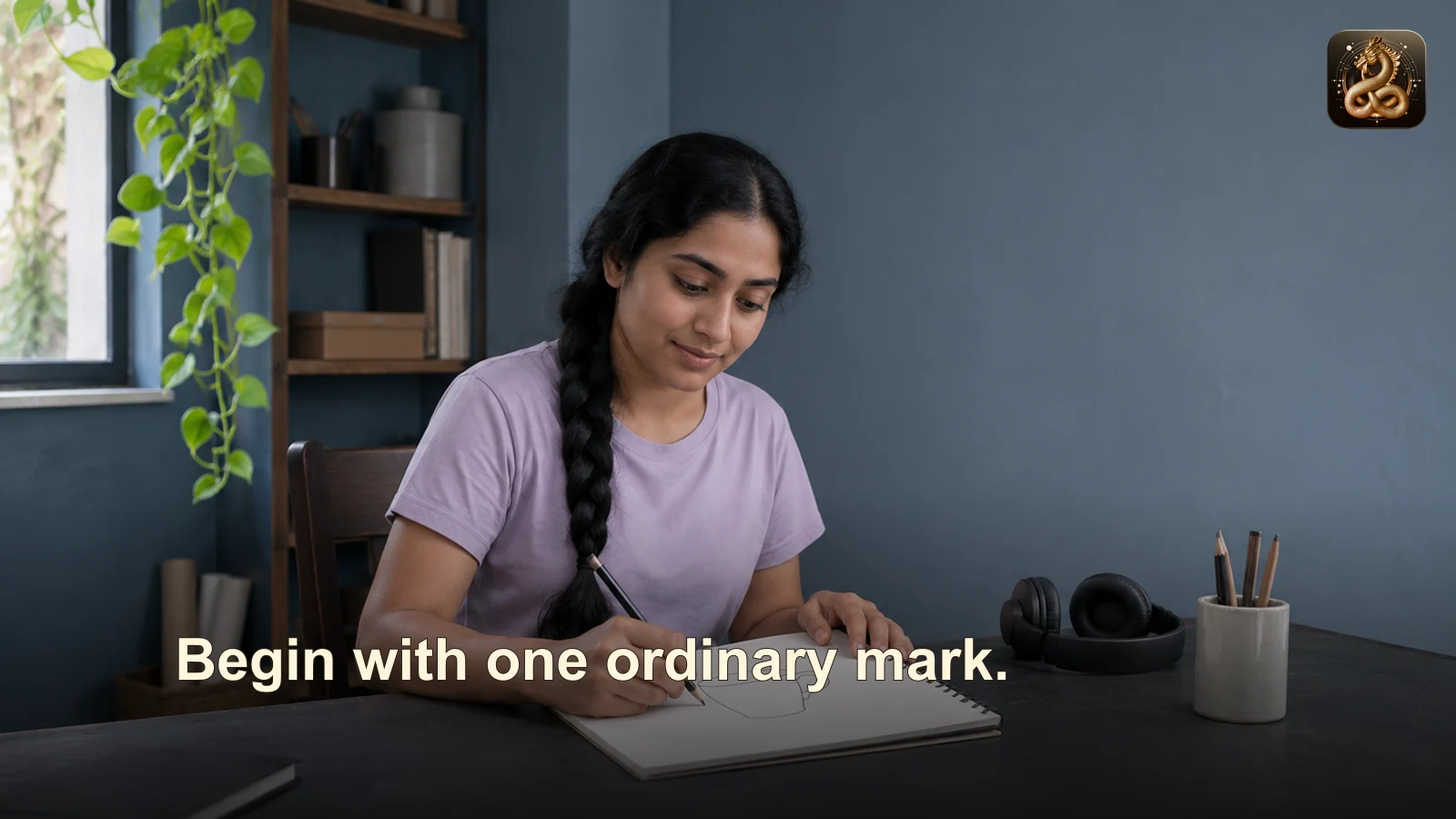
During playback she thinks about shading. She notices the planning and returns to a fading sound. After stopping, she looks at the plant and draws one stem. The result remains a rough sketch. Nothing in the example establishes that listening improved it; the arrangement simply gave the two activities a clear order.
In another fictional example, Joel opens a sound journey and realises he would rather begin drawing immediately. He stops the preview and picks up his pencil. The next day he might make a different choice. He does not owe himself a replacement meditation because the first plan changed.
Neither example represents an actual customer or an observed benefit. They illustrate decisions the reader can make about time, attention and the next action. You can borrow the structure without comparing your drawing or internal experience with either invented person.
Leave creativity and health claims out of the assessment
You might enjoy having a listening pause before drawing. You might prefer starting straight away. Both are useful preferences to notice. A pleasant transition does not establish increased creativity, better concentration, reduced anxiety or a special connection between a sound and a particular artistic style.
NCCIH's overview of meditation and mindfulness describes varied practices, research limitations and possible unwanted experiences. That overview does not test this particular listening-and-drawing arrangement. Keep any conclusions proportionate to what happened, and do not use optional meditation to replace appropriate medical or mental health care.
If the session becomes distressing, finish and respond to what you need. You do not have to express the experience in a drawing or search for a hidden message in the marks. A personal pastime can remain ordinary and optional, including the option to put the materials away.
Frequently asked questions
Should I draw what the sound makes me imagine?
Only if you independently want that creative activity. It is not required by this arrangement. You can listen without forming an image and then draw an ordinary object. Do not treat the picture as evidence about your health, personality or what the recording means.
Must the recording finish before I draw?
Choose an endpoint that suits your available time and the actual player. You can stop early. This plan separates the listening period from drawing, so stop playback deliberately before changing tasks rather than letting a longer queue continue unnoticed.
What if I feel no more inspired afterward?
Start with the practical mark you chose, or leave the drawing for another time. The listening period does not promise inspiration. A neutral response is not a failed session, and the drawing does not need to be better than your usual work.
Can I skip the sound journey?
Yes. Put the pencil on the page directly if that is what you want. You can enjoy drawing without meditation, and you can listen without producing anything afterward. Pairing them is a personal scheduling choice rather than a requirement.
Choose a workable beginning for another occasion
Explore SoulFul GLO's sound-journey overview when considering another recording. Choose one you actually want to hear, leave time for the activity afterward and keep the first drawing action simple. The value of this plan is the arrangement you can try, not an outcome you have to produce.