
You close a novel, but a conversation between its characters is still running through your thoughts. You would like to sit for a little while before starting another activity. An existing sound journey can give that interval a listening focus. It does not need to remove the story, settle what it meant or make you ready for the next chapter.
This is a practical arrangement for an optional pause after ordinary personal reading. It is different from analysing a book, writing a reading journal or using audio while reading. You can keep enjoying the story and still listen to a sound now. The two experiences need not compete for a final place in your attention.
Quick answer
Mark your place, put the book somewhere you can find it and decide whether you want a listening pause. Choose an existing sound journey you can preview and stop. Follow a current audible detail when you notice that attention has returned to the story. Let remembered scenes remain remembered scenes. At the endpoint, stop playback and decide what you want to do next.
You can also remain with the book in silence, return to the page or finish the break altogether. A sound journey is one option for the transition. There is no requirement to erase thoughts before listening, recover every plot detail afterward or interpret the sound as an extension of the author's work.
Finish the reading action before starting the player
Start by deciding where the reading stops for now. A chapter ending can be convenient, but any point you can locate again may do. Use a bookmark, a page reference or the actual place-saving option your reading device supplies. Do not assume that closing a screen always preserves the exact point.

Put the book or device down deliberately. If the same device will play the recording, make sure you know how to return to the text. You need not copy a long passage, reconstruct a plot summary or write a personal response before leaving it. Those would be separate reading activities.
If a sentence remains uncertain, leave that uncertainty in the book rather than resolving it through a listening exercise. You can reread later. The recording cannot establish what an author intended, confirm a character's motive or supply missing context from a page you skipped.
There may be a practical reason to keep reading instead. You might want to finish a short exchange before putting the book aside. Make that ordinary choice consciously rather than treating the listening period as a rule that starts whenever a timer or chapter number says so.
Choose whether a sound-based pause is what you want
Ask what activity you want now. Perhaps you want to hear something without following another spoken story. Perhaps quiet suits you better. You can choose instrumental or otherwise clearly described sound when available, but do not infer content from a peaceful title or a photograph on a cover.
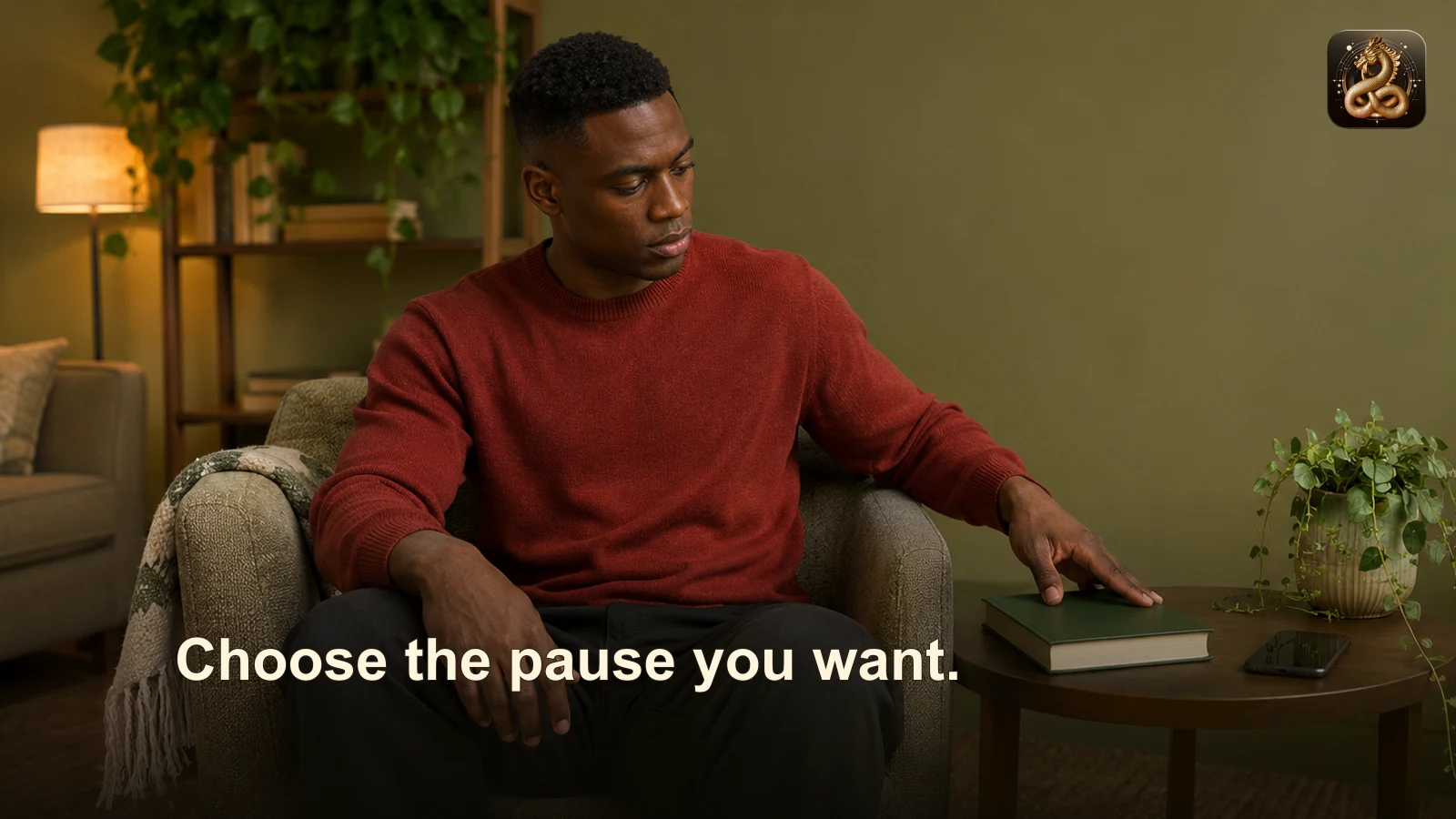
Read the actual recording description and use a preview if supplied. Check whether there are voices, instructions or noticeable changes in the sound. The purpose of previewing is to choose an activity you want, not to find a track that promises to undo the effect of the chapter.
A familiar recording can be convenient because you already know something about it. Familiarity does not guarantee the same response. A new recording is not necessarily more suitable because you have just finished a new story. Use your current preference and the information available.
For a broader choice between kinds of listening, explore SoulFul GLO's guide to a favourite song or a sound journey. It separates enjoyment of a song from an attention task. The present arrangement concerns when you listen, after putting the reading aside, rather than proving that one format is better.
Give the listening period its own small boundary
Choose a duration that fits the rest of your day. You might use one short recording or stop at a point you choose with the actual player. Leave time to finish playback, look around and attend to the next activity. No particular length is established here as a way to process fiction.
Keep controls easy to reach. If another track may start, check the real queue or autoplay arrangement before relying on the end of the item. SoulFul GLO's guide to checking whether another sound journey will start covers that separate playback question in more detail.
Make the setting ordinary and suitable for a pause. You can remain in your reading chair if it is comfortable or move somewhere else. There is no need to reproduce a place from the book, light a special scene or make the surroundings match the recording's imagery.
Do not start while moving through a setting that needs your full attention. This guide concerns a settled personal break. If the next task calls you sooner than expected, stopping early is a complete choice. The book and recording do not create competing obligations you must finish in a particular order.
Let the story come to mind without turning listening into analysis
When playback begins, notice a sound you can currently hear. It may arrive and fade, repeat or change. You do not need an instrument name or a technical account of the recording. Pick an audible detail simple enough to recognise when you want to return.
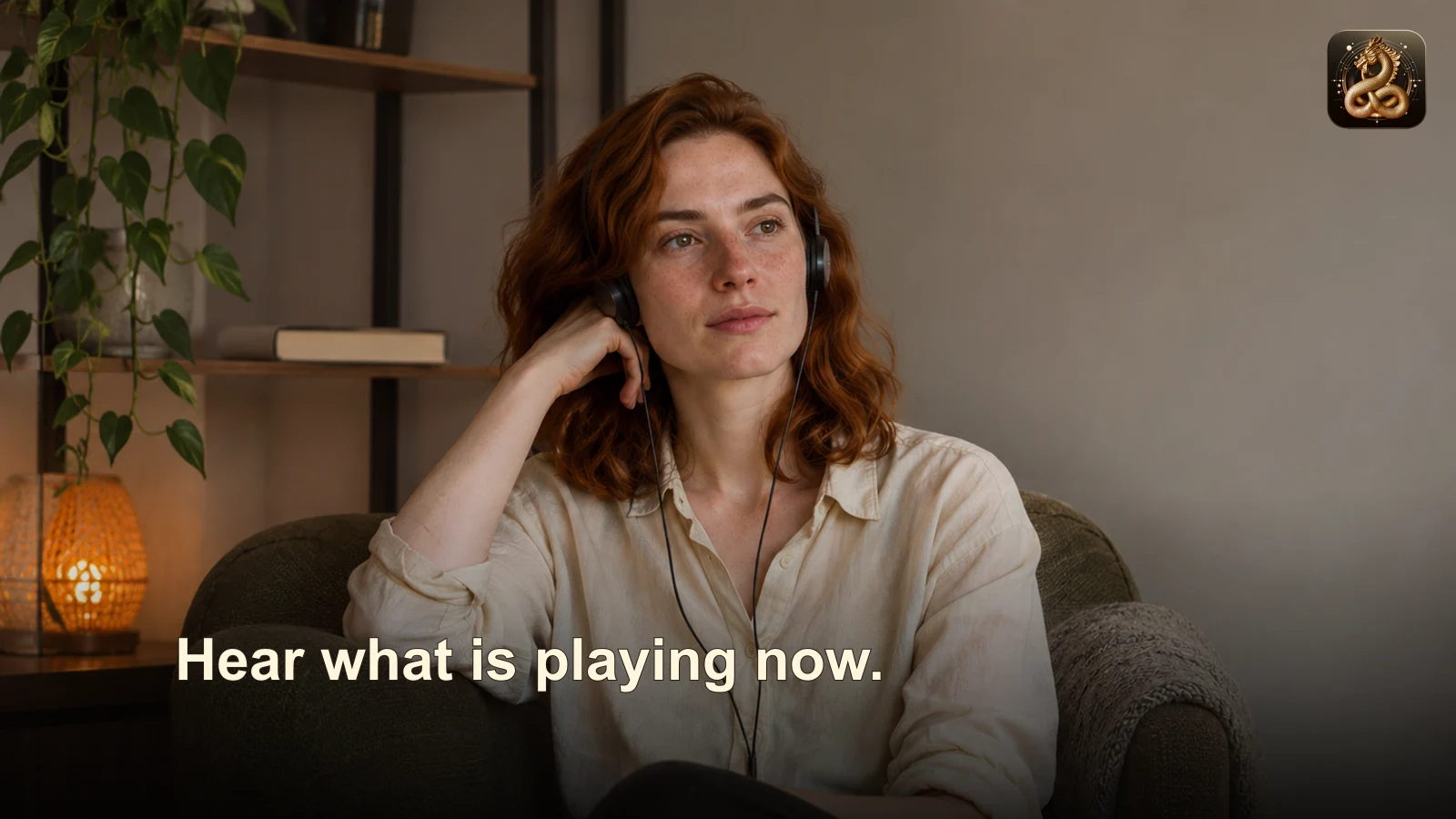
A remembered line, a scene or a question about the ending may appear. You can notice that your attention has moved and return to the present sound. The story need not disappear first. Repeated returns do not show that the novel was too absorbing or that the listening session is failing.
Avoid making each sound stand for a character or event unless you deliberately choose a separate creative exercise. This arrangement does not ask the recording to score the novel. Keeping those tasks apart leaves more room to hear the actual sound without repeatedly checking whether it matches a remembered scene.
If you want to think about the book instead, stop the recording. You can sit with the question or return to the page. There is no need to keep audio running as evidence that you are taking a pause. A chosen reading reflection is a different activity, and you can prefer it.
Keep a useful book note separate when you need one
Sometimes one practical note would make returning easier. You might write the page number or a short question to revisit. Keep it specific and brief enough that it serves your reading. A note such as “reread the conversation at the station” can be more useful than reconstructing the whole chapter.
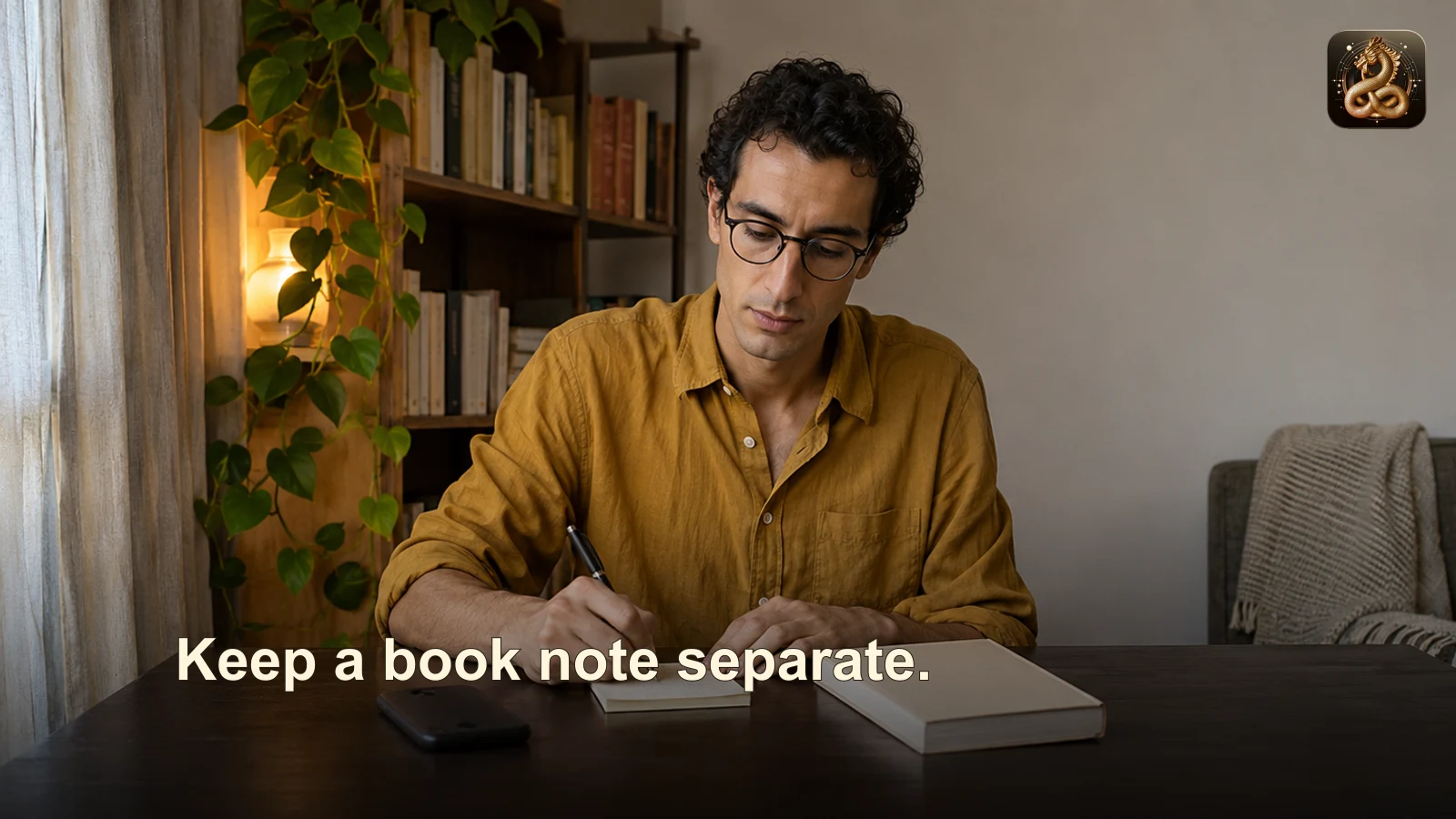
If you quote, distinguish the book's wording from your response. If you paraphrase, do not make your interpretation appear to be an exact sentence from the text. You can leave a question unanswered without deciding that listening will provide the answer.
For a separate writing activity, SoulFul GLO's reading-journal guide explains how to keep a passage and your response distinct. You need not create an entry for this listening pause. Use that guide only if writing about the book is something you independently want.
Keep personal notes and borrowed material in their appropriate places. This article does not ask you to publish passages, send book photographs or share a private reaction. The pause can remain entirely personal, including the choice not to record anything about it.
Stop when the pause no longer fits
If the recording becomes uncomfortable or you would rather hear quiet, stop it. A title or description cannot require you to feel restful. You do not need to persist until a preferred passage arrives, and you do not need to explain your choice through the content of the book.
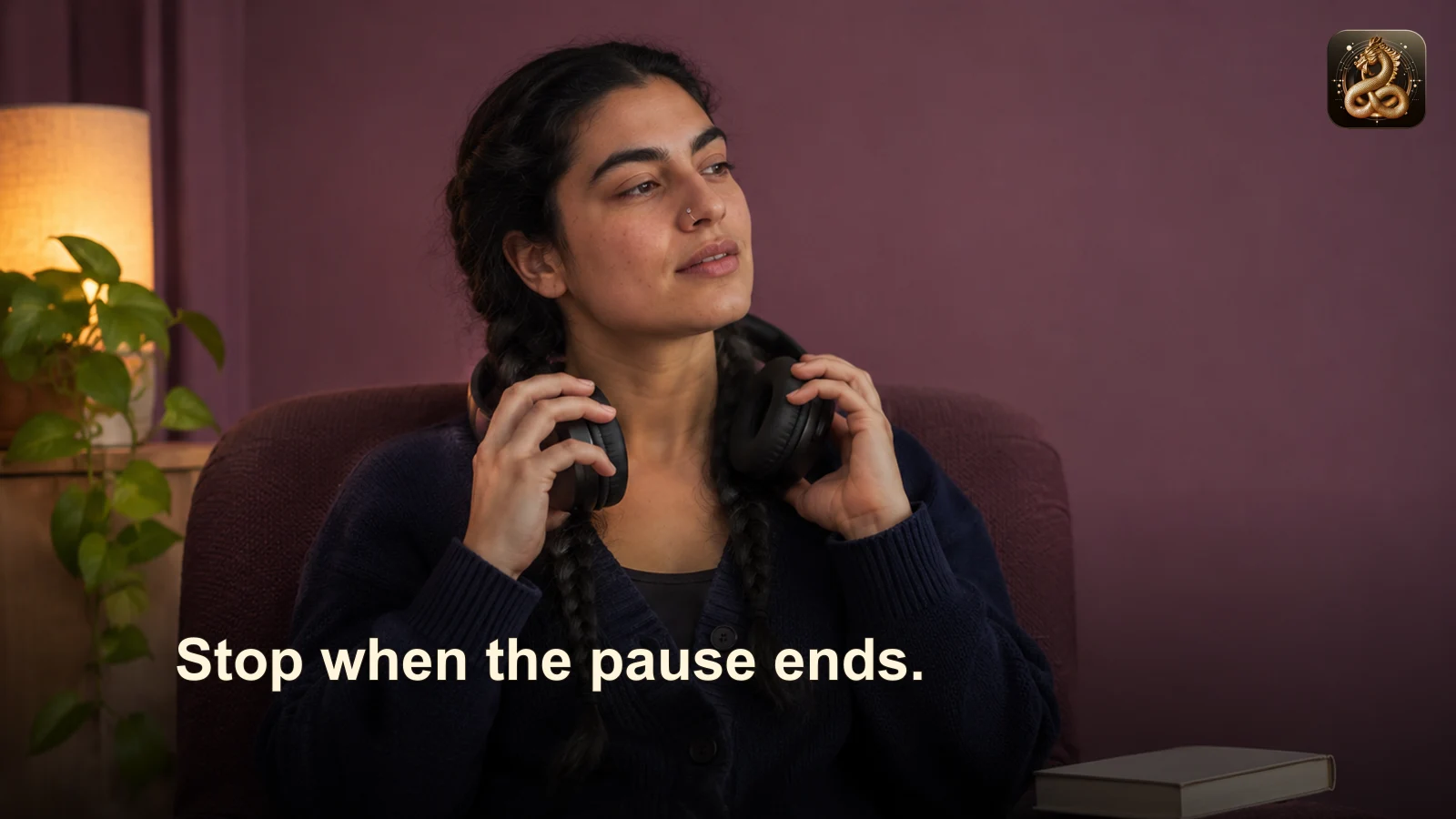
Some fiction can leave an unwelcome impression. A sound journey is not a treatment for distress, and continuing is not a test of whether you can handle the material. Put the recording aside and respond to your actual needs. Seek appropriate support for concerning or persistent difficulties.
If a sound brings up a personal memory, that is a different question from remembering a fictional scene. You can stop, attend to the room and decide what to do next. Do not use the recording to search for missing memories or treat an association as evidence that an event occurred.
For that narrower listening question, SoulFul GLO's guide to memories during a sound journey describes noticing, returning and stopping. A book scene, a personal recollection and an audible detail can remain distinct without being made into one interpretation.
Two fictional reading transitions
In this invented example, Saira finishes a chapter at home and puts a bookmark beside the page she wants to revisit. She chooses a short recording without spoken narrative because she does not want another story. A character's decision comes to mind several times while the sound plays.
Each time she notices, she returns to a currently audible phrase. At the end she stops playback and makes tea. She still has a question about the character. The example has not resolved the book or demonstrated improved attention; it shows an ordinary pause that left an unanswered reading question intact.
In another fictional example, Ben previews a sound journey after closing a novel and realises that he would rather reread the final page. He stops the preview, returns to the book and follows the exchange more slowly. He leaves the listening option for another occasion.
Neither person is a customer testimonial or a model for a required emotional response. The examples offer different choices. You can use an interval after reading to listen, think, reread or do something else, without proving that one activity successfully cleared the previous one.
Keep the possible benefits realistic
You may enjoy a clear separation between reading and the next part of the day. A recording can give you something available to listen to while you sit. Those are practical possibilities, not evidence that sound improves comprehension, consolidates memory or processes difficult themes.
NCCIH's meditation and mindfulness overview describes varied practices and research limitations. It does not establish an effect for this particular after-reading arrangement or a specific commercial recording. Optional self-care should not replace appropriate medical or mental health care, and research about one defined programme does not validate every listening routine.
The simplest assessment concerns fit. Did you want the sound? Could you stop it easily? Was the book easy to find when you returned? You can keep a useful setup and change an inconvenient detail without grading your thoughts, the novel or the listening period.
Frequently asked questions
Must I stop thinking about the book first?
No. You can notice a remembered scene and return to an audible detail if you want to continue listening. Clearing the story from your mind is not a prerequisite. You can also choose to spend the interval thinking about the book instead.
Should the recording match the novel's mood?
Only if that is a personal preference you want to try. Matching is not necessary, and a recording's title cannot determine what you should feel. Choose something you want to hear without making it explain or complete the author's work.
Can I keep reading while the sound plays?
You can choose background listening separately, but that is a different arrangement. This guide describes putting the book aside for a sound-based pause. Keeping the activities distinct makes it clearer which one you actually want to attend to.
Do I need a reading journal afterward?
No. A book note is optional and can remain a separate activity. You can finish listening and move on without writing an entry, summarising the plot or recording a change in mood.
Choose the next activity directly
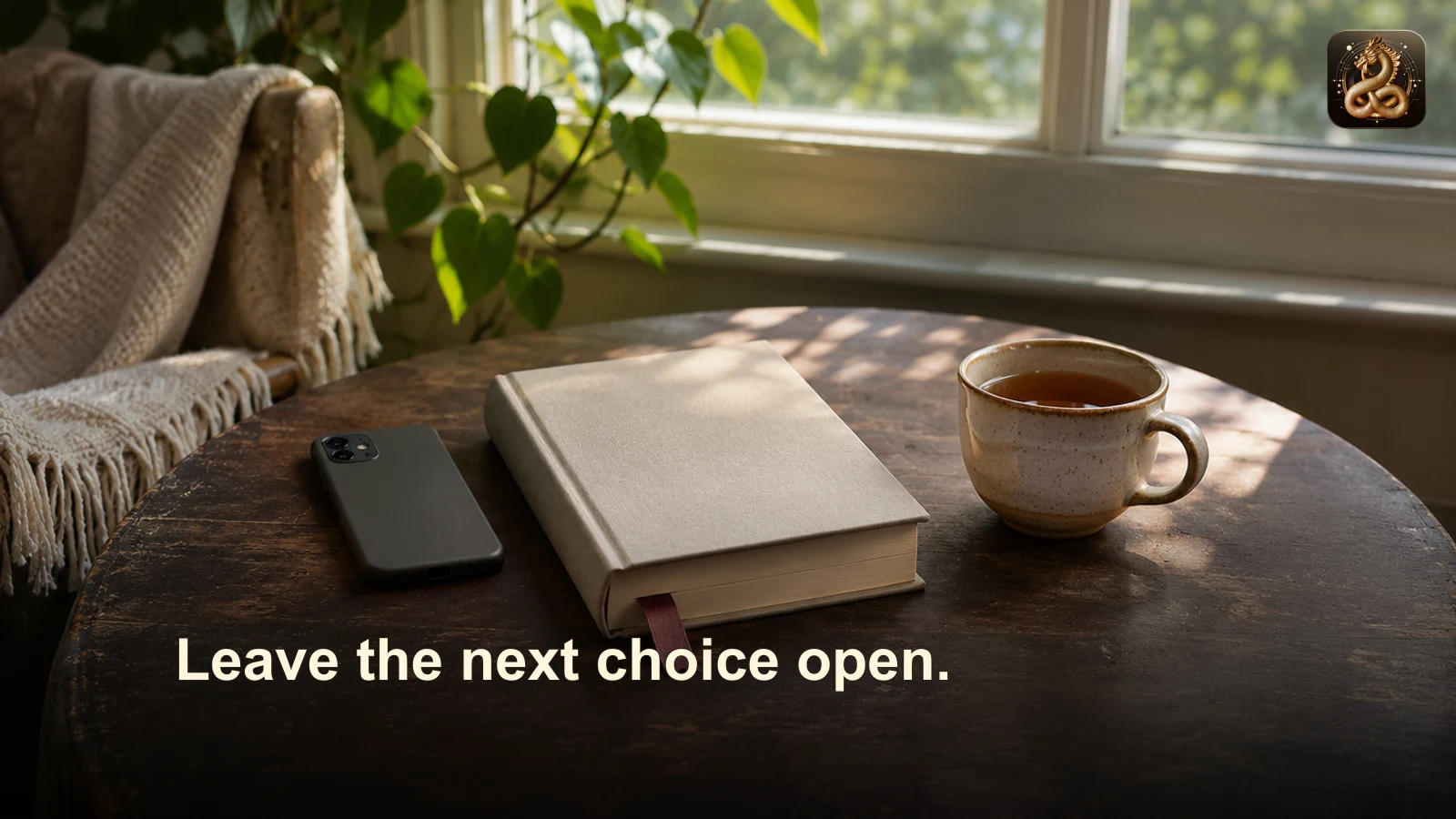
Explore SoulFul GLO's sound-journey overview if you want another recording to consider. Mark the book, choose a manageable pause and leave the next decision open. The story can remain with you while the listening ends and the rest of the day continues.