
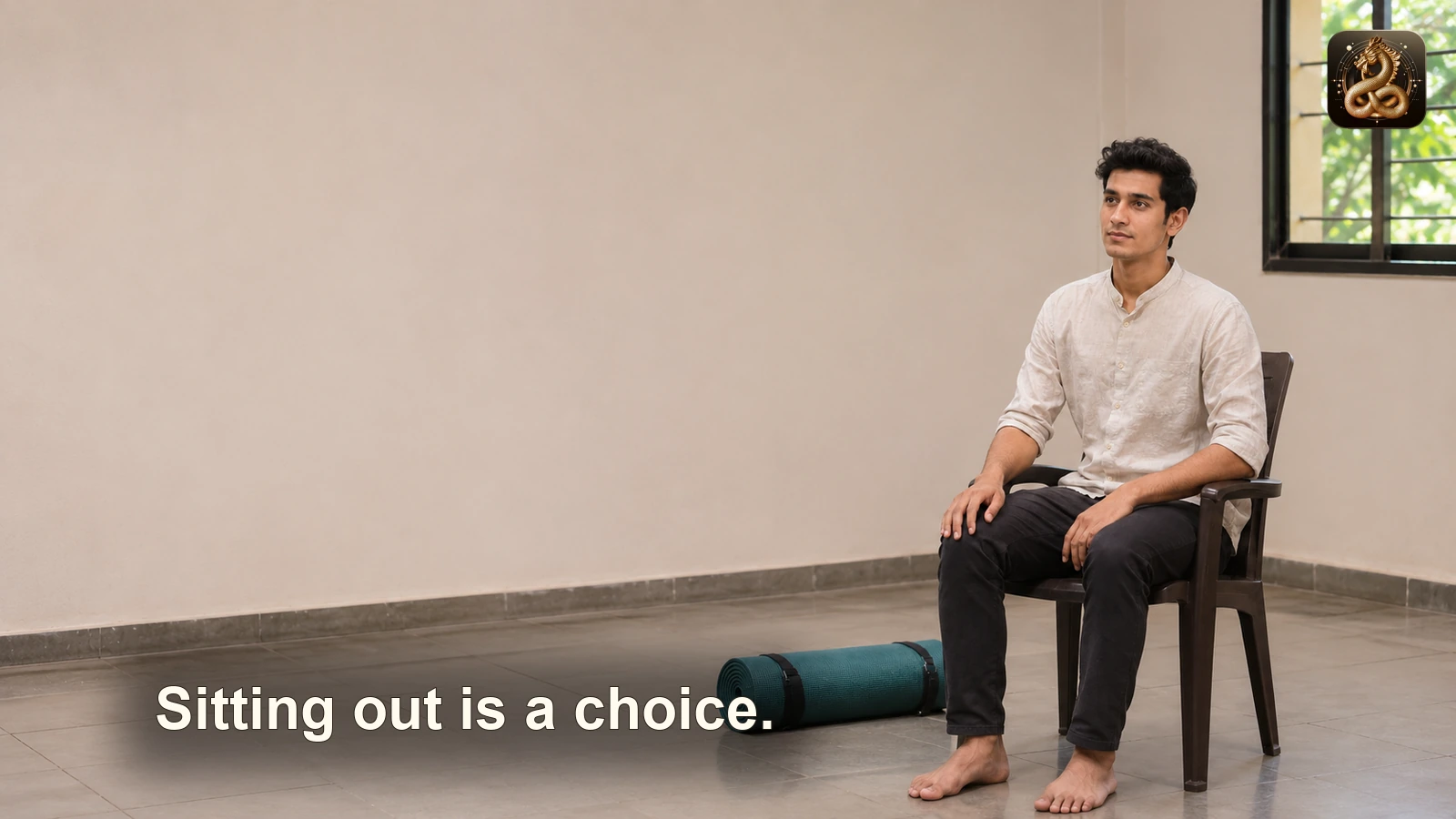
The teacher introduces another pose and you decide you do not want to do it. You may understand the instruction perfectly. Perhaps the activity is unfamiliar, perhaps you want a pause, or perhaps your answer today is simply no. The next question is practical: how do you remain in the room without feeling you must copy the group?
Skipping an activity and leaving the whole class are different choices. You can communicate that you are sitting this part out, use an arrangement you already understand and wait for a clearly explained opportunity to rejoin. You can also decide to finish. A booking does not make every invitation a personal obligation.
This guide concerns participation and communication. It does not prescribe a substitute pose, teach how to leave a physical position or establish what is suitable for an injury or health condition. Ask for appropriate individual guidance where needed; do not use a general article to improvise an exit or replacement.
Quick answer
Stop participating in the activity you are declining and communicate your choice plainly. Ask the teacher where and how to wait if that is unclear. Use only an arrangement you understand and can use comfortably. Watch for a complete explanation of the next activity before deciding whether to rejoin. You do not owe the class extra repetitions, an explanation of private circumstances or a promise to try later.
Separate a clear no from an unclear instruction
You might want clarification before making a decision. In that case, ask what the teacher means while you remain out of the activity. A demonstration or plain explanation can supply information without committing you to following it. You can understand the answer and still choose not to participate.
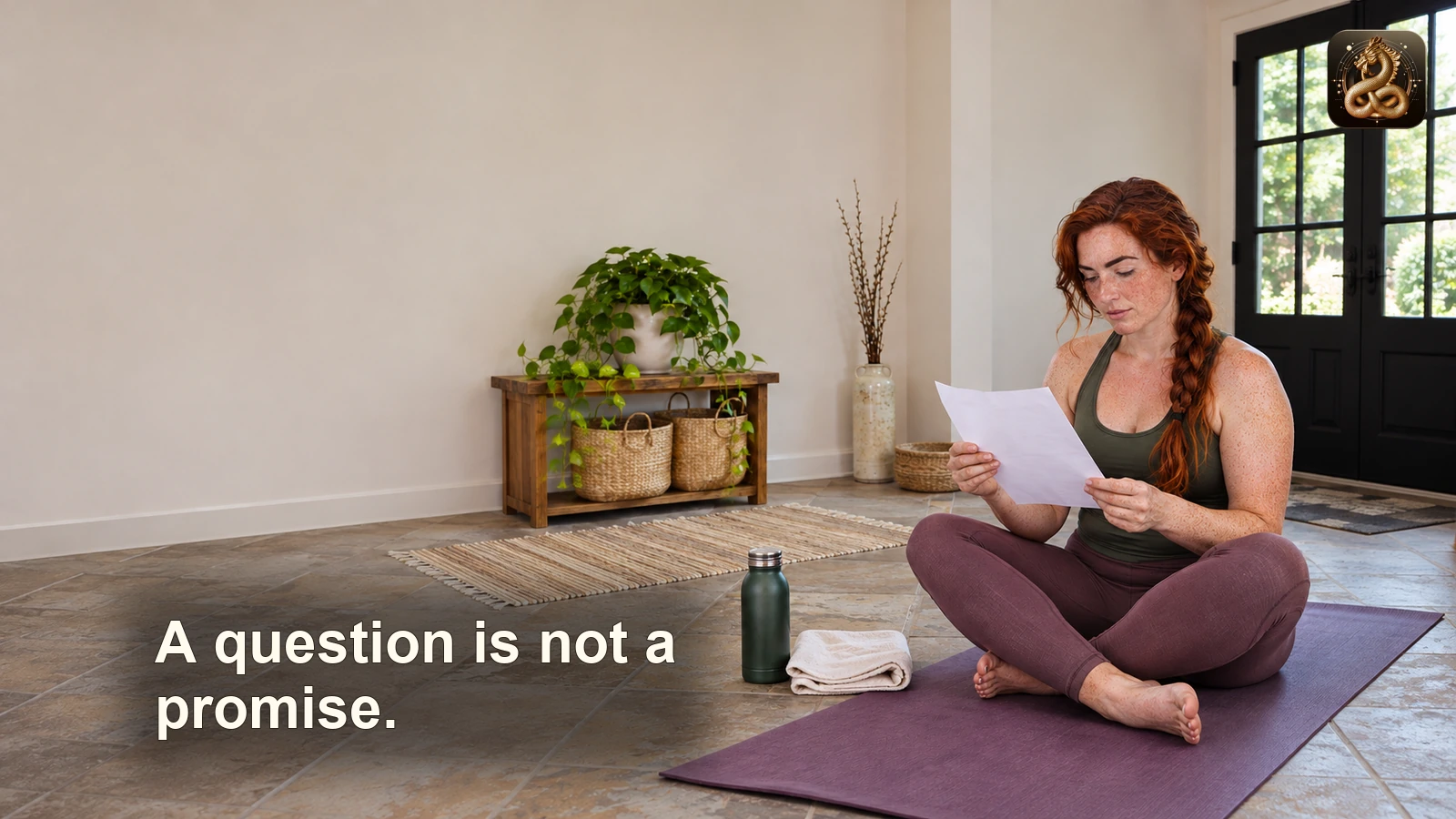
Alternatively, you may already know you want to skip it. “I am sitting this one out” communicates that decision more directly than asking whether you are allowed to find the pose difficult. You do not need to frame a preference as a technical problem to make it count.
If you are unsure how to leave a position, tell the teacher and request assistance appropriate to the situation. This article cannot supply a transition from the activity you are doing. Copying the person beside you could introduce another instruction you do not understand.
Keep ordinary safety and urgent needs first. You can stop an uncomfortable activity or seek help without waiting for a polite gap in the teaching. Planning how to communicate a routine choice is different from deciding what to do about a concerning symptom.
Find out what waiting looks like in this class
When you have time before the session, ask what participants usually do if they sit out part of it. You might need to know whether the teacher identifies a waiting place or explains an option before an activity begins. Ask about the actual arrangement rather than assuming there is one universal resting pose.
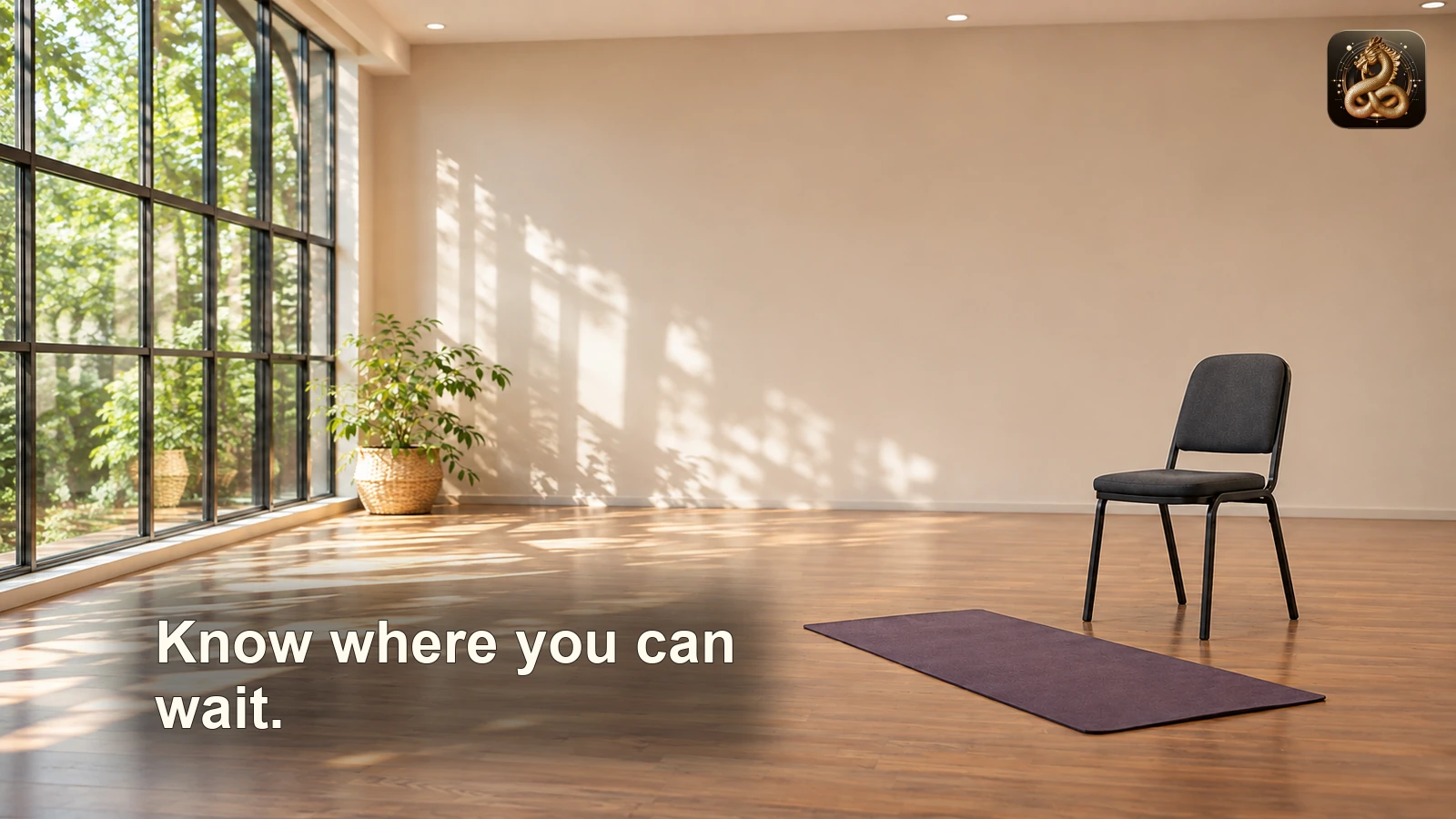
The word rest does not tell you which position to use or whether equipment is needed. A photograph of someone on the floor is not an instruction. Get an explanation you can use, and keep personal suitability separate from the fact that an option appears in a class description.
A helpful question is, “If I decide to skip an activity, how should I wait and find the next place to join?” This combines the two practical needs without requesting a personalised programme in a public booking message. The provider can explain what the format actually offers.
If the answer remains too vague, ask about the one detail that matters. You may need to know how to attract the teacher's attention, where not to obstruct the room or whether instructions are introduced again after a repeated sequence. Clear arrangements are more useful than reassurance about everyone being welcome.
Say what you want the teacher to do
A short statement can be enough: “I am leaving this pose out and will watch for now.” If you do not want another option, say so. If you would like an explained alternative, ask for one. These are different requests, and the teacher cannot necessarily infer which you mean from watching you pause.
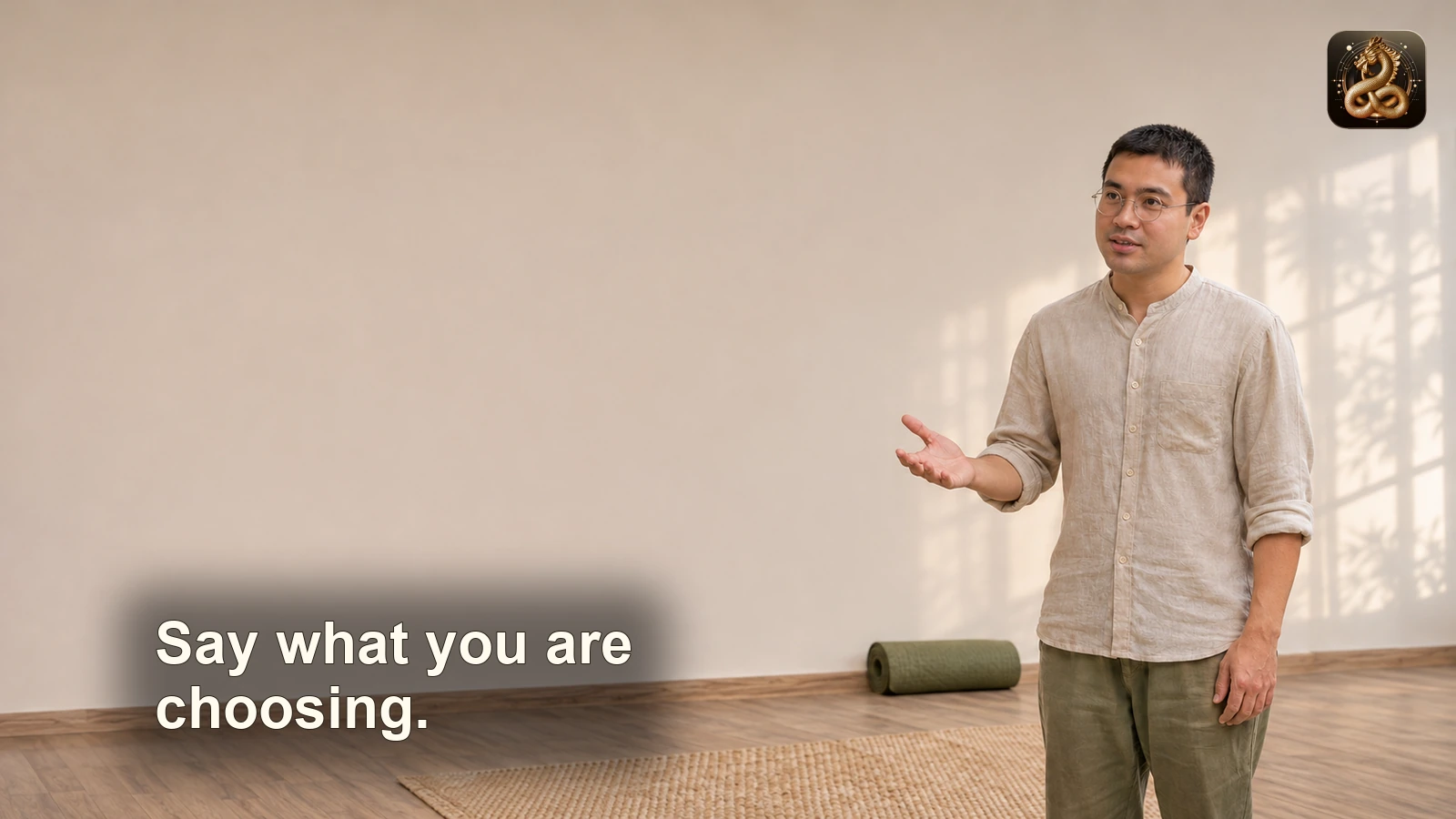
You can also clarify whether you want an explanation now or later. “I would like to observe this section; I can ask about it afterward” tells the teacher that you are not waiting for an immediate correction. It does not prevent you from asking sooner if another question becomes important.
If someone offers physical help, your choice about that contact is separate. Declining a pose does not request hands-on assistance. Read SoulFul GLO's guide to hands-on adjustments for questions about contact and current permission, including how to state that you want verbal guidance only.
You need not give a public account of your body, health or previous experience. Use an appropriate private discussion when personal information is relevant to individual advice. For an ordinary participation choice, a plain statement about what you are doing can remain enough.
Observe without turning watching into a task
You can let the class continue without analysing every detail. Watching may help you understand what is being taught, but sitting out does not require taking mental notes or preparing to perform it later. The pause can be a pause rather than a different assignment.
If a question remains afterward, remember the activity's name or where it occurred in the lesson. That reference can help the teacher locate your question without requiring you to imitate the movement to demonstrate it.
Keep your attention available for the information you need. If you want to rejoin, listen for the teacher introducing a new activity or explaining a transition. You do not have to study other participants to discover the correct moment. Their experience may differ from yours.
Avoid deciding that you must remain in a particular resting arrangement until the group changes. If your waiting position becomes uncomfortable, communicate and change what you are doing with appropriate guidance. Skipping one activity does not create a new obligation to stay still.
You can choose another class on another occasion if the available participation arrangement does not suit you. This is useful information about how you want to learn. It does not require a judgment about whether other people should enjoy the format.
Choose a clear point to rejoin
A complete new explanation is a better basis for a decision than the fact that the person next to you has started moving. Ask the teacher where you can rejoin if the sequence has continued beyond the part you missed. There is no requirement to catch up from the middle.
Before taking part again, check that you understand the activity being introduced and want to do it. Familiarity with its name may leave the actual transition unclear. SoulFul GLO's guide to unfamiliar yoga pose names can help you shape a separate question about what a name means in context.
You can skip more than one invitation. A decision to observe one pose does not promise participation in the following one. Equally, sitting out earlier does not mean you have to remain an observer for the whole session. Make the next choice from the explanation currently available.
Ask about rejoining without constructing a substitute sequence. The teacher may explain a suitable opportunity within the actual lesson, or the session may not offer the support you need. Keep that limitation visible rather than filling it with a movement remembered from another recording.
A fictional choice to keep observing
Mira understands the pose the teacher has introduced but decides not to take part. She says she will watch this section and asks where to wait. In this invented class, the teacher explains the arrangement available. Mira checks that she understands it instead of copying a familiar-looking position from another participant.
The group continues with several related activities. Mira chooses to keep observing rather than treating each one as a fresh request to justify her pause. When the teacher introduces a separate activity, she listens to that explanation before deciding what she wants to do next.
She may rejoin or continue watching. The example does not establish that observation produces the same benefit as physical participation. It shows a participation decision with a clear boundary: the time she sat out does not become a debt to repay later.
Mira is fictional, not a customer describing a real studio. A real teacher may offer different arrangements. The useful question is whether the actual class can give you understandable choices, including the choice to stop when an arrangement does not fit.
A fictional question when the sequence has moved on
In another invented situation, Theo pauses during a repeated sequence. By the time he considers rejoining, the class is between positions and he cannot tell where the next full explanation begins. He asks the teacher rather than starting with whichever movement he happens to see.
The teacher's response in a real class would need to address that particular lesson. This example supplies no physical instruction. If Theo does not receive an answer he can use, he continues to observe or finishes instead of building an entry point from guesswork.
That distinction matters with recordings too. Pausing playback can preserve a place, but it does not answer an individual question. If you need clarification that is absent from the recording, seek a genuine provider response or choose another resource before following the activity.
For a wider choice between those teaching arrangements, read SoulFul GLO's live-or-recorded gentle yoga guide. Use it to compare the support actually available, not to assume a live teacher can continuously observe everyone or that a recording is a personal assessment.
Review the format without scoring your effort
After class, consider what made the choice workable. Could you communicate without confusion? Did you understand where to wait? Was the next invitation explained clearly enough for you to decide? Those observations can inform your next booking without judging how much of the class you completed.
Keep your request separate from the provider's reply. “I asked to observe” describes your action; “the teacher explained how to wait” describes an answer you actually received. A hopeful assumption should not become a remembered promise when you compare classes later.
NCCIH's yoga safety guidance recommends learning with qualified instruction and considering individual circumstances. That source does not certify this communication method or a provider's conduct. Seek suitable advice for personal concerns, and avoid treating a class participation choice as a substitute for healthcare.
If the experience leaves you wanting a different format, use that information. More explanation, a different pace or another activity may suit the purpose you actually have. You do not have to keep booking the same class to prove that you can complete every part.
Frequently asked questions
Do I have to ask permission to skip a pose?
You can decide not to participate. Communicate that choice and ask about the practical arrangement for waiting or rejoining when needed. A teacher can explain the class format without making your participation compulsory.
Should I automatically use a familiar resting pose?
This article does not prescribe one. Use an arrangement you understand and can use comfortably, with appropriate individual guidance. Ask what the teacher offers rather than assuming a familiar name settles its suitability for you today.
Does skipping mean I should do extra practice afterward?
No make-up requirement follows from this guide. You are not collecting missed repetitions. Choose a later activity because you want it and have suitable instruction, not because sitting out created an obligation.
Can I finish the class if I no longer want to continue?
You can stop participating. For a known timetable issue, discuss departure arrangements in advance; for an urgent need, respond appropriately. SoulFul GLO's final-rest guide covers the separate question of how the session ends and how planned early departure is handled.
Keep participation a current choice
For your next session, begin with the information you need about the activity, waiting and rejoining. Explore SoulFul GLO's current practice descriptions if you want another resource, and check its actual teaching arrangements. You can take part in the options you understand without turning the whole class into a test of completion.