
A small paper offcut is still on the table after an afternoon of making something. You could put it away, leave it with the materials or use it beside a few journal sentences. Keeping it is optional. If you choose the journal, the fragment can remain an actual piece from the occasion while your writing explains the connection you want to remember.
A keepsake entry brings two kinds of material together: an existing paper item and a newly written account. The paper does not have to illustrate the whole event. Your words do not have to turn it into a symbol of your life. A modest entry can say what it is, how you associate it with the occasion and which details come from memory.
Quick answer
Choose one ordinary, nonsensitive paper fragment you own and are comfortable keeping. Identify it, write a short dated account of its connection to an occasion, and give the fragment and entry matching references. They can stay physically separate. Distinguish visible information from recollection, leave uncertainty intact and finish without collecting more material to complete the story.
Choose one piece you genuinely want to keep
Start with an item already available, rather than buying supplies or saving every scrap. A piece left from your own drawing project, a plain paper colour sample you may keep or a simple ticket without private information could serve. You can use a description instead when retaining the physical item would be inconvenient.
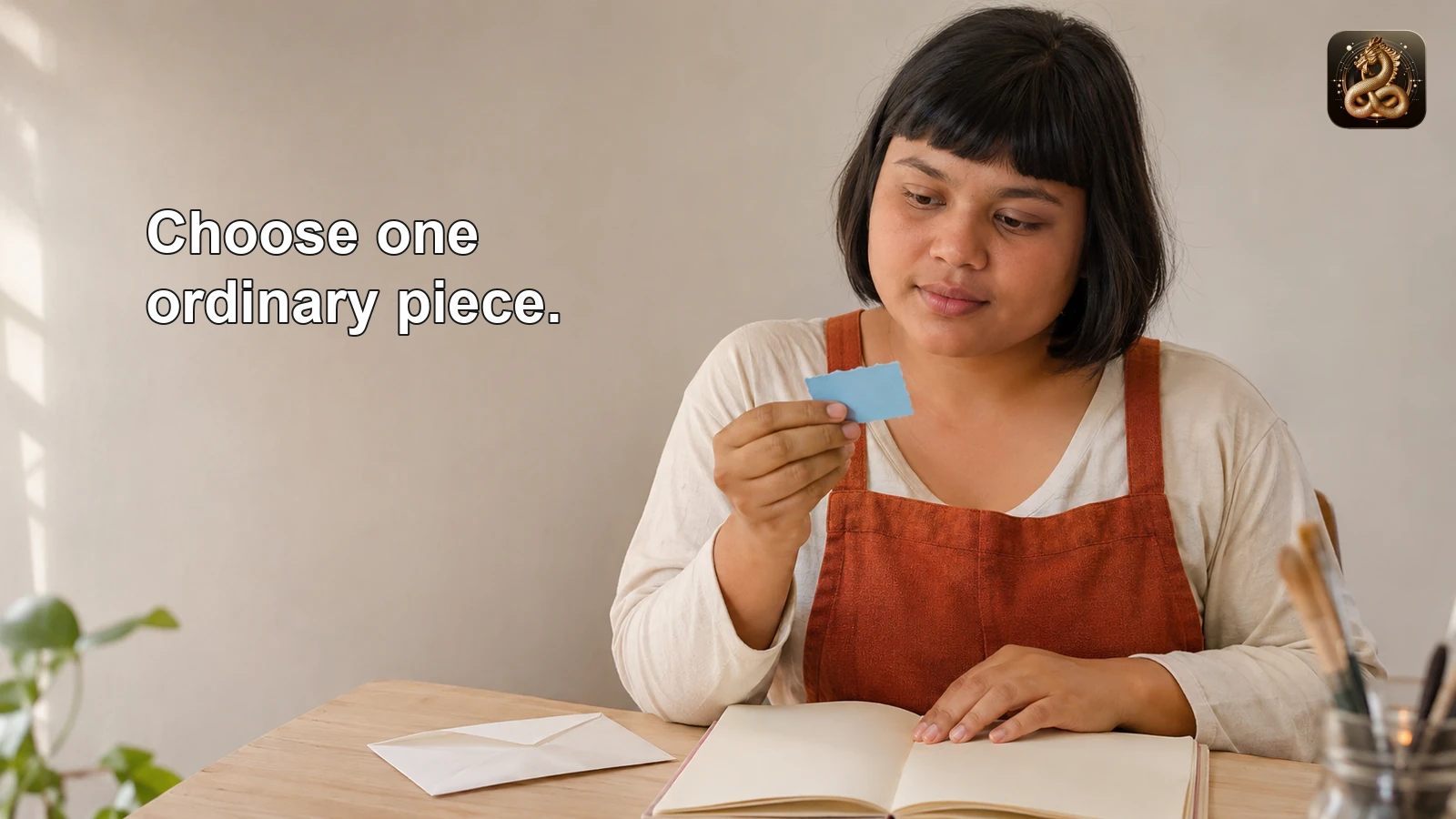
Name your reason at ordinary scale. You might want to remember choosing that colour, trying a fold or spending an afternoon making something. The fragment can support that small subject. It need not represent a friendship, a turning point or a finished project, and choosing another piece later does not invalidate this one.
Check the actual material before treating it as suitable. Something sticky, damp, dirty, fragile or questionable can stay outside the notebook. This guide supplies no handling instructions. A valuable original or anything connected with a formal responsibility needs separate guidance, and keeping a journal should not interfere with how that material must be managed.
You can finish the selection without writing today. Put an appropriate temporary note with the item if you want, or leave the idea alone. Choosing an object for a private entry does not commit you to maintaining a collection, and not keeping it does not make the occasion less worth remembering.
Separate what the paper shows from what you remember
Look at the actual piece before writing an explanation. You may notice its colour, shape, folded edge or a few printed words. Describe only what you can establish. A blue offcut shows a particular piece of paper; it does not independently prove who chose it, how long the activity lasted or whether you enjoyed the afternoon.
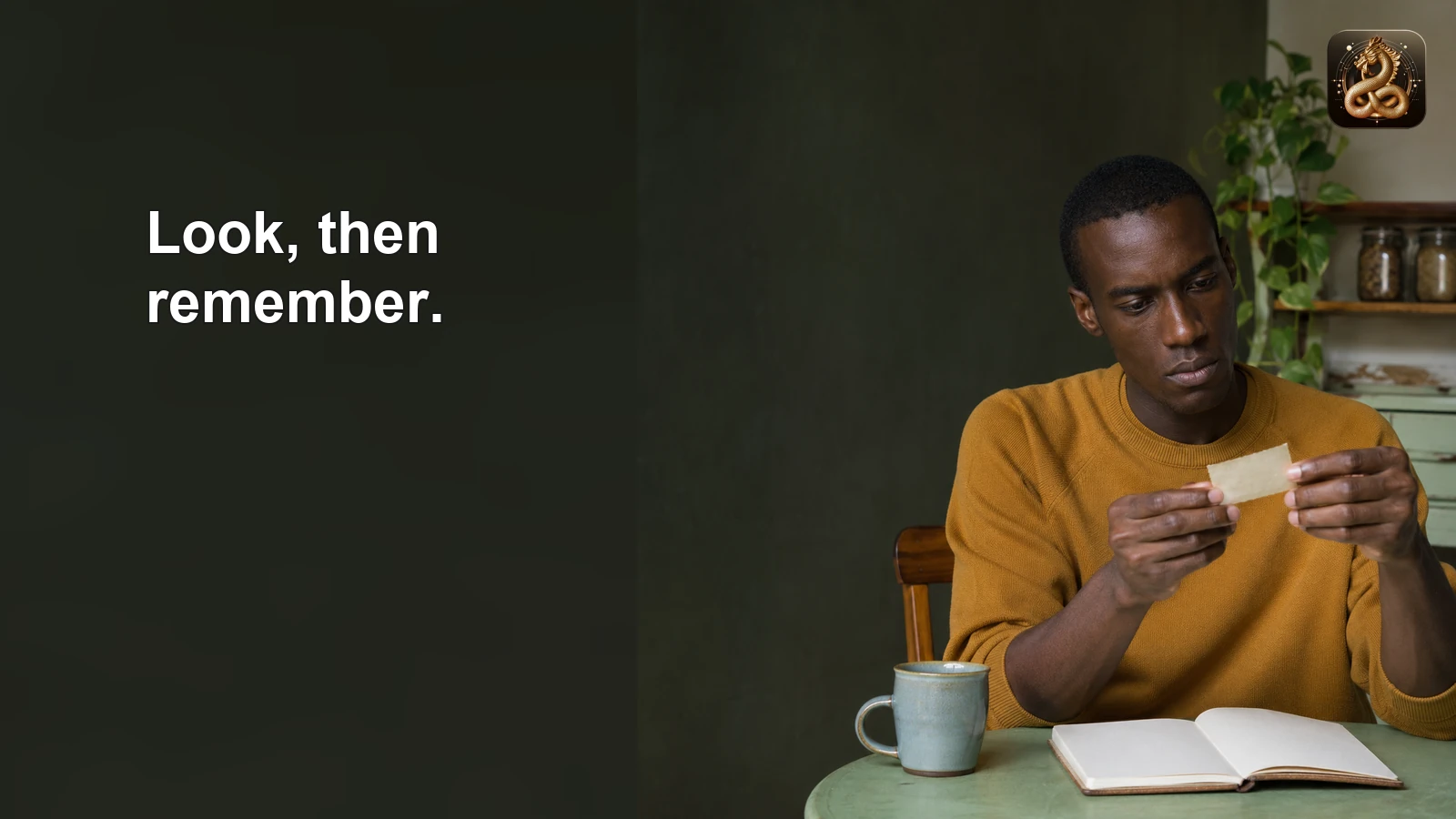
That distinction gives your recollection a clear place. Write, "I remember choosing this while trying a small folded shape," if that describes what you recall. If you do not remember when you cut it, leave the timing open. A plausible sequence does not become known simply because you still have the paper.
Printed information needs its own limits. A ticket may name a place or an event, but possessing it does not establish every part of your experience. A printed date and the date you write the journal are different references. Keep them distinct when they matter, and avoid copying numbers or identifiers that add nothing useful.
For this exercise, observation means what you can identify on the piece now; recollection means what you remember about its use. Keep the labels understandable in your own language. The personal keepsake arrangement below is an original editorial suggestion, not a tested intervention or a method for verifying an event.
Give the fragment and the entry a findable connection
Choose a simple reference you can recognise later. "Blue offcut, envelope K1" could connect a plain envelope with a dated notebook page. Write the reference on your separate note or envelope rather than altering an original just to make this exercise work. Use only as much detail as your own arrangement needs.
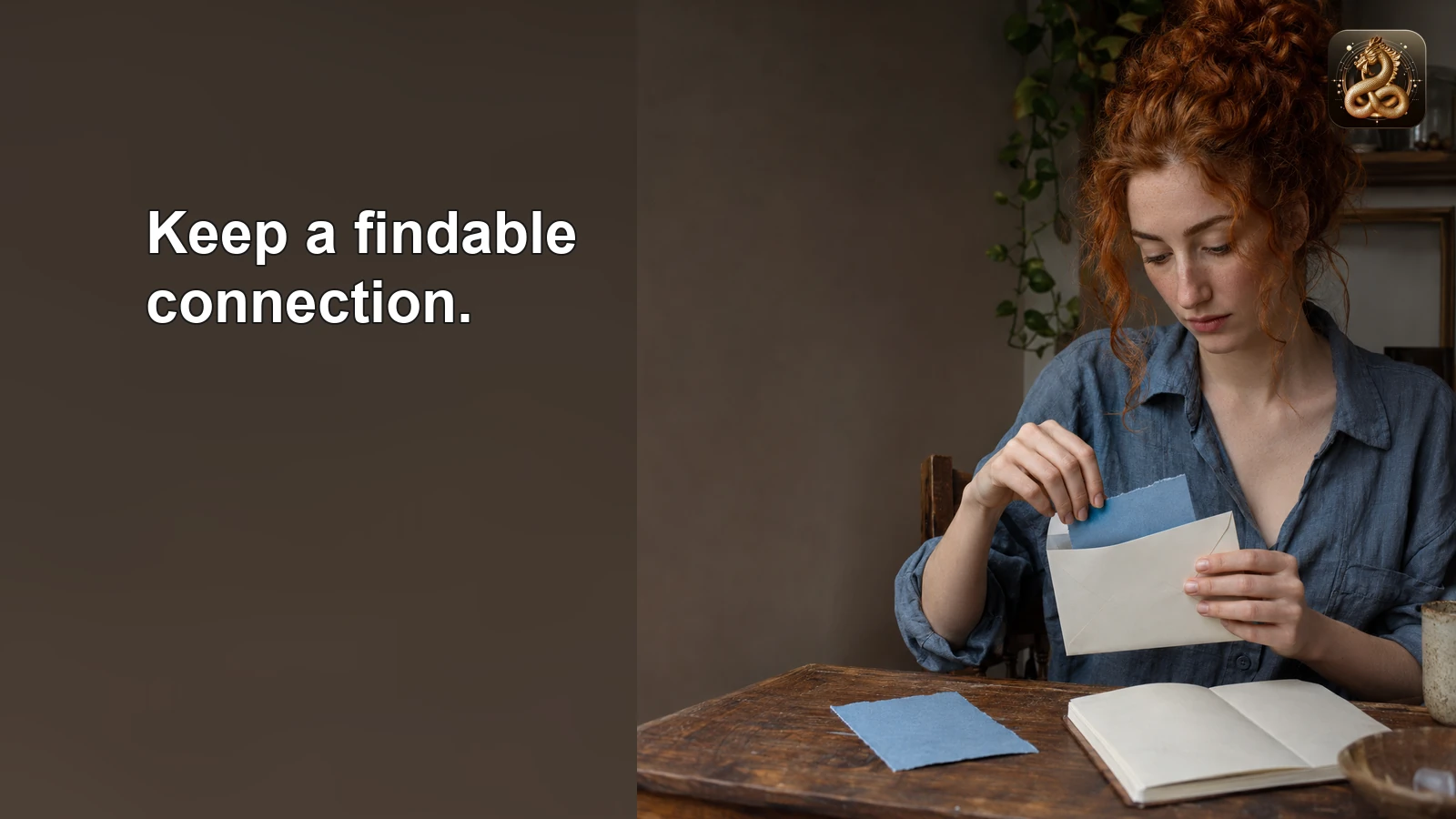
The fragment does not have to be attached to the page. A suitable separate envelope beside the notebook can keep the association understandable without adding thickness to the binding. Check your actual arrangement. This article makes no preservation guarantee, and it cannot tell you which material is safe for the particular object or surface.
If you prefer a reference-only entry, describe where the piece normally lives. You can write about it without making another copy or moving it permanently. Keep the location understandable to you while avoiding a detailed disclosure of where you store valuable or personal material. A general label may be sufficient.
Try the reference in both directions: from the page, can you identify the intended item; from the item's separate note, can you identify the page? Correct an ambiguous label when useful. You are establishing a practical association, not cataloguing everything you own or assigning the fragment a more important history than it has.
A reference can be plain enough that you will actually use it. If a code feels like extra administration, choose a short description already familiar to you. For example, the page can say "blue paper from the folding afternoon" while the separate note names the notebook and writing date. The aim is recognition later, with no requirement to design an elaborate system.
Write the account at the scale of the occasion
Begin with what you want the entry to retain. "I used this blue paper while making a folded shape after lunch" gives the fragment an ordinary connection. Add one detail about your participation and a response you want to keep. You may have liked the colour or found one step awkward. Neither response requires a broader lesson.

Leave other people's unspoken experiences out. If someone worked nearby, you can describe what you observed without explaining their motives. The keepsake is not permission to record their private words or include identifying information. Your own part can provide enough material, even when the occasion involved other people.
Keep the writing date visible. If the occasion happened earlier, state what you know about its timing without making today's account look contemporaneous. "Written today; I think the making afternoon was last weekend" preserves uncertainty. You do not need to search through messages or photographs merely to turn a casual entry into an exact chronology.
Keep another journaling form available
Explore the SoulFul GLO journaling overview. You can choose a plain text entry when storing a fragment adds work. Check the actual features of any tool you use; this guide does not establish image uploads or any other feature.
Try a small plan without filling every field
| Part | What to record | What it cannot establish |
|---|---|---|
| Paper | One blue offcut | The full occasion |
| Connection | My recollection of using it | Everyone else's experience |
| Reference | Envelope K1 and today's page | A preservation guarantee |
| Ending | One response or an open detail | A required lesson |
The table separates the jobs of the paper, the writing and the reference. You can use those distinctions without copying the layout. A narrow notebook may suit a few sentences better. If one field contributes nothing, leave it out rather than inventing a fact to make the entry look complete.
A fictional demonstration: a blue paper offcut
Lina is an invented adult who spent part of an afternoon trying a folded paper shape. She kept one ordinary blue offcut with her own materials. Later, she decides it belongs beside a small journal account. The piece has no printed information, and she does not need to retain any identifying details about another person.
First she writes, "One blue offcut with an uneven edge. I remember it coming from the sheet I used for a small folded shape." The first sentence describes the piece. The next identifies the remembered connection. She cannot place the exact time of the cut, so she does not turn that gap into a precise step-by-step account.
She adds, "I liked choosing the blue, and one fold took several tries. The shape was still unfinished when I put the materials away." These sentences describe her own participation and response. They do not make the offcut evidence that the project was completed or that the afternoon changed how she felt.
Lina uses "K1" on a separate envelope note and beside the dated entry. She leaves the piece unglued. Her simpler option would be to write the description and keep the fragment with the original materials. Either choice can preserve the association she wanted. Lina and the occasion are fiction, not an account of a customer's results.
Leave sensitive and unnecessary details outside
Inspect both sides before keeping a paper item with the journal. The reverse might carry an address or a number you do not need. A plain description can be enough, and excluding the original is available. This exercise cannot establish that anything is private simply because it sits inside a notebook.
The same applies to copies. A photograph of a fragment may include nearby pages or objects. If you make a copy, check the actual result. Do not assume that its filename or the intention to keep it private controls who can open it. The safest small project can be the one that needs no additional copy.
Sharing the completed page is a different choice from composing it. You may want to retain an association privately while showing nobody the fragment or entry. If you later share, inspect what the combined materials reveal. A harmless-looking scrap and a detailed account can disclose more together than either does alone.
Let the last sentence be enough
Read the connection once if you want. Does the entry distinguish the paper's visible features from what you remember? Can you identify the piece without turning the label into a detailed story? A short correction is available if the words accidentally imply certainty you do not have.
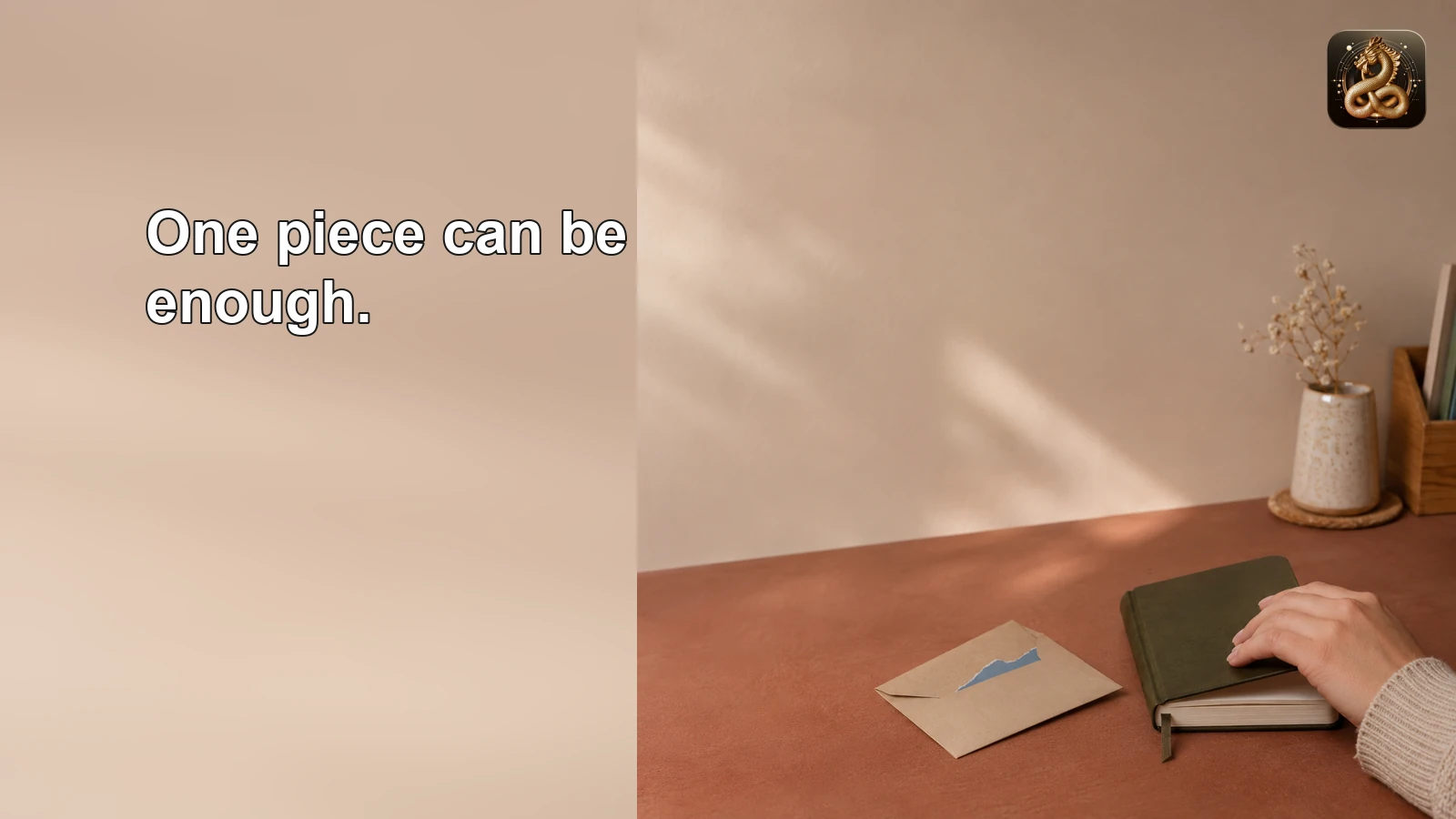
Then finish. There is no requirement to find a second fragment, decorate the page or make every future entry match. You can also stop earlier, use another subject or leave the project unfinished. An optional personal-record method should remain something you can put aside.
If you return another day, add a new dated sentence rather than quietly extending the earlier account. You might now remember which colour you tried next, or realise that you no longer know where the offcut came from. Keep that later understanding identifiable. The unchanged fragment can sit beside more than one account without making all those accounts equally certain or requiring you to choose a final version of the memory.
Frequently asked questions
Must I glue the keepsake into the journal?
No. The item and entry can stay separate with matching references, or you can describe an item kept elsewhere. That avoids making attachment part of the writing requirement. Appropriate treatment still depends on the material.
Can I use a ticket or receipt?
Check it first. Personal details, codes or formal recordkeeping needs may make it unsuitable. Choose another ordinary fragment or a brief description when that is simpler.
What if the paper brings back only a partial memory?
Keep the remembered part partial. A physical fragment does not supply the missing sequence or establish what other people felt. You can record a visible detail and leave the occasion uncertain.
Does every keepsake need an important meaning?
No. A colour, texture or ordinary activity can be enough for the entry you want. You can also decide not to keep the piece. Neither choice measures the value of the occasion.
Choose a different starting point next time
For a separate visual-writing method, explore the SoulFul GLO sketch-journal guide. Today's keepsake can remain one piece and one account, with no obligation to turn either into a larger project.