

Sound is always with us - an invisible atmosphere that can either drain us or steady us. A sudden notification can jolt your attention. A gentle rainfall track can soften your shoulders. A consistent ambient soundscape can make it easier to concentrate.
This is the heart of sound therapy in a modern wellness context: using intentional audio to support a calmer nervous system, clearer focus, and more restful nights. Not as a medical treatment, but as a practical tool you can integrate into everyday life.
In this guide, we'll explore how sound influences attention, mood, and relaxation - then share simple, actionable listening tips you can use right away. If you're new to SoulFul GLO, you can start at the homepage and explore from there.
Quick Links
Understanding the Science: How Sound Affects the Brain and Body
Your brain doesn't just "hear" sound - it responds to it. Certain kinds of audio can feel grounding because they change the environment your mind and body are processing.
At a high level, sound can support well-being through three pathways:
- Attention guidance: giving your mind a steady anchor.
- Emotional tone: shifting your internal atmosphere.
- Rhythm and predictability: helping the body settle.
The Nervous System and Sound, in Simple Terms
When you're stressed, your body leans toward activation - tension, quicker breath, alert attention. When you feel safe and supported, your system can downshift - breathing slows, muscles soften, and your mind becomes less reactive.
Many people find that steady, gentle sound helps them shift into a calmer state because it reduces sudden sensory changes and creates a consistent background. Nature soundscapes in particular often feel safe and non-demanding.
Brainwave Entrainment: A Gentle Introduction
You may hear terms like alpha, theta, or delta in wellness audio. These refer to patterns of brain activity commonly associated with different states:
- Delta: deep sleep.
- Theta: deep relaxation and meditative states.
- Alpha: calm, relaxed focus.
- Beta: active thinking and alertness.
- Gamma: high-level processing.
Some audio is designed to encourage certain states through rhythm, repetition, and tonal layering. This isn't a guarantee - and it's not a clinical claim - but many listeners report that consistent sound patterns make it easier to enter a calmer or more focused state.
Why Nature Sounds Are Often So Effective
Nature sounds - rain, waves, birdsong, wind - tend to be layered but not chaotic, dynamic but not startling, and rich but not mentally demanding.
That combination can reduce mental "work" and make relaxation feel more accessible, especially when your mind is already tired.
Sound Therapy for Relaxation: Finding Your Inner Calm
Relaxation often begins when the mind stops scanning for problems. Sound can help by giving your attention a soft place to rest.
What Sounds Tend to Promote Relaxation?
- Nature soundscapes: rain, ocean waves, and forest ambience.
- Ambient music: slow, predictable, and with minimal lyrics.
- Soft tonal layers: gentle drones and smooth textures.
- Noise textures for masking: white noise, pink noise, or brown noise - use what feels best.
Practical Listening Tips for Relaxation
- Choose one intention: "I'm here to soften."
- Lower the volume more than you think you need. Relaxation audio works best when it feels like environment, not a performance.
- Start small: 10-15 minutes is enough.
- Notice one element, such as the lowest tone or the rain layer, and keep returning to it.
- Pair sound with breath: inhale gently, then exhale a little longer than you inhale.
For a broader comparison, read Soundscapes vs Guided Meditation vs Yoga.
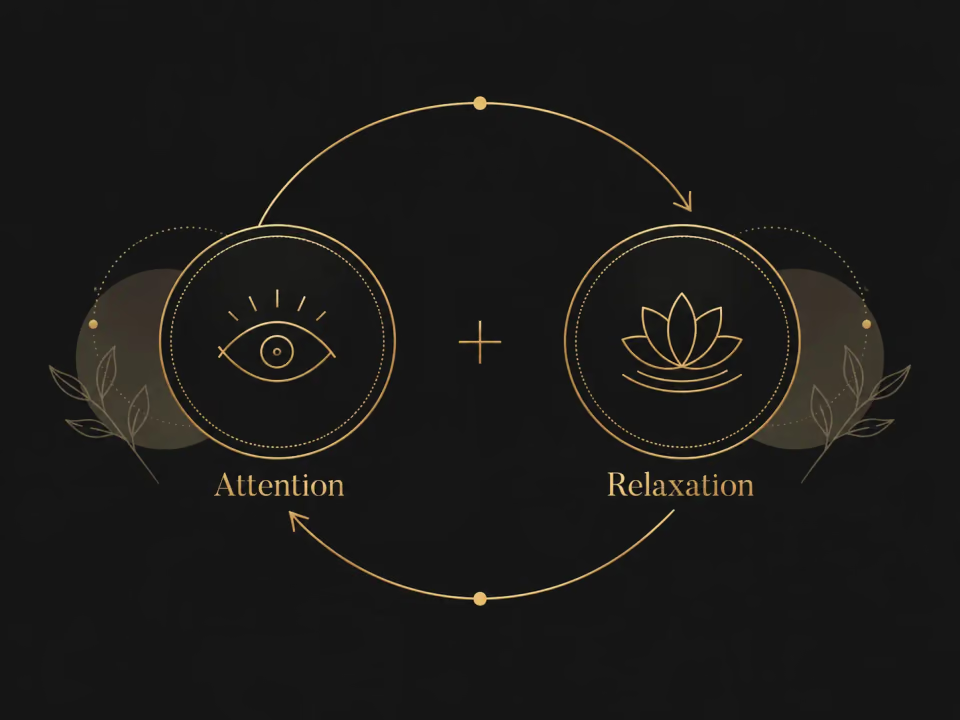
Sound Therapy for Focus: Sharpening Your Cognitive Edge
Focus isn't only willpower - it's also environment. If your environment is noisy or unpredictable, your attention gets pulled outward. A steady soundscape can create a consistent auditory container so your mind doesn't have to keep re-orienting.
What Sounds Tend to Support Focus?
- Steady ambient textures with minimal changes.
- Gentle nature backgrounds such as water, wind, or distant birds.
- Instrumental tracks with predictable tempo and no sudden drops.
- Brown or pink noise - some people prefer these for deep work.
Practical Listening Tips for Focus
- Pick "consistent" over "interesting." If you keep paying attention to the audio, it's too engaging.
- Use moderate-low volume to mask irregular noise.
- Try a 25-50 minute work block with the same soundscape.
- Turn on Do Not Disturb during your focus block.
Sound Therapy for Sleep: Drift Into Deeper Rest
Sound can support sleep in two main ways: helping you fall asleep, known as sleep onset, and helping you stay asleep by reducing disruptions.
What Sounds Tend to Promote Sleep?
- Slow, minimal soundscapes with few changes and gentle dynamics.
- Predictable rain or ocean textures.
- Pink or brown noise for consistent masking.
- Sleep-focused ambient music without sudden shifts.
Practical Listening Tips for Sleep
- Begin your sound ritual 20-30 minutes before you want to sleep.
- Keep the volume low. Sleep audio should feel like a soft blanket, not a story.
- Try a 30-90 minute sleep timer, depending on your wake-up patterns.
- Place devices safely and avoid putting speakers too close or setting the volume too high.
To build a sustainable ritual rather than a perfect routine, follow the habit-first approach in How to Build a Daily Wellness Ritual.
Exploring Sound Journeys: A Practical Way to Apply Sound Therapy
Science is helpful - but what matters is what you do tonight, tomorrow morning, and during your next stressful moment.
A Sound Journey is a curated, intentional listening experience designed for a specific state: calm, focus, rest, or reset. Rather than searching endlessly for the "right track," you choose by intention and press play.
How to Get Started, the Easy Way
- Pick one goal: calm, focus, or sleep.
- Choose one track and repeat it for three days; familiarity often improves results.
- Add one tiny ritual cue: tea to Sound Journey, lights dim to Sound Journey, or laptop closed to Sound Journey.
Explore the Sound Journey Library.
Beyond Listening: Integrating Sound Into Your Day
Sound therapy works best when it's not "another task." Think of it as a supportive layer you can add to what you're already doing.
- Morning: 10 minutes of a calm or focus soundscape while you get ready.
- Work blocks: steady sound during deep work.
- Evening: sound paired with a short stretch to downshift.
- Bedtime: a sleep soundscape with a timer.
For more frameworks, resources, and guided content, start at the SoulFul GLO homepage.
The Harmonizing Power of Sound
Sound won't "fix everything" - but it can support you in powerful, practical ways. The right soundscape can soften overwhelm, create a container for focus, and make bedtime feel less like a struggle.
The key is to keep it simple:
- Choose by intention.
- Keep the volume low.
- Repeat what works.
Ready to Build a Calm Ritual With Sound?
Explore immersive Sound Journeys or unlock the complete SoulFul GLO experience.
Wellness note: SoulFul GLO content supports general well-being and is not medical advice or treatment. Keep audio at a comfortable volume and stop listening if you experience discomfort.