You are ready for bed and would like to play a sleep meditation. You are also waiting for a call from someone who may need a lift home. Turning off every interruption sounds appealing until you remember that you agreed to answer. The useful question is whether you can hear that particular call while the recording is playing.
Keep the way that person reaches you as simple as you can. Test it with the setup you plan to use. If you cannot verify that it works, keep the phone in the arrangement you normally use to stay reachable and choose a wind-down that fits around it.
Quick answer
Identify the call or notification you need, then test it before bedtime with the same device, audio output, volume and notification mode you intend to use. Listen for the actual alert and check whether you notice it while the meditation plays. Keep the familiar reachable setup if the test is inconclusive. You can use a quieter recording, a separate player, or a few minutes without audio if that fits your evening.
Decide who needs to reach you and how
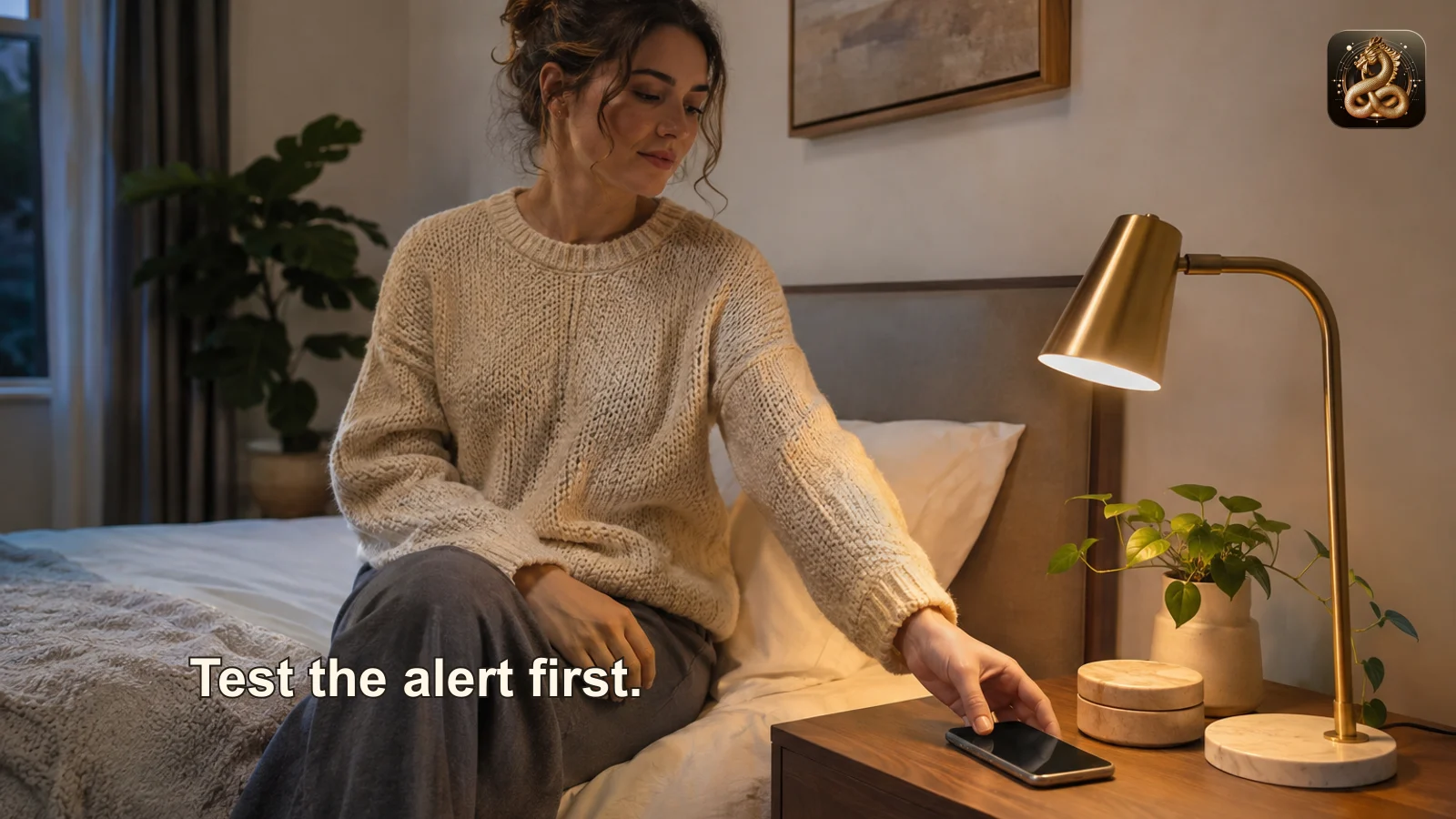
Start with the person or service you are expecting. A family member may call your usual number. A colleague may send a message through an app. A visitor may use a doorbell. These are different signals, even if the same phone shows them all. A successful call tells you about that call. It gives you limited information about what happens when a different app tries to alert you.
If someone can contact you in several ways, agree on one that you can use that night. You might say, “Call my number when you arrive.” A clear arrangement can save you from watching several apps at once. Use the route that suits the purpose of the contact. If your work or caring arrangement already specifies a method, keep that method and test the setup around it.
You may need to respond promptly rather than simply see a message later. Think about what has worked for you in that situation before. A vibration you notice when holding the phone may be easy to miss when it is on the bedside table. If a particular notification matters, choose an arrangement in which you can recognise it with the phone where it will actually be.
Recreate the setup you plan to use
Put the phone where you would normally leave it during the meditation. Connect the speaker or headphones you intend to use. Open the same recording and begin playing it at a comfortable level. Use the alert and notification settings you expect to have when you go to bed. Then ask a willing person to make the test call or send the expected notification if that is practical.
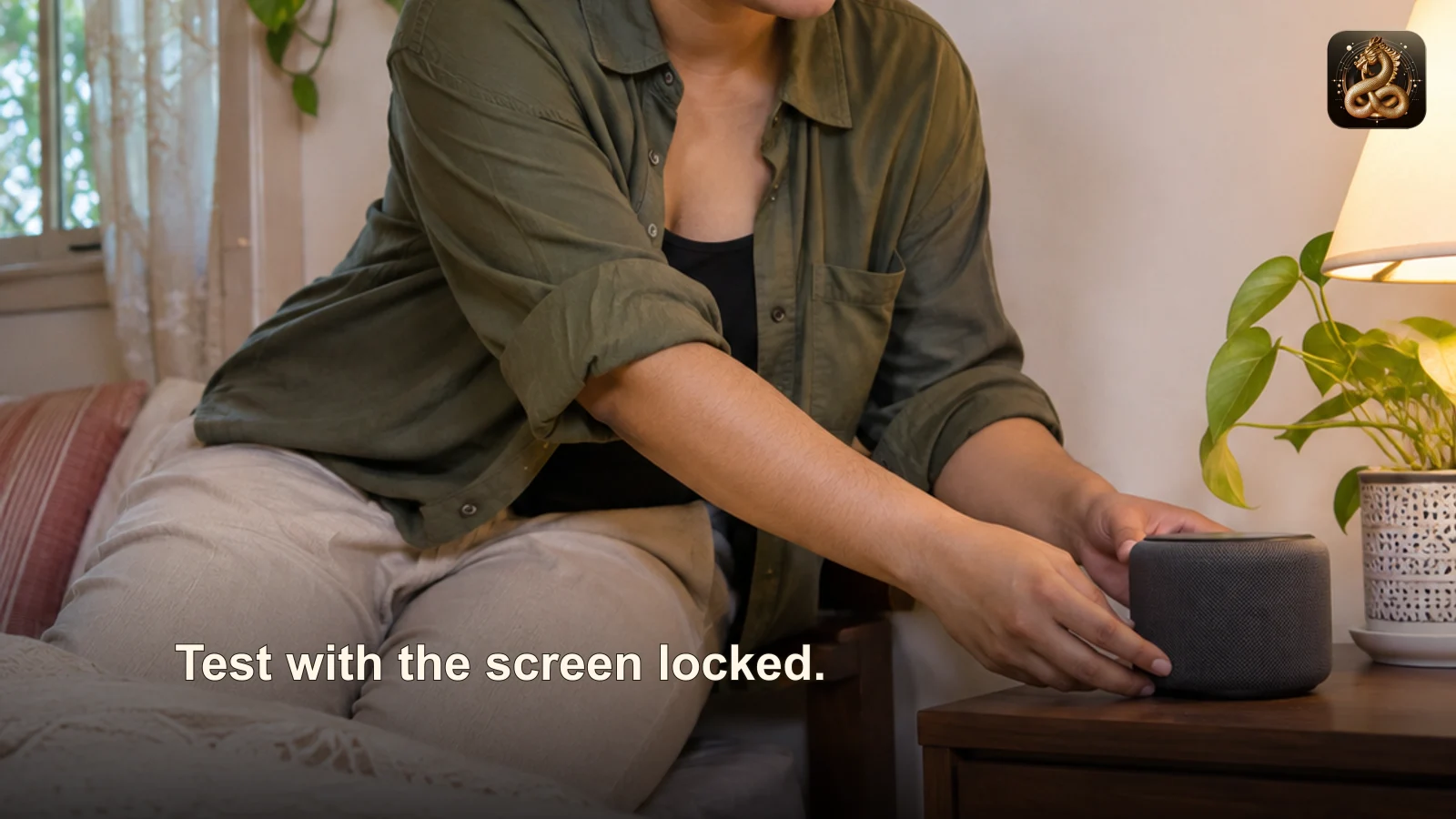
Listen from your usual position. Check whether you can hear or otherwise notice the alert. If you use headphones, check where the sound comes through and whether it is recognisable over the recording. If the phone is across the room, consider whether you can get to it easily. Keep the playback controls somewhere you can reach so that you can pause before answering.
Some recordings begin quietly and become louder later. If the first few seconds are unrepresentative, test while a typical part of the recording is playing. A voice speaking at the same moment as an alert can make it harder to tell which sound you heard. You can choose a softer track or change where you put the phone if that helps you recognise the alert at an easy volume.
Check what happens after the alert
Notice whether the recording pauses, becomes quieter, or keeps playing when the alert arrives. If you answer, listen to whether the playback stops and see what happens when the call ends. You may prefer to resume the meditation yourself once you are ready. If the recording starts again automatically and you want quiet, pause it before putting the phone down.

You can keep the test short. The useful result is that you recognise the alert and can respond as intended. If you notice that you have to look at the screen constantly to tell whether anything arrived, the arrangement may be awkward for bedtime. Consider keeping the phone in its usual position and listening for the signal you already know.
If you change the audio output or notification mode after the test, check the relevant alert again if you can. A test with a speaker tells you how the alert behaved with that speaker. Moving to headphones changes what you are listening through. A quick repeat can resolve that difference before you settle in.
Decide what to do when you cannot test
You might be expecting a call from someone who is already travelling, or waiting for an app alert that you cannot safely trigger on demand. Use the most dependable arrangement you already know for receiving that contact. For example, leave the phone in the place and mode you usually use when you are waiting for that person to call. Then decide whether a recording can fit around it.
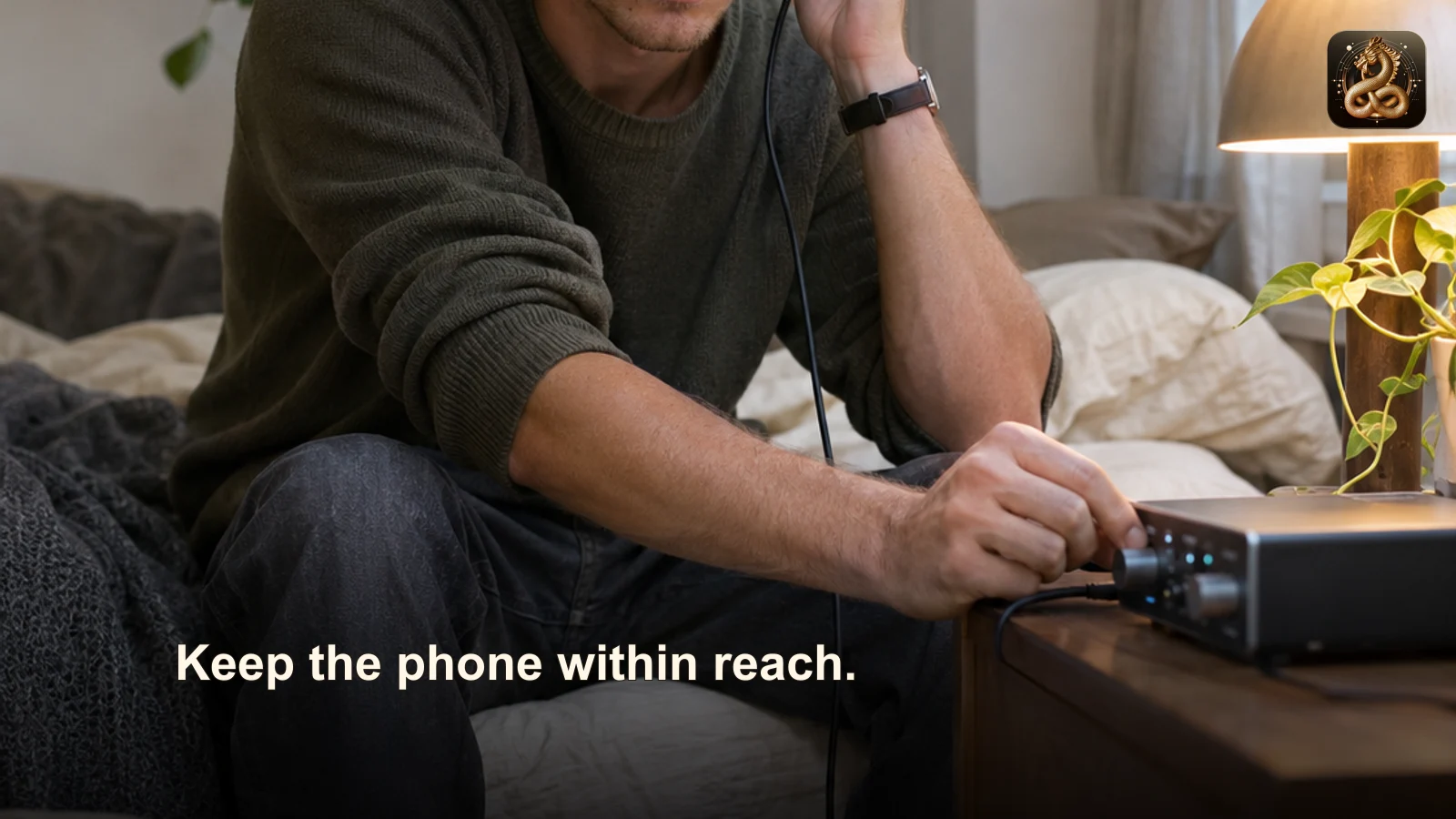
You could do the meditation earlier, before you need to stay reachable. You could listen for a few minutes in another room if someone nearby is trying to sleep. You could also choose a quiet activity without audio, such as reading a page or sitting for a few moments with the lamp on. Keeping the phone available may be the priority on this particular evening.
If you use a separate player for the meditation, remember that you still need to hear the phone in the same room. The devices can operate separately while their sounds compete for your attention. Put the phone where you can recognise its alert and keep the meditation low enough that you can hear it comfortably. Test both together if you have the opportunity.
Account for the room you are sharing
The easiest arrangement for hearing a call may be different from the one another person wants for sleep. Talk about what sound might occur and whether there is a place you can take the call if it comes. If the recording itself would disturb someone, consider listening elsewhere before returning to bed. A quiet shared-room setup can help you think through the location and timing.
Suppose you usually use headphones to avoid disturbing a partner. Tonight you are waiting for a family member to call, and you cannot tell whether you will recognise the alert through the headphones. You could test the call while the recording plays, then choose the setup that lets you hear it. If that is impractical, keep the phone reachable as usual and take a short quiet pause without audio.
If a call comes in and someone else is asleep, you can pause the meditation and move to the place you agreed to use. Have the phone close enough to pick up without searching. If you want to return to the recording afterward, you can decide then. There is no need to make a plan that depends on hearing the track all the way through.
Try it with one ordinary evening
Imagine your sibling will call when their train arrives. You have agreed to answer your usual number. Before you get ready for bed, you ask someone at home to call that number while a short recording plays through your usual speaker. You can hear the ringtone from the bed, and you can reach the pause control without standing up. You leave the phone in that position and use the same setup later.
On another night, you are waiting for an app message rather than a call. You cannot test it, and you normally keep the phone close when you are expecting that message. You leave the phone where you normally put it and read briefly instead of playing audio. The two evenings call for different choices because you have different information about what will get through.
If you find yourself checking the device repeatedly while trying to listen, you can change the plan. Pause the recording and attend to the situation you are waiting for. On a night when there is less to monitor, try the recording again. You can keep it as an option without making it part of every evening.
Keep the result specific
You can make a short note after the test if you are likely to use the arrangement again. “Usual call, phone by bed, speaker on low” gives you enough detail to set it up another night. It also tells you what would need checking if something changes. If you switch rooms or start using a different speaker, treat that as a new arrangement. Keep the test about the alert you need and the evening you are planning. Other notifications can wait for a time when you want to review them.
Frequently asked questions
Can I use headphones and still hear a call?
It depends on the device, alert, and audio arrangement. Try the actual call with the headphones connected and the recording playing. Notice whether you recognise the alert and can answer easily. If you cannot check it, use a setup you already trust for the contact you are expecting.
Should I turn on a quiet notification mode?
Use the mode that fits the contact you need to receive. If you change a setting, check how the specific alert behaves afterward. A mode that suits an ordinary night may work differently when you are expecting a particular call or message. Follow any instructions already agreed for urgent contact.
Can I keep the meditation playing until I fall asleep?
You can choose a recording with an ending that suits you, but if you need to stay reachable, test the alert under the conditions you plan to use. Consider where the device will be after you settle down and whether you are likely to notice the signal. Use the arrangements you rely on for the contact.
What if the test call works and the message does not?
Treat those as separate results. If the person can use the working route and you agree on it, use that route. If the message is the one you need, keep the setup you normally rely on for it and leave the recording for another time if necessary.
If you are testing with another person, agree on a time and tell them which route to try first. A call and a message can behave differently even when they come from the same person. After the first test, return the phone to its locked state before trying the second. Otherwise you may learn how the alert behaves while you are looking at the screen, which may be quite different from the setup you intend to use at bedtime.
If the phone must remain available for a particular reason, treat the listening session as optional. You can choose a short track earlier in the evening, leave the speaker off, or skip the recording entirely. The useful outcome is a setup you understand and can rely on for the alerts you actually tested.
Keep one simple plan for the night
Write down or remember the contact method that matters, the device you will use, and where it will be. Test the alert with your actual audio setup if you can. Then choose a recording or a quiet alternative that fits the result. You can wind down without losing track of the reason you need to stay reachable.