
Quick answer
Finish the few things you need to do before bed, then decide whether you still want a recording. Choose a short sleep meditation with a simple opening and a way to stop it easily. If you are already ready to put the phone down, skip the recording. The purpose is to make space for winding down, with no requirement to complete a routine or fall asleep by a certain point.
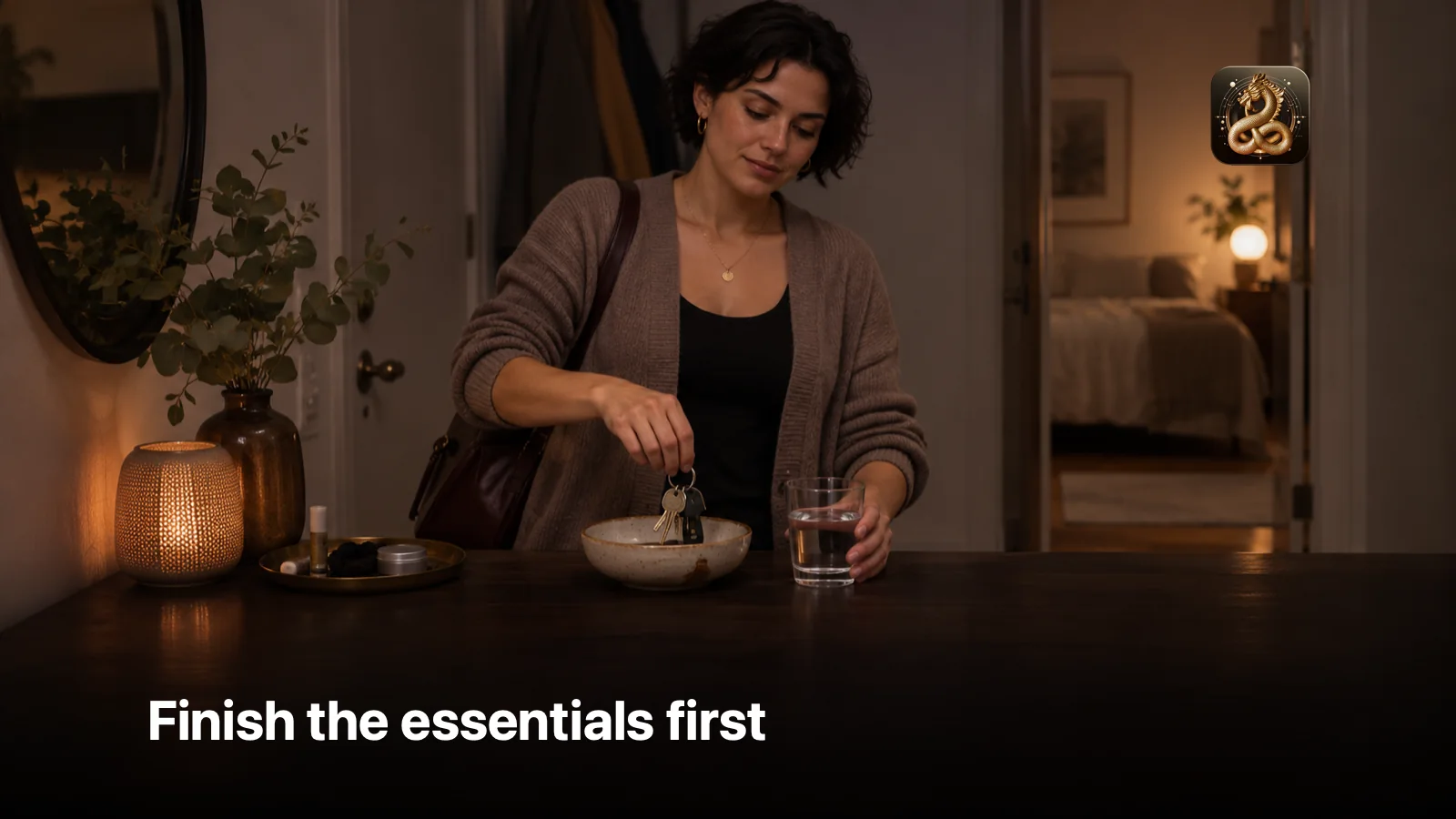
Start with what is still unfinished
After an evening out, the front door closes and the room goes quiet, but you may still be carrying the pace of the evening. You might want to put away leftovers, change clothes or let someone know you arrived. Name what needs doing now. If there is a decision you can leave until morning, put a reminder somewhere you will actually find it and leave the decision there.
An audio session can feel like another appointment if you start while those small jobs are waiting. Give the jobs a place before you choose whether to listen. This could be as simple as putting keys in their usual spot and setting an alarm once. The routine begins with the evening you have, including the parts that went differently from what you planned.
Choose the recording before settling in
Look for an opening you can follow without a long introduction. The title may say “sleep,” but it helps to check the length and the description. Some recordings tell a story, some offer a few simple invitations and others run for much longer than you want. Pick one whose first minute sounds useful to you tonight.
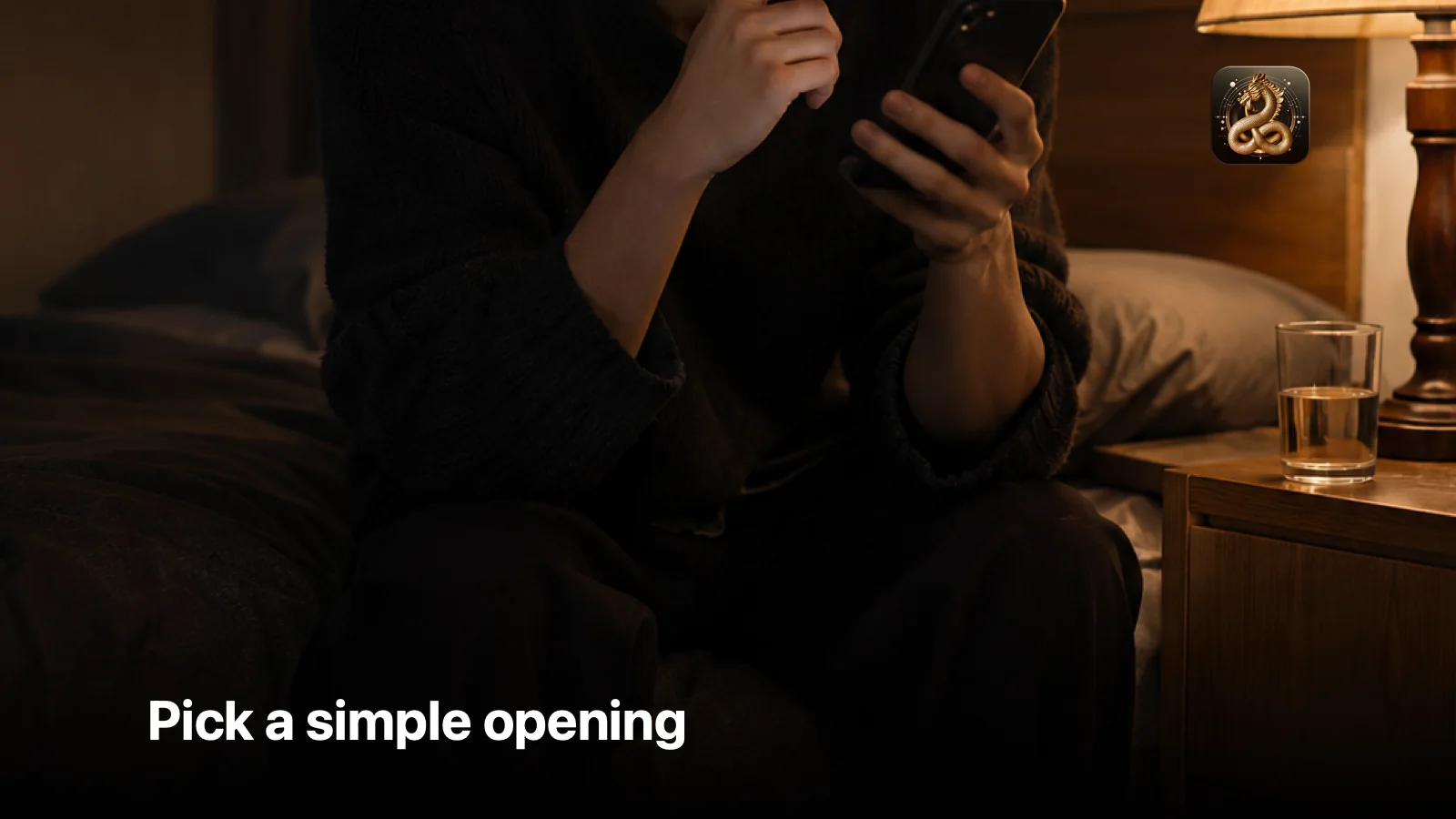
Leave the player somewhere you can reach if you want to stop. Set the level while you are still able to hear it comfortably. If the device might play something else afterward, check the next-item setting before you begin. In a shared room, choose a setup that fits the agreement you already have. If making that arrangement takes extra effort tonight, you can settle without audio.
Let the evening be present without replaying it
A song from the venue or a sentence from a conversation may come back while you listen. You can notice that you are remembering and then hear the next clear invitation. If the guide asks you to feel contact with a pillow or the mattress, try it briefly if that feels comfortable. If the next invitation feels complicated, let it pass.
The modest value of the guide is that it gives you something simple to follow while you make a transition. You may still be alert when it ends. You can set the device down and leave the question of how well it worked for later. There is little to learn from asking yourself every minute whether you are getting sleepy.
Choose one short option. If you have room for a little more guidance, preview the 10-minute sleep meditation. Check whether the pacing and instructions fit the evening you are having.
Two versions of the same late return
After a birthday dinner, Mira still wants to listen for a few minutes. She has already changed clothes and set the alarm. She selects a familiar practice with a quiet voice and a simple opening. A thought about the dinner comes up and she returns to the next sentence. When she decides she has heard enough, she stops the recording before the end.
After helping close a community event, Ren gets home much later than expected. Ren puts a borrowed container near the door for tomorrow and is ready for bed. Browsing a catalogue feels like one more choice. Ren puts the phone down without opening a track. The next evening, when there is more time, a longer practice may be welcome.
Decide in advance what to do if the audio becomes work
If you need to replay instructions repeatedly, the recording may ask more of your attention than you want tonight. Stop or choose a simpler one you already know. If a narrative makes you want to hear what happens next, you can save it for a time when following the story is the point.
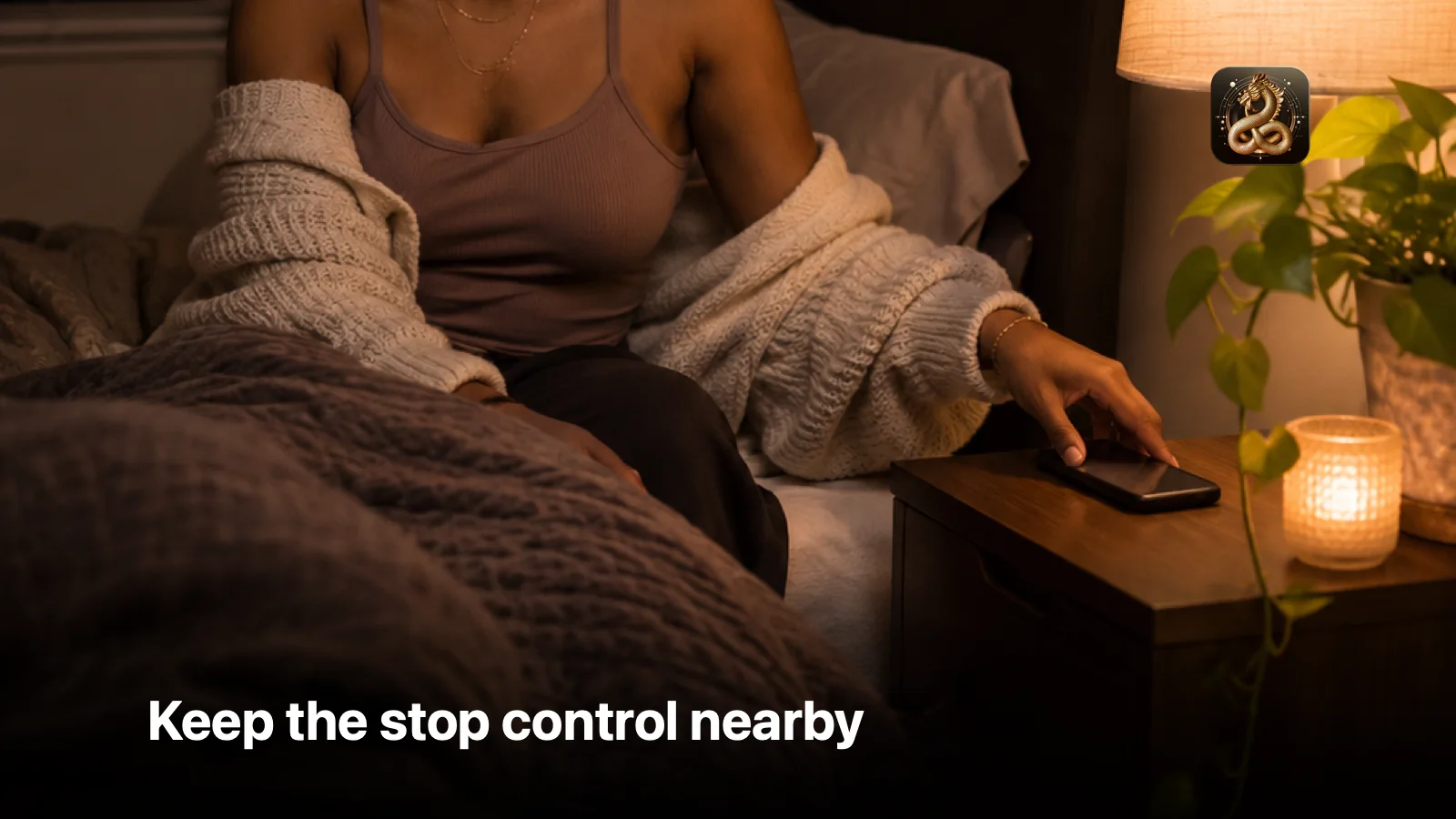
It can help to keep one familiar option nearby for occasional late evenings. Write down its title or save it in the player you already use. You can also keep a short alternative that involves putting the phone down, noticing how you are supported and leaving the day there for now. Keep both choices available. Your decision may change with the time, the room or what tomorrow requires.
Keep the plan small enough to use
For another late evening, decide which part would actually help. You might need a reminder to set the alarm before settling, or you might want to remember which track ends quietly. Change that one thing. There is room for a fuller evening ritual when you have time and want it.
Adapt the setup to the room. If you share a bedroom, consult quiet sleep meditation in a shared bedroom before trying an arrangement that changes what someone else hears.
Set a stopping point before you start
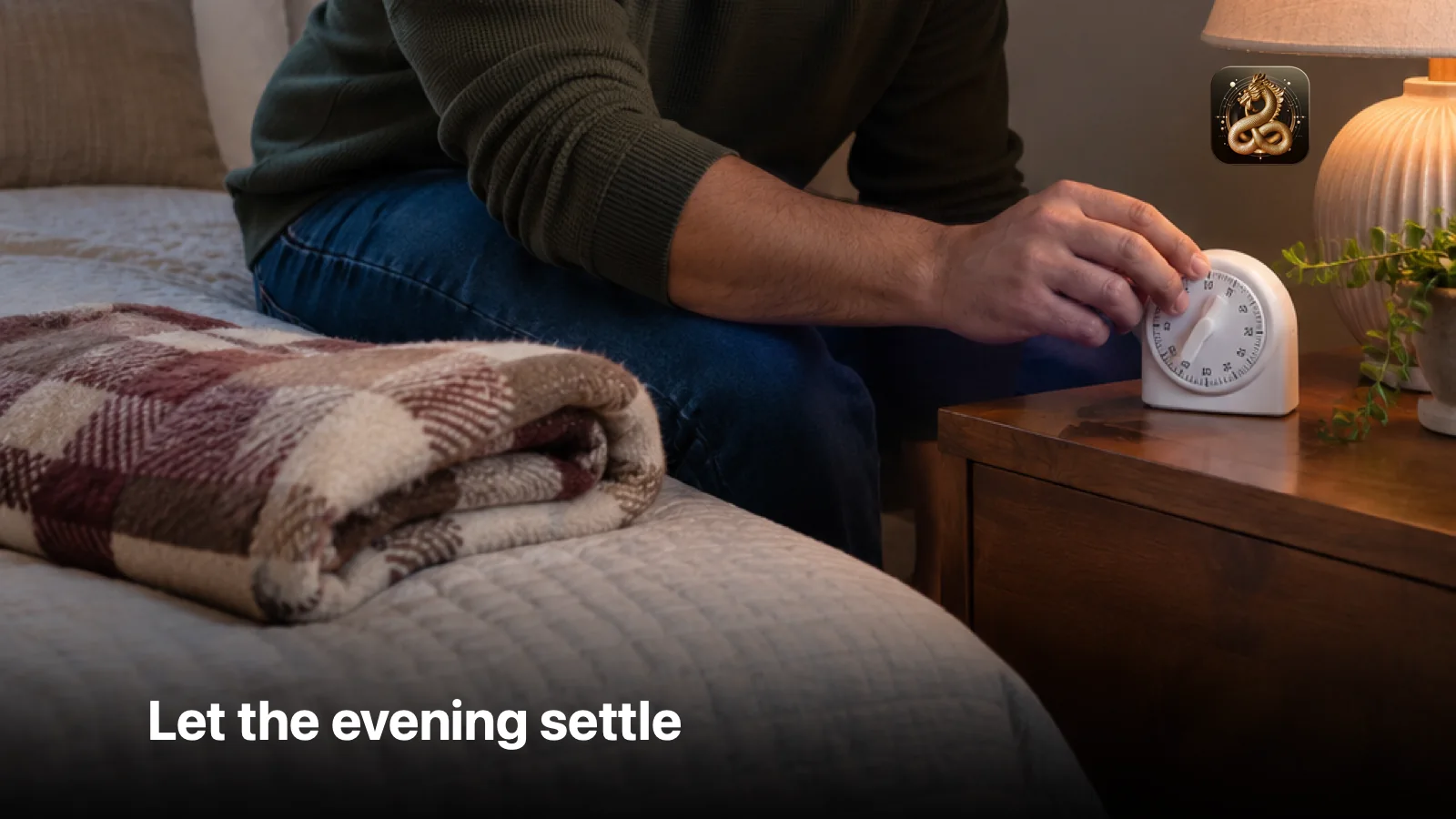
Decide how much of the evening you want to give the recording. That decision can be as simple as stopping at the end of a short track. If the player moves automatically to the next item, check whether you can turn that off. A clear ending makes it easier to set the device down without having to watch the time.
You can also choose to stop after the opening section. If a recording begins with an introduction you already know, you may only need the first few instructions. You are free to leave a track unfinished. The recording is a short part of the evening and does not have to become an activity you complete every time.
Before you press play, put anything you are likely to need within reach. That might be your glasses, a glass of water or the control for the light. A small amount of preparation can reduce the need to get up halfway through. If you prefer to do those things later, choose a position where stopping the recording is easy.
Choose a voice and pace that fit the room
A familiar voice can make choosing easier when you have already made several decisions that evening. If you want to try a new guide, listen to a short preview while you are still sitting up. Notice whether the opening makes sense at the speed you hear it and whether the background sound competes with the words.
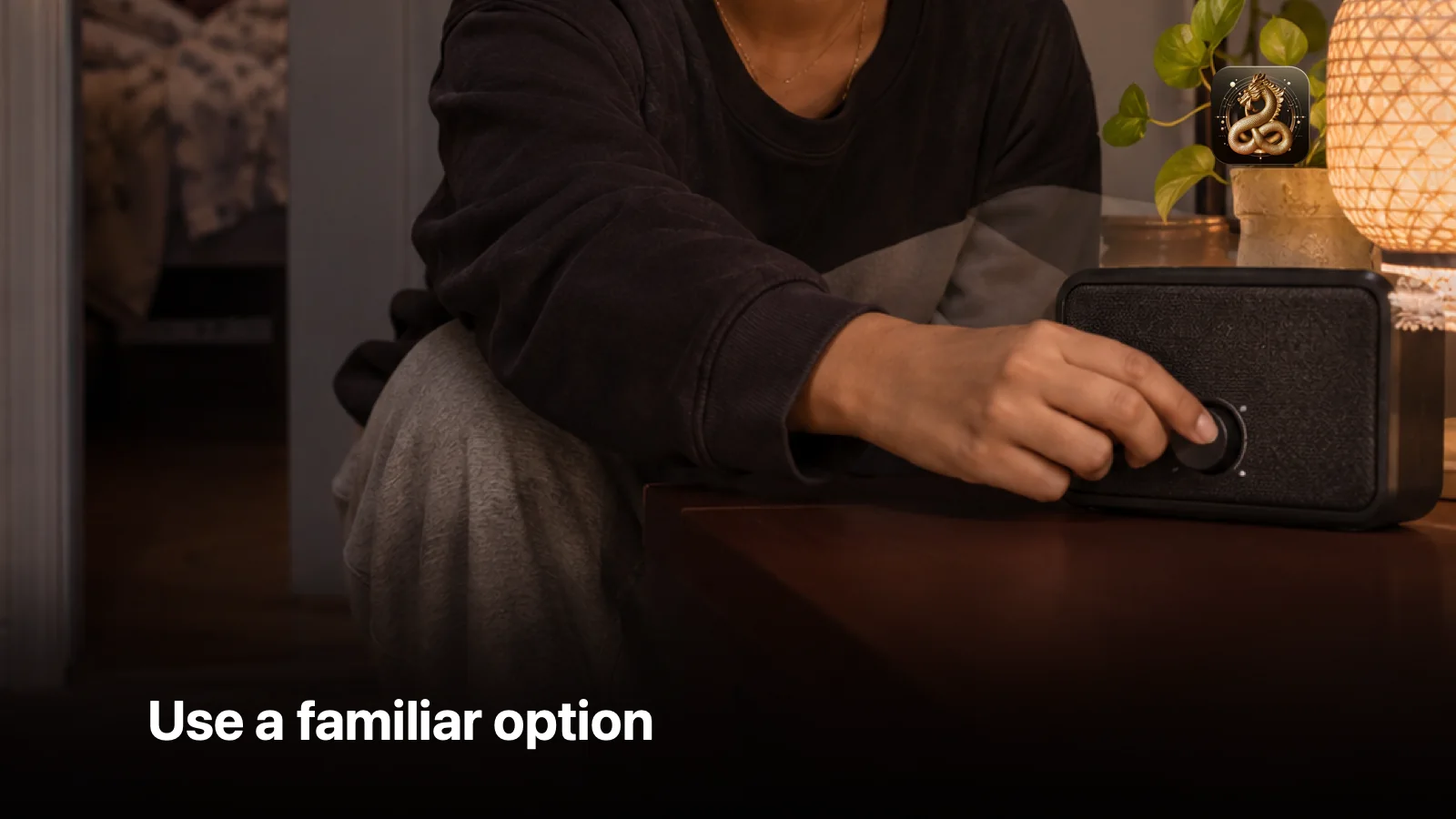
You might enjoy a voice that leaves long pauses on one night and find those same pauses distracting on another. There is no need to decide which type is best in general. Choose a recording you can hear comfortably in the place you are using. If you would rather listen without words, a quiet track or a moment with the player off is another option.
Keep the volume at a level that is comfortable for you. If another person is nearby, check what works for them too. You may be able to finish the evening without playing anything aloud. A routine that depends on finding perfect conditions can be harder to use than one with a simple quiet option.
Make room for thoughts about the evening
After a social evening, a conversation can come back to mind just as you sit down. You might remember something you want to follow up on or a detail you had forgotten. If it needs attention later, one short note can be enough. Choose a place where you can find it tomorrow and set it aside.
When the same thought returns, you can let it be there while listening to the next line. You do not have to settle the conversation or follow every word of the recording. If listening to the guide makes the evening feel busier, stop and decide what would make the next few minutes simpler.
Some evenings end with a change of plan, an unexpected journey or someone else needing something from you. A recording can wait while you handle what is immediate. When that is done, choose again based on the time and energy you have. It is reasonable to use a shorter practice or end the routine after your usual essentials.
Use the same small plan on another night
Think about what made the practice workable. Perhaps the track was easy to find, the first instruction was simple, or the ending made it clear when to put the device down. Keep one of those details for a future evening. There is no need to remember every instruction or keep a record of how quickly you fell asleep.
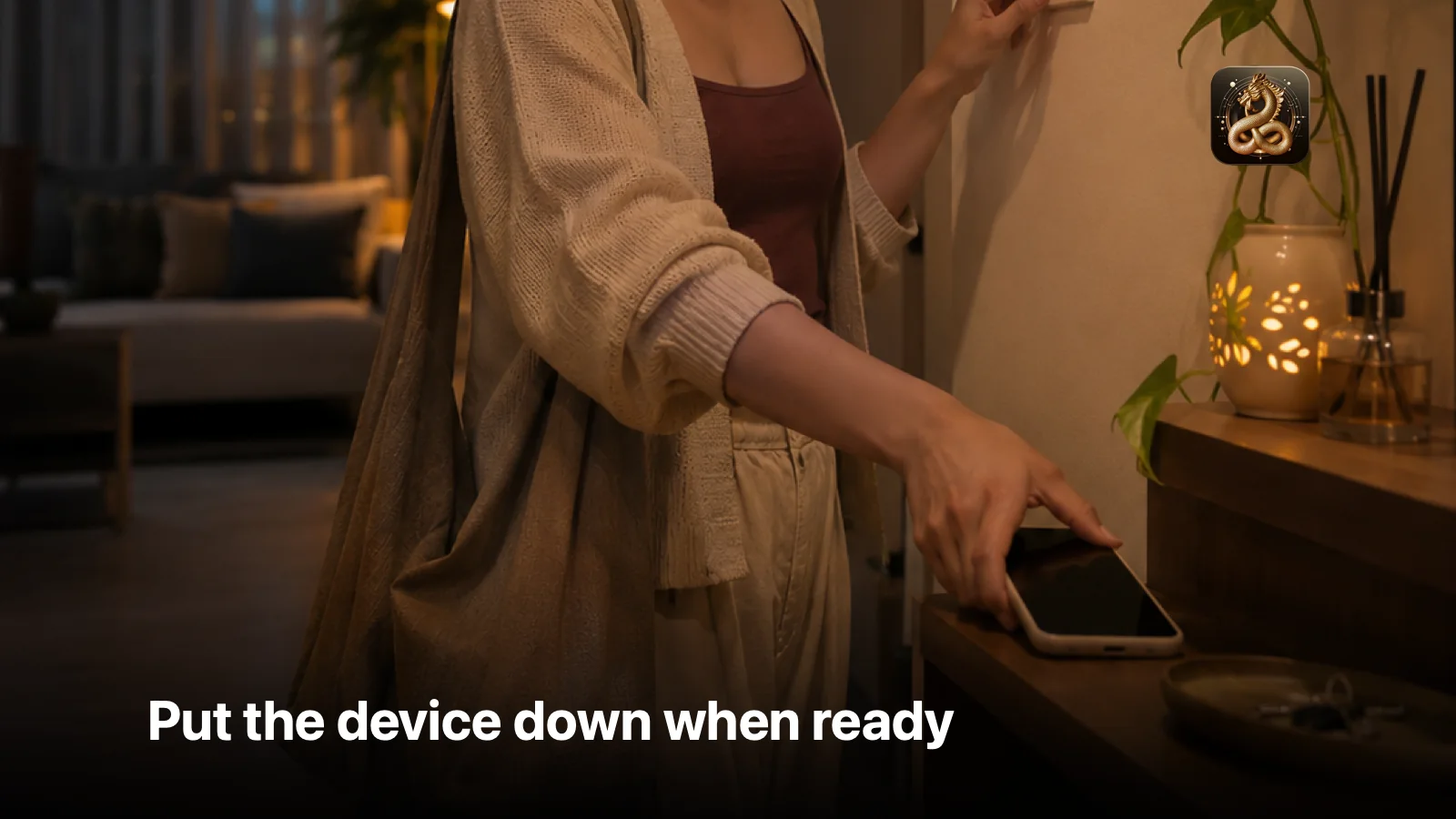
If the session did not fit, identify the part that got in the way. You may have spent more time choosing than listening, or found yourself adjusting the volume after the room was quiet. Set up a simpler option while you are alert and have time. A single saved track can be enough.
You can leave two options available for later: one short recording you know and one quiet step that needs no device. When you come home late again, choose between those based on the room and the time you have. Use the option that feels straightforward at that moment. If neither fits, finish the evening in the ordinary way.
If you come home with someone else, you can each end the evening differently. One person might want a few quiet minutes while the other is still putting things away. Ask whether there is a place you can listen without interrupting what they are doing. You can also wait until the room is quiet or leave the recording for another time.
On a night when the usual routine has already been cut short, choose one useful step and give it your attention. Put the keys away, set tomorrow’s alarm, or put the device on charge. Then decide whether a brief meditation still fits. The choice can be different on the next late evening.
Frequently asked questions
Do I need to do the whole meditation if I start?
Stop whenever you have heard enough. You can choose a different length next time based on how the opening and ending fitted the evening.
Should I choose the shortest recording available?
Choose for ease of use as well as length. A slightly longer track with a clear first minute may be easier to use than a very short track with instructions you have to figure out.
What if I am thinking about tomorrow?
If something needs to be remembered, leave yourself a brief reminder. Once you have done that, you can return to the guidance if you still want it.
What if I feel wide awake at the end?
Close the recording if you have had enough. It can serve as a transition whether or not you feel sleepy afterward.