
You can spend a little time looking at a picture without working out its message. A patch of colour, a repeated line or the space between two shapes can be enough to notice. You do not need art knowledge, a moving personal response or a confident explanation of what the artist intended.
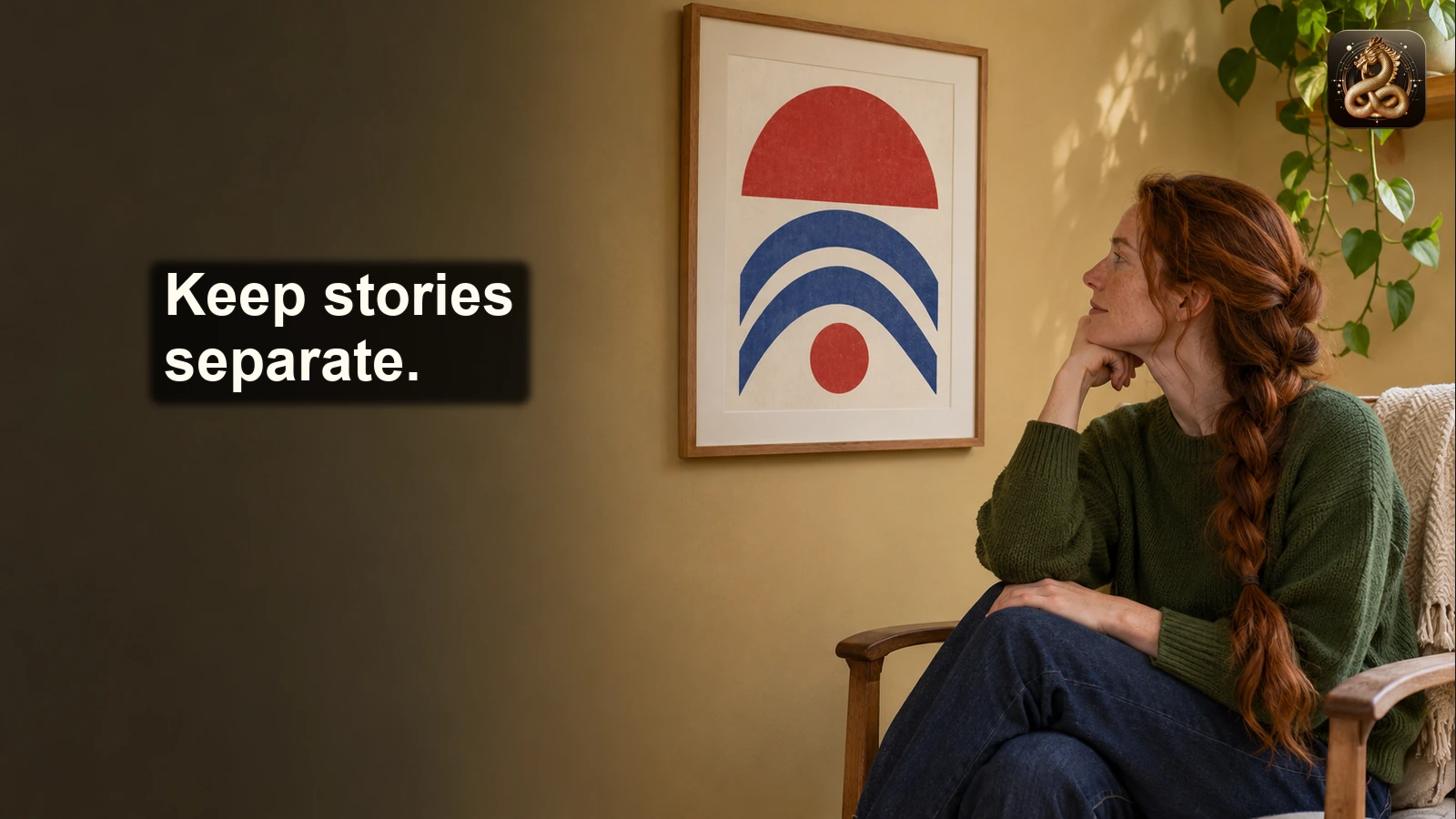
Mindful looking is a suggested way to give one visual experience some willing attention. It can happen with a public collection image, an ordinary print or another picture you are comfortable seeing. The practice is not an art test or a treatment. Its useful boundary is keeping what you can currently see separate from the stories you may naturally imagine.
Quick answer: how do you begin?
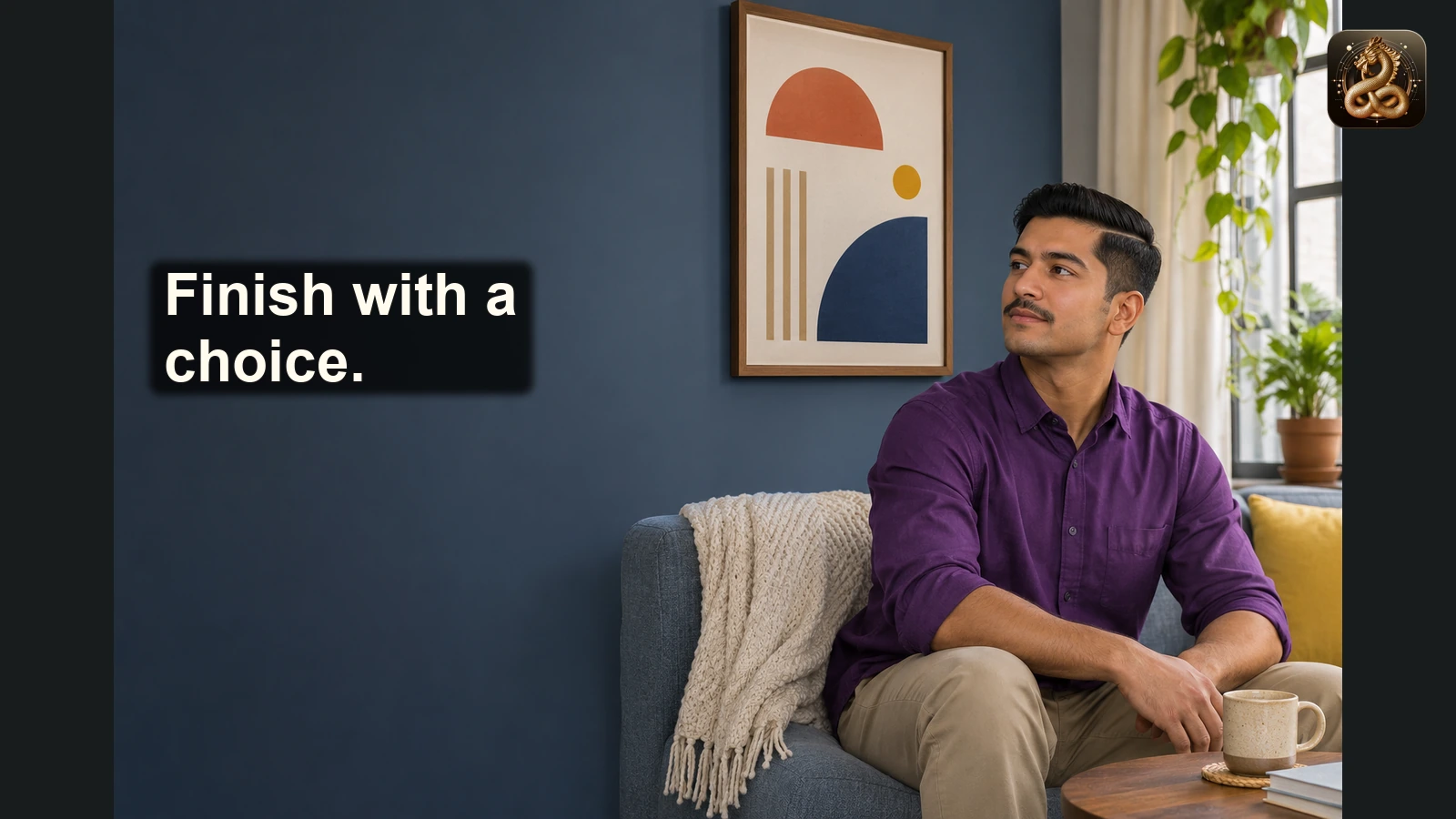
Choose one suitable picture, look from a comfortable position, and notice a few visible details without rushing to explain them. When a story or judgement appears, recognise it as a thought and optionally look again. You can finish after one detail or continue while it remains welcome. No interpretation, closed eyes, special gaze or particular emotional result is required.
Choose a picture you can willingly spend time with
Start with access and suitability. A freely viewable image in a museum's online collection can be a convenient option, while a familiar print may already be available at home. This guide does not require downloading or reproducing another person's work. Viewing an image and having permission to reuse it are different things.
Choose subject matter you are willing to encounter. Art can include disturbing, personal or culturally significant material. You do not have to prove openness by staying with an image you would rather leave. A simple still life or an abstract composition is an option, but neither category guarantees a particular response. You can change pictures or stop at any point.
Make the viewing arrangement ordinary and comfortable. Use a readable display size and avoid leaning forward just to recover tiny details. In a gallery, respect the space, seating rules and other visitors. At home, place the picture or screen where looking does not require holding an awkward position. The practice should not depend on tolerating physical strain.
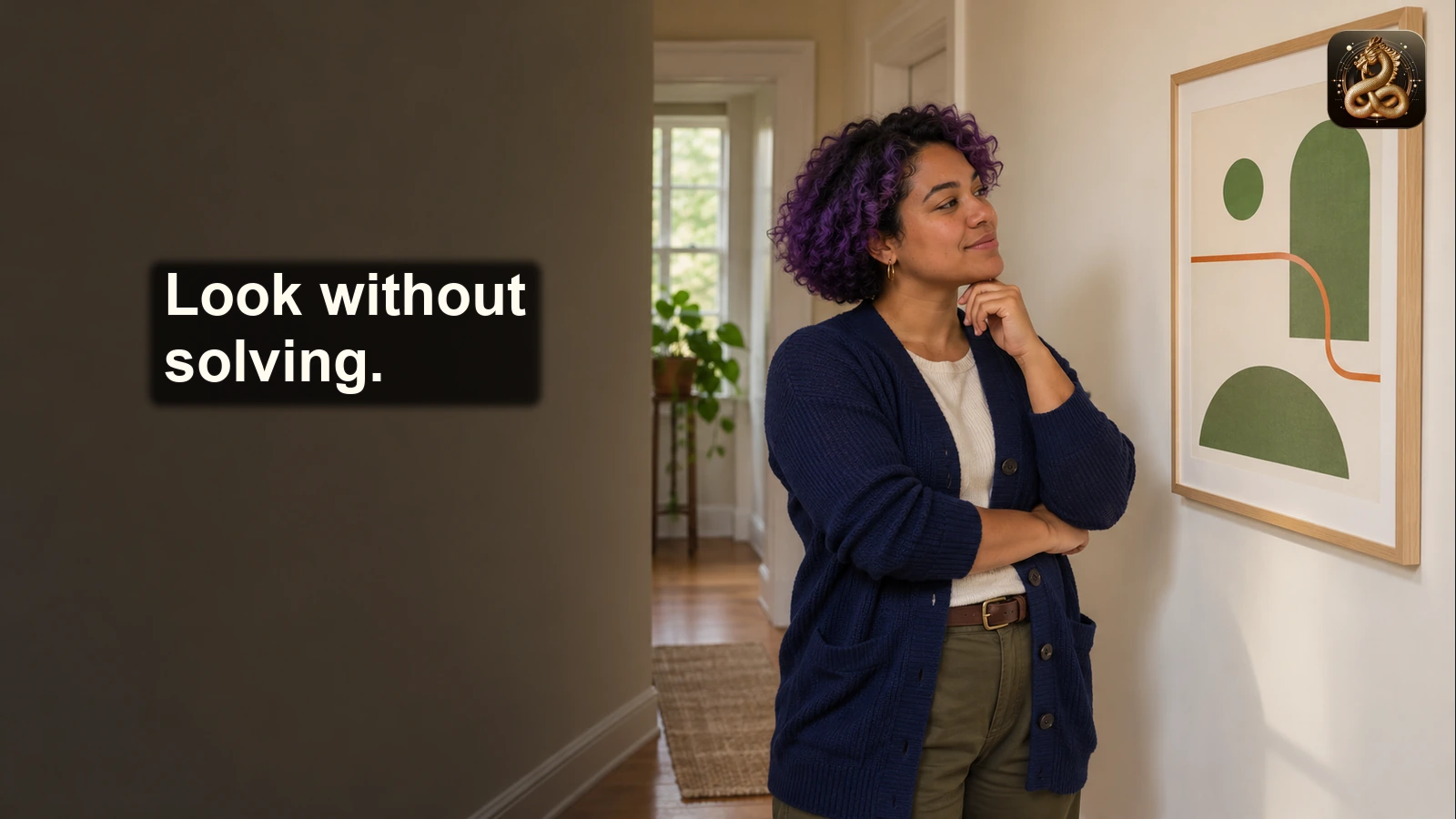
Looking is different from solving the picture
A title, label or remembered art lesson can quickly supply a story. You may recognise a style and feel you should know more about it. Those thoughts can be interesting, but they are not prerequisites for noticing. A viewer can see a pale area beside a dark one without deciding whether the contrast symbolises anything.
The National Galleries of Scotland offers open questions for looking at art and recognises that viewers can see things differently. Museum Wales also offers mindfulness activities around its collection, inviting visitors to engage in ways that suit them. These examples show museums supporting attentive engagement; they do not establish a guaranteed benefit from this particular exercise.
You can read an image label before, during or after looking, or not at all. If you want historical information, use the museum's actual account rather than treating your impression as a fact about the artist. The mindfulness task remains simpler: notice when you are describing a visible detail and when you are adding an explanation.
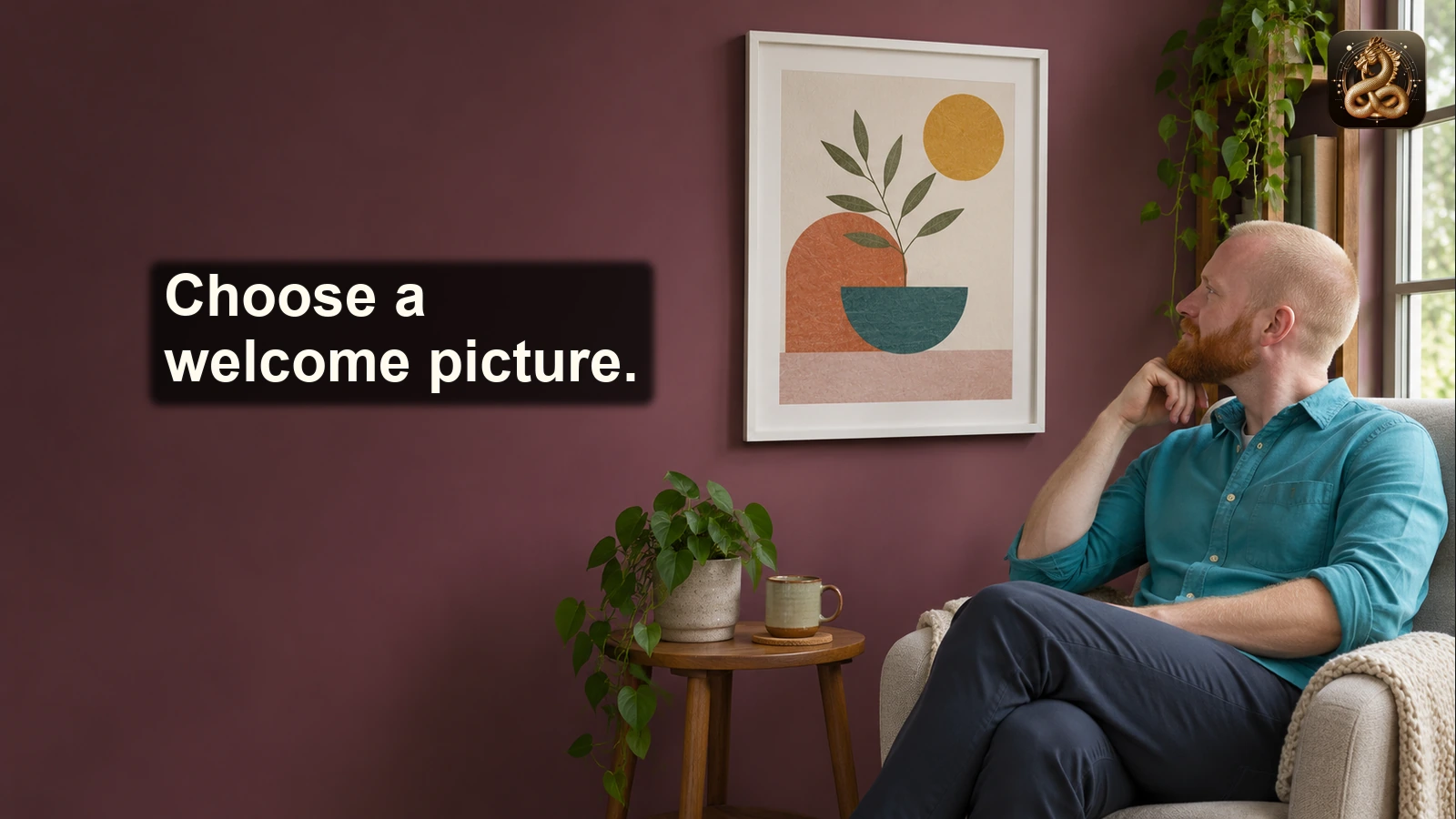
A practical plan for one viewing
First, choose one picture rather than a stream of thumbnails. Give yourself permission to leave it without finding everything worth seeing. An optional brief viewing period can help if you prefer an endpoint, but no duration earns a better result. You can finish when you have noticed something or when attention to the image is no longer welcome.
Second, let your eyes move in an ordinary way. There is no requirement to fix your gaze on one point or stare without blinking. Notice where you look first, then one other place your attention goes. Perhaps a bright corner attracts you, or a broad quiet area becomes more apparent once you stop searching for the central subject.
Third, describe a few available features in plain terms. You might notice an uneven blue edge, a repeated curve or a small object beside a larger one. You do not need poetic language. If a detail is unclear at the displayed size, leave it unclear instead of enlarging it repeatedly to force a certain answer.
Fourth, recognise the extra story when it arrives. A room may look lonely to you, or a figure may remind you of someone. You can acknowledge that response without claiming the picture proves loneliness or represents that person. Return to a visible detail if you want another look, or stay interested in the thought while remembering what kind of statement it is.
Finally, finish deliberately. Look away from the image and reconnect with your surroundings before your next activity. You can remember a single detail, keep no record, or read the museum's label out of curiosity. There is no need to write a review or turn a few moments of looking into a judgement about your ability to appreciate art.
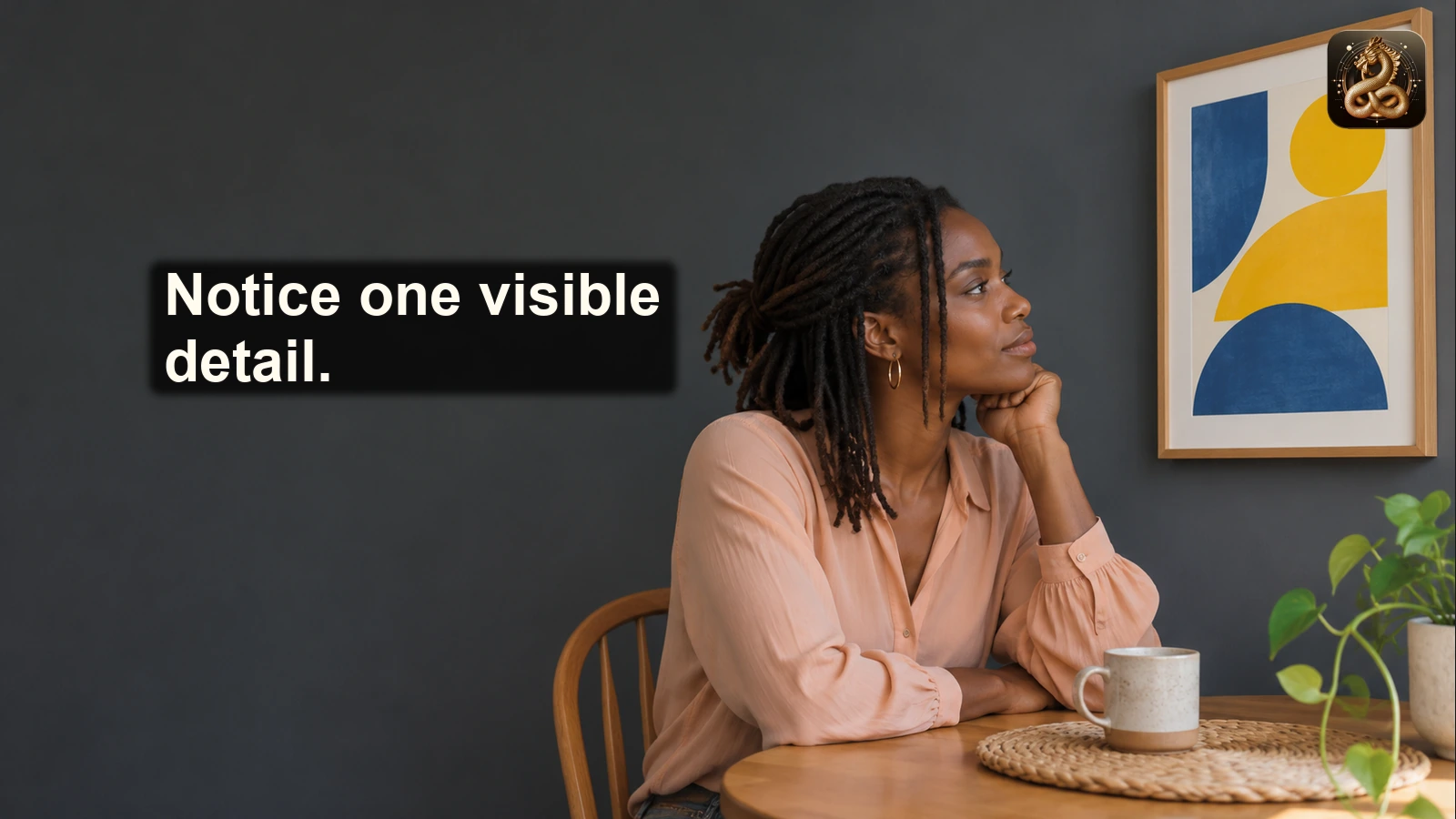
A fictional demonstration: Ellis looks at a simple print
Ellis is a fictional reader trying the exercise with an abstract print already hanging in the hallway. It has broad green shapes and a thin orange line. Ellis chooses it because it is available and not because an expert has identified it as especially calming. A comfortable chair provides an ordinary place to look without blocking the passage.
The orange line attracts attention first. Ellis thinks it must represent a path, then notices that this is an interpretation rather than information printed beside the work. Looking again, the simpler description is a thin orange line that changes direction near one edge. The interpretation can remain interesting without becoming a fact that needs defending.
Ellis next notices a pale gap between two green shapes. For a moment, there is an impulse to search for a hidden figure. Instead, Ellis allows the gap to remain a gap and decides that two details are enough. After looking around the hallway, Ellis returns to making tea. The print has not been solved, and nothing about that makes the attempt incomplete.
The example is deliberately modest. Another reader might notice different details, dislike the colours or prefer a photograph. The practice does not require agreeing with Ellis or reproducing the same sequence of attention. It offers a way to distinguish looking, interpretation and choice while leaving your own response open.
A table for keeping observations clear
The table shows possible visible details alongside interpretations that might follow. Neither column is a test. Interpretations can be welcome, and observations can be uncertain. The useful move is naming which kind of statement you are making, so a personal impression does not quietly become a claim about an artwork's factual meaning.
| Possible visible observation | Possible personal interpretation | A clear way to hold the distinction |
|---|---|---|
| A thin orange line changes direction. | It represents a journey. | The line is visible; the meaning is my interpretation. |
| A pale space separates two shapes. | The space feels lonely. | The space is visible; lonely describes my response. |
| A figure is turned toward a doorway. | The figure wants to leave. | The position is visible; the intention is uncertain. |
| A small detail is unclear on this display. | It must be a familiar symbol. | Leave the detail uncertain or consult documented context. |
What if you know nothing about art?
Lack of specialist knowledge does not prevent noticing a shape or a colour. You are not being asked to identify a movement, name a technique or explain symbolism. If you want to learn those things, a museum label or educational resource can help, but it is a separate activity from this suggested moment of looking.
If you recognise the image, you can choose whether to read its label now or return to it later. A remembered fact may guide curiosity, but it need not dictate the first detail you notice. This keeps an informed viewing from becoming a recital of what you already know.
If you are looking with another person, do not turn differences into a contest. One viewer may describe a small shape while another talks about a memory. You can ask what each person actually noticed without requiring a shared interpretation. Silence is also an option when conversation would distract from the kind of attention you chose.
For a related everyday practice, read our guide to meditation with eyes open at home. It addresses choosing a workable gaze, rather than interpreting pictures. Keep the tasks distinct: looking at art can involve moving your eyes, reading context or stopping, without becoming a fixed-gaze exercise.
Keep imagination, memory and evidence separate
A picture can prompt a remembered place or a fictional scene. Those responses are part of the experience, but they do not tell you what happened outside the frame. A painted figure's expression does not establish a diagnosis, and an unfamiliar object does not become a known cultural symbol merely because it resembles something you have seen.
When you want context, check one question with the museum's label or collection entry. For example, a date or named location may be documented there. Leave anything the source does not establish open. You can then return to looking rather than turn the whole exercise into a research session.
The same boundary helps when you use a personal photograph. Remembered context and details visible in a frame are different sources of information. If your aim is to record a memory in writing, that is a separate journaling task. This article does not ask you to reconstruct an event or fill a picture's gaps with a believable story.
Realistic uses without a promised result
Mindful looking may offer a concrete optional task when open-ended instructions to be present feel vague. It may help you spend time with a picture you normally pass quickly. Those are possible uses, not promises of improved focus, emotional healing or a better mood. An image cannot be selected as universally calming on your behalf.
Afterward, retain one practical preference if it helps: the display was large enough, a familiar print held your interest, or you would rather choose something else. That note can guide a future viewing without rating your sensitivity or turning your response into a promise for another person.
Explore SoulFul GLO's meditation articles to compare other clearly explained attention tasks. Choose by what you are willing to do and the setting you have. Looking, listening and touch can involve different choices; none needs to become the correct practice for every day.
Frequently asked questions
Do I need an important artwork or art knowledge?
No. Choose a picture you can access and willingly look at. Specialist knowledge can inform a separate learning activity, but this suggested practice only asks you to notice available visual details without requiring an interpretation.
Should I keep my eyes fixed on one point?
That is not required here. Let your eyes move ordinarily and use a comfortable viewing arrangement. You can blink, look away, change the image or finish. This is not a test of staring or visual endurance.
Is imagining a story about the picture wrong?
No. A story or memory can be part of your response. Keep it distinguishable from a visible observation or a documented fact about the work. You can enjoy an interpretation without claiming it establishes the artist's intention.
What if the image feels unpleasant or distracting?
Choose another picture, another focus or no exercise. You do not need to remain with unwelcome content to complete a mindfulness task. This guide does not prescribe exposure, assess your response or promise that continued viewing will change it.