You may have written an intention you want to remember and then gone several days without thinking about it. The words can still matter to you. They may simply be in a place you rarely look, or the reminder may arrive when there is nothing you can do about it. A reminder works better when it reaches you near a moment when a small action is possible.
Start with one action within your control. Then look for an ordinary event that already happens close to it, such as putting your keys down, opening a calendar, or setting a bag by the door. A short cue there can help you remember the choice you wanted to make. It gives you a prompt for action without asking you to predict how things will turn out.
Quick answer
Translate the intention into one small action you can take yourself. Pick a moment when the action is possible and place one reminder where you will notice it at that moment. Write the next step in plain words. Try it once and see whether you noticed it, understood it, and had a reasonable chance to act. Adjust the timing or wording if one of those parts did not work.
Separate the intention from the next thing you can do
An intention can describe a direction. You might want to make more room for creative work, keep better contact with a friend, or give yourself more time to prepare before a meeting. None of those fits neatly into a small reminder. The next action can be much narrower. Open the sketchbook. Send a message asking when the friend is free. Put one question at the top of the meeting notes.
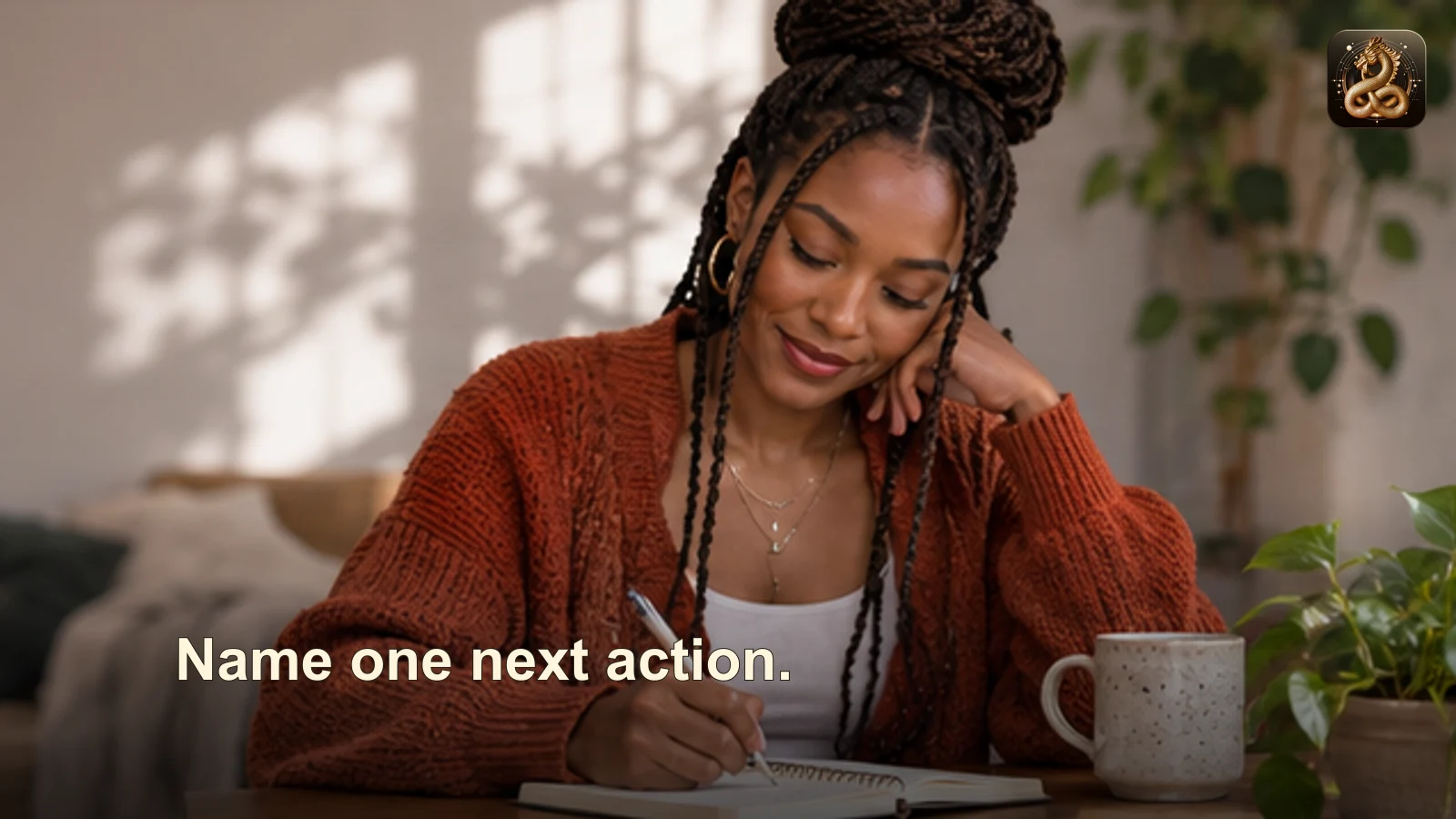
Choose an action you can begin without waiting for another person to say yes. You can send the invitation without controlling the reply. You can open a document and write a sentence without knowing how the finished work will be received. The reminder points to what you can start, while the intention explains why it is worth returning to.
Try describing the action so another person could tell when it was complete. “Make space for creativity” leaves room for interpretation. “Draw one small object in the sketchbook” gives you a clear stopping point. A concrete action can still be flexible. You might draw for longer if you want to, but you know what the reminder was asking when you first saw it.
Find a moment when the action fits
Think through an ordinary day. Where are you when the needed object is available? Do you usually have a few minutes then? Would someone else be waiting for you? If an action needs a notebook and a clear surface, a reminder that arrives on a busy street may do little. A cue on the shelf where you keep the notebook could meet you when the setup is available.
Look for something that happens even on days when your plans change. You might put your keys in the same place when you arrive, open the same work document before a call, or put a bag by the door before going out. If that event comes close to the action, use it as the moment to notice the cue. When an event is too irregular, a calendar prompt may fit better.
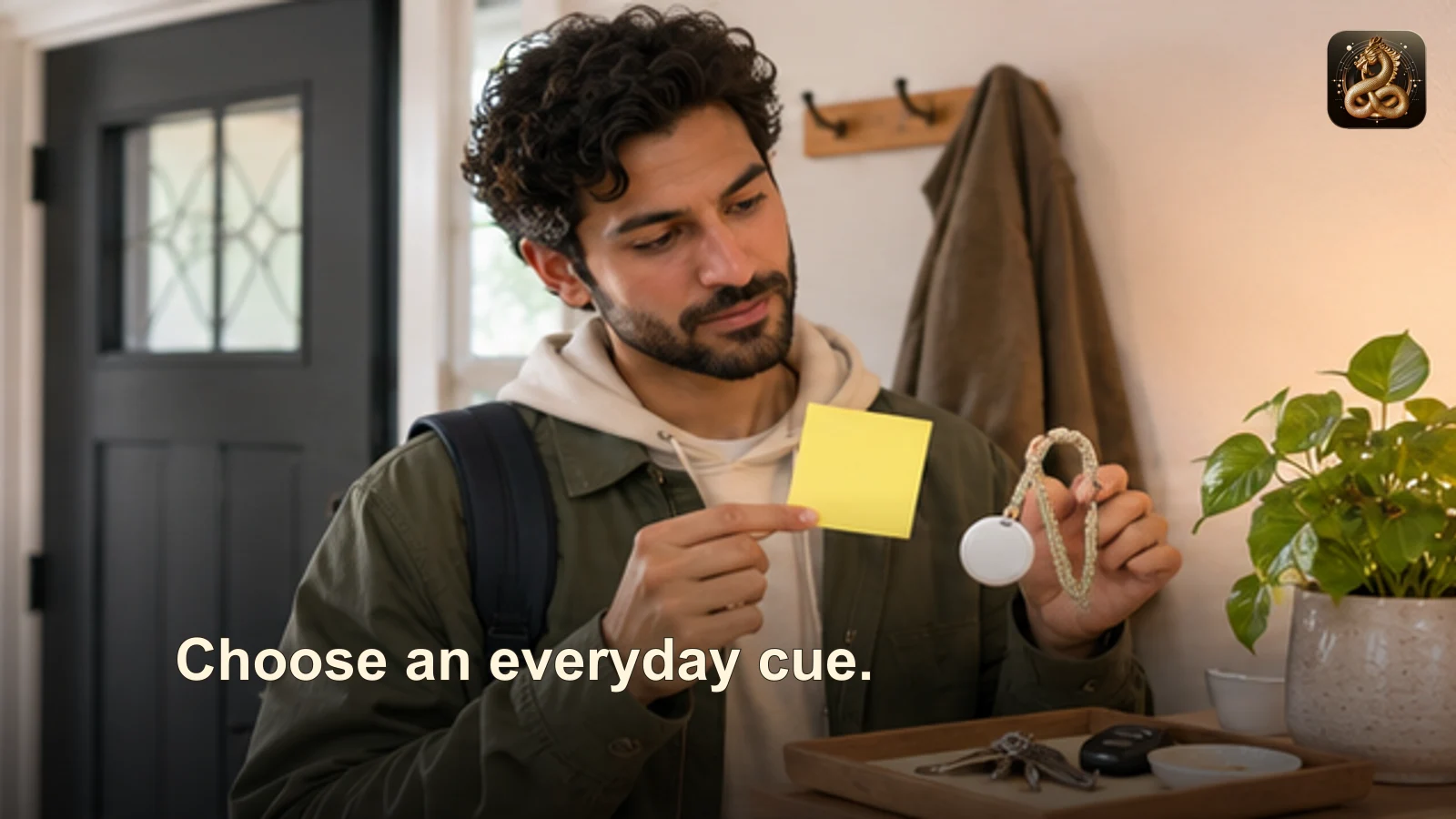
There is value in choosing the moment before choosing the reminder format. A physical note can be useful when you are already beside the object you need. A phone reminder can be useful when you are likely to be in different places at the same time. A reminder at the wrong moment may be visible and still leave you with no way to follow through.
Put the cue where your attention already goes
A small card can work beside a key tray if you look there when you arrive. A sketchbook can serve as a cue when you place it where you normally set a cup. An open draft can remind you to write a first line when you return to the desk. Use a location you already see and can keep clear enough for the cue to stand out.
Keep the reminder where it is appropriate to display. If you share a home or workspace, consider whether you want other people to see the wording. A neutral cue, a private note, or a reminder visible only on your device may be a better fit. You can keep the full intention in a journal and use a shorter instruction where other people might see it.
Notice the difference between placing a cue and placing the equipment. Sometimes the object is all you need. If you want to pack a water bottle before leaving, putting it beside the bag may work better than adding another note to the fridge. If the cue is an object, make sure you can tell what you intended when you find it. Otherwise, a few words can make the choice clear.

Write the reminder as a prompt you can use
A usable reminder starts with a verb and names the thing you need. “Open the budget sheet and enter one amount” tells you what to do when the message arrives. “Be more intentional about money” may be an honest statement about the direction you want to take, but it leaves you to choose an action each time you read it.
Keep the wording short enough to understand at a glance. If the action needs several decisions, choose the first one. “Pick one date to suggest” can work before “Send the invitation.” You might combine the two when both fit the moment, but the first reminder should make starting feel clear.
A prompt can also give you a useful fallback. You might write “Open the notebook. If there is no time, leave it on the desk.” That way the reminder can still help you set up another opportunity. Keep the fallback simple enough that it does not turn a small action into a list of obligations.
Test the cue in a real situation
Suppose you want to spend a little time drawing after work. You put a note on the front door, where you see it while carrying a bag and sorting out your keys. The note is visible, but there is no place to draw right there. Move the cue to the table where the sketchbook is kept and try again. The intention can stay the same while you change where the prompt appears.
For a digital example, imagine wanting to write one question before a recurring meeting. A daily reminder at noon may interrupt something unrelated. A calendar note attached to the meeting may reach you at a better point, provided you open the event before it starts. Check when you actually see that note. If you always open the event as the call starts, move the reminder earlier or place it in the notes you already use to prepare.
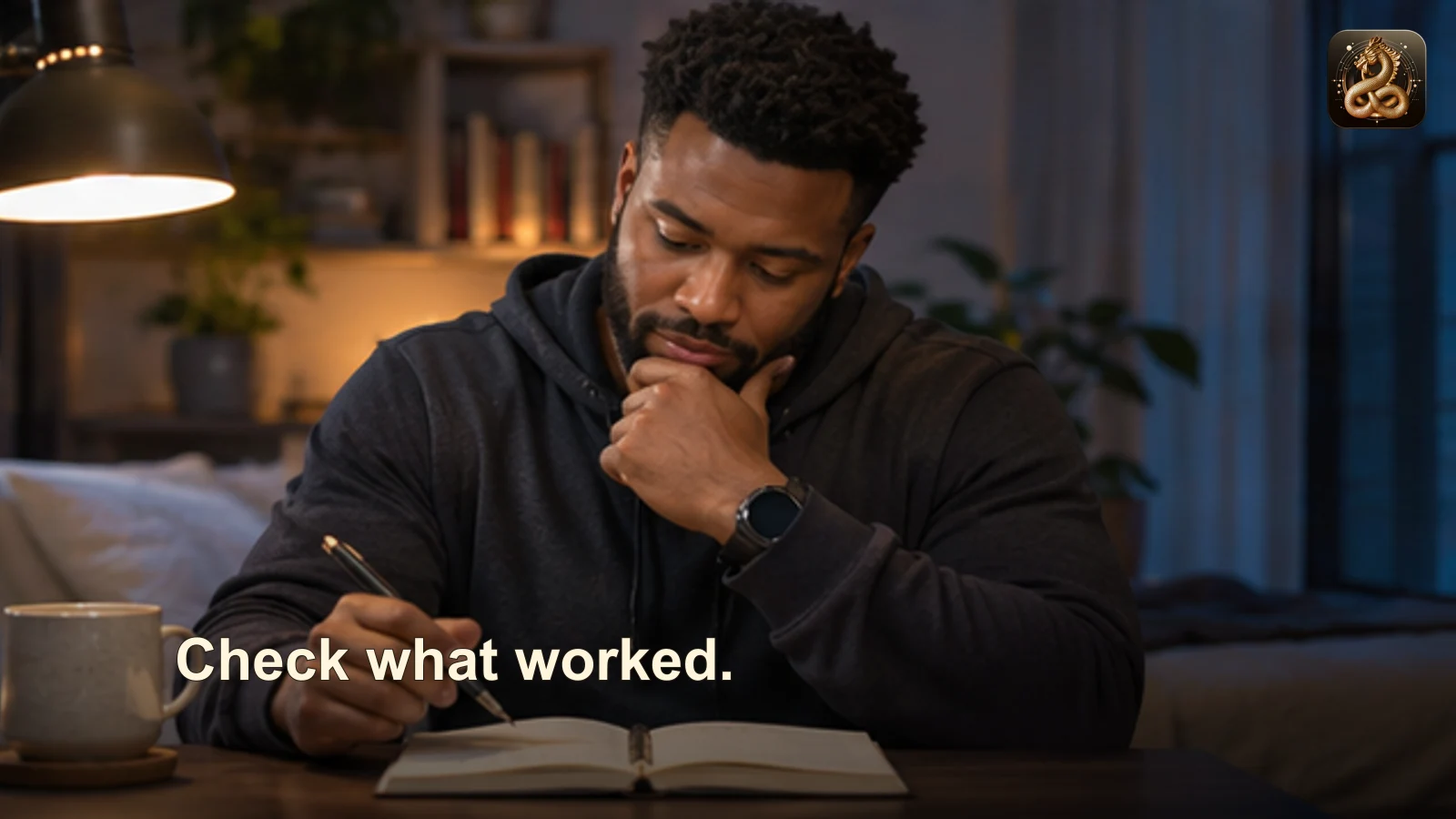
After the first trial, ask three separate questions. Did I notice the cue? Did I know what to do? Could I begin then? A missed cue calls for a different place or time. A confusing cue calls for clearer wording. An action that could not fit may need a smaller first step or a different moment. Change the part you observed rather than replacing the whole plan at once.
Clear away reminders that compete with it
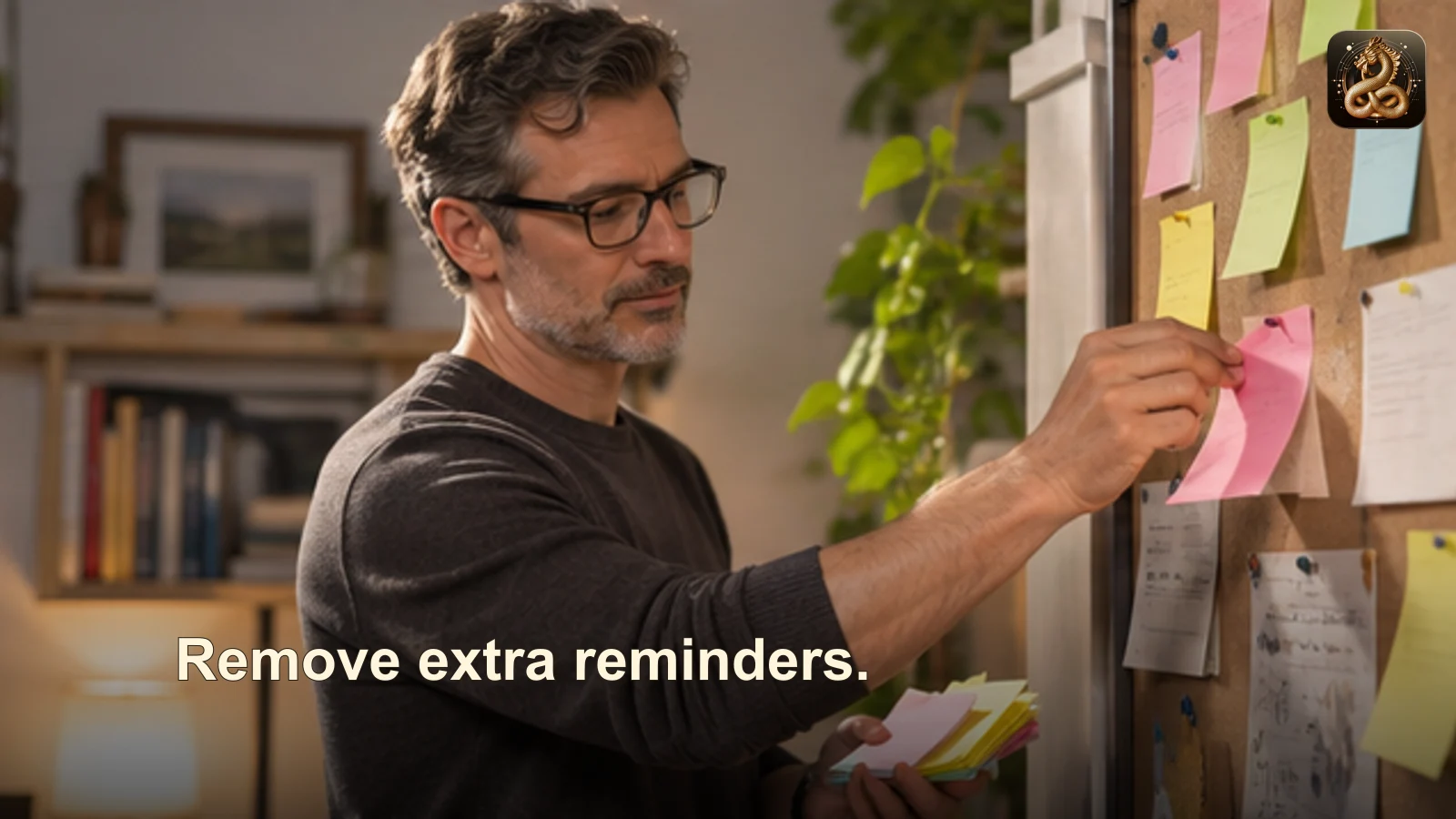
When several notes share the same surface, they can start to blend together. Take down reminders you have finished or no longer intend to use. If you use notifications, consider whether the prompt arrives among other alerts that usually demand quicker attention. A single cue in a quieter place may be easier to recognize.
Revisit a reminder if you see it often and rarely act on it. It may have become part of the background, or the action may no longer fit what you want. You can remove it and choose a new cue when the need is clearer. For a broader look at what you still want to pursue, see the weekly manifestation intention review. The immediate check here is whether one cue gives you a usable next step.
A reminder can also finish its job. If you have already sent the message, move or remove the cue. If you have developed a routine you remember without it, you can see what happens when you put the reminder away. Decide when to use another one based on the action you want to take next.
If tomorrow is unusual, choose an action that belongs to that day or try the reminder on a more ordinary one. A cue by the door can tell you little on a day when you never leave. If you test it when the relevant event occurs, you can judge whether the placement helped. A useful test needs the opportunity the reminder was designed for.
Frequently asked questions
Should I repeat the whole intention in the reminder?
You can keep the full intention somewhere you want to read it. For a quick prompt, the specific action is often enough. Choose wording that tells you how to start at the moment you see it. A few words about why it matters can help if the action otherwise feels disconnected.
What if I see the reminder but cannot act?
Look at what made the action impractical. You may need the reminder at a different time, or the first step may be too large for the moment. If it is a one-off interruption, keep the cue for another opportunity. If the same thing happens again, adjust the setup.
Can I use more than one reminder?
You can, but begin with one so you can tell whether it helps. If the action needs two distinct moments, such as preparing an item at home and using it at work, separate cues may make sense. Give each a specific job.
Does the reminder mean the intention will happen?
The reminder can help you notice a chance to act. It cannot determine another person's response, change circumstances you cannot control, or guarantee an outcome. Judge it by whether it made your next action easier to remember and begin.
Choose tomorrow’s cue
Name one action you would like to take tomorrow. Look for the place and moment where you can realistically start it. Set one prompt in plain language and give yourself a chance to see how it works. If your plans change, notice whether the reminder still arrives somewhere you can use it.
After you try it, keep the cue only if it helps. A good reminder gives you a practical choice in an ordinary moment. Once the action is complete, you can put the cue away or decide what you want to do next.