
Two sound options can appear in the same search results while asking very different things of you. One offers a continuous background intended to make other noises less noticeable. Another invites you to listen to a recording as it unfolds. Before comparing their labels, decide what you want the sound to do.
This guide separates background masking from an optional sound-journey attention practice. It includes a small decision table and a fictional example you can adapt. It does not recommend a treatment for insomnia, prescribe an overnight audio routine or promise that either choice will make you relaxed or asleep.
Quick answer
Choose a background arrangement when your intended task is to make an environment's other noises less noticeable. Choose a listening practice when you want to attend to audible sound and optionally return when attention wanders. White noise and a sound journey are not interchangeable guarantees about sleep or wellbeing. Check the actual resource, keep playback appropriate, leave important signals available and stop when sound is uncomfortable or unwanted.
Start with the job you want the sound to have
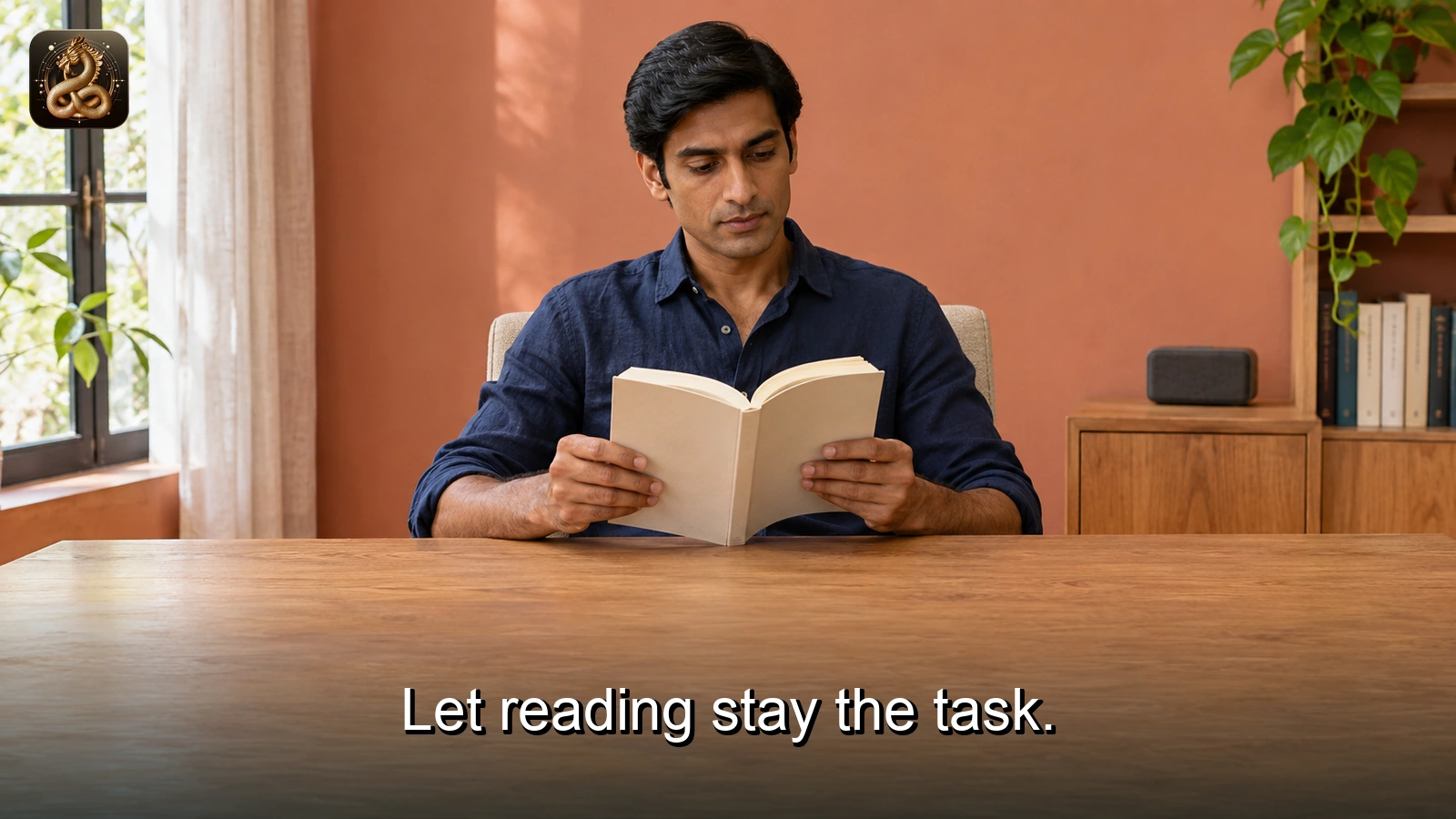
Imagine sitting down to read an ordinary book. You may want a background that makes an intermittent corridor noise less noticeable while your attention stays with the book. In that arrangement, the sound is not the main object of the activity. Reading remains the task.
Now imagine choosing a recorded sound journey for a listening pause. You may want to notice a changing layer, the end of a phrase or the sound as a whole. When a thought takes over, you can recognise it and return to what you hear. Here, attending to the sound is the chosen activity.
Those are examples of different intentions, not competing levels of practice. A person can prefer one arrangement on one occasion and another later. You do not need to call background audio meditation to justify using it, or treat attentive listening as the proper use of every recording.
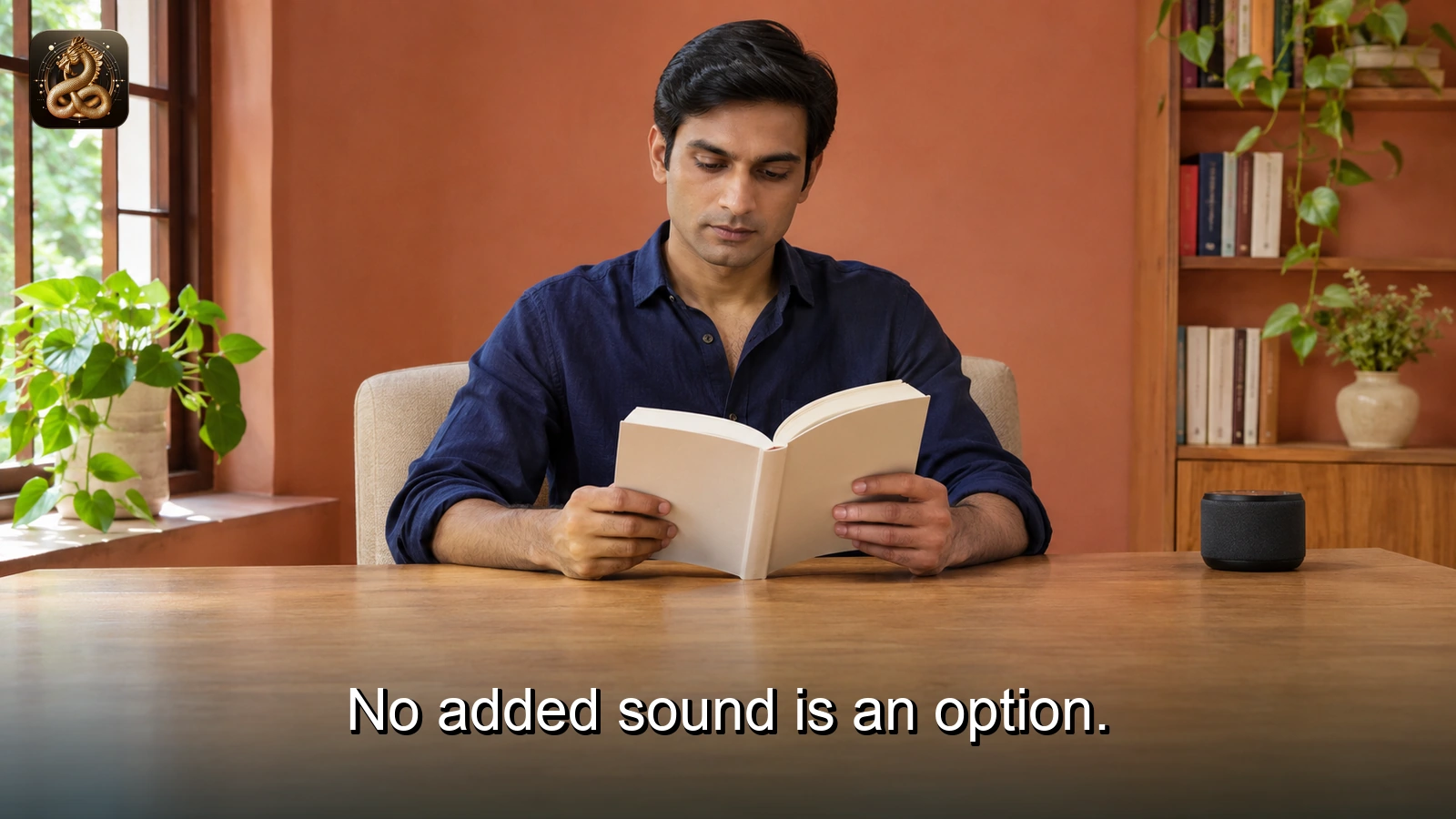
A sound can also fail to fit either purpose. A continuous recording may keep drawing your attention away from reading; a changing recording may be more than you want for a pause. You can choose no added sound without completing a comparison or finding a substitute.
What the masking example actually supports
CDC's NIOSH shift-work training for nurses discusses a fan or white-noise machine as a way to camouflage other noises in a sleep environment. That is a specific example of a background purpose within occupational training. It is not evidence that every white-noise track produces sleep for every listener.
Keep the resource's context visible. A suggestion about an environment does not establish an effect from the particular file, device, level or duration you are considering. This article uses it to explain the masking intention, without turning it into a universal listening prescription.
A label alone may also leave important details unknown. A file called white noise may contain a loop, an introduction, interruptions or a sound you do not expect. Read the actual description and use a preview where one is genuinely available. Leave the resource if its contents remain unclear.
There is no need to learn audio engineering to make the first decision. You can ask whether you want the sound in the background or want listening itself to be the activity. Technical names are less useful when they distract from that practical question.
What an attentive sound journey asks you to do
For a listening practice, choose a recording whose actual contents and presentation you are willing to follow. Settle in a suitable place for an ordinary pause. Keep controls available and leave breathing natural; this guide adds no required posture, breath count or special preparation.
Attend to something audible. You might notice a sustained layer, the transition between sounds or the recording as a whole. Avoid turning the task into identifying every instrument or predicting the next event. You can use a broad listening focus when selecting a single detail feels fussy.
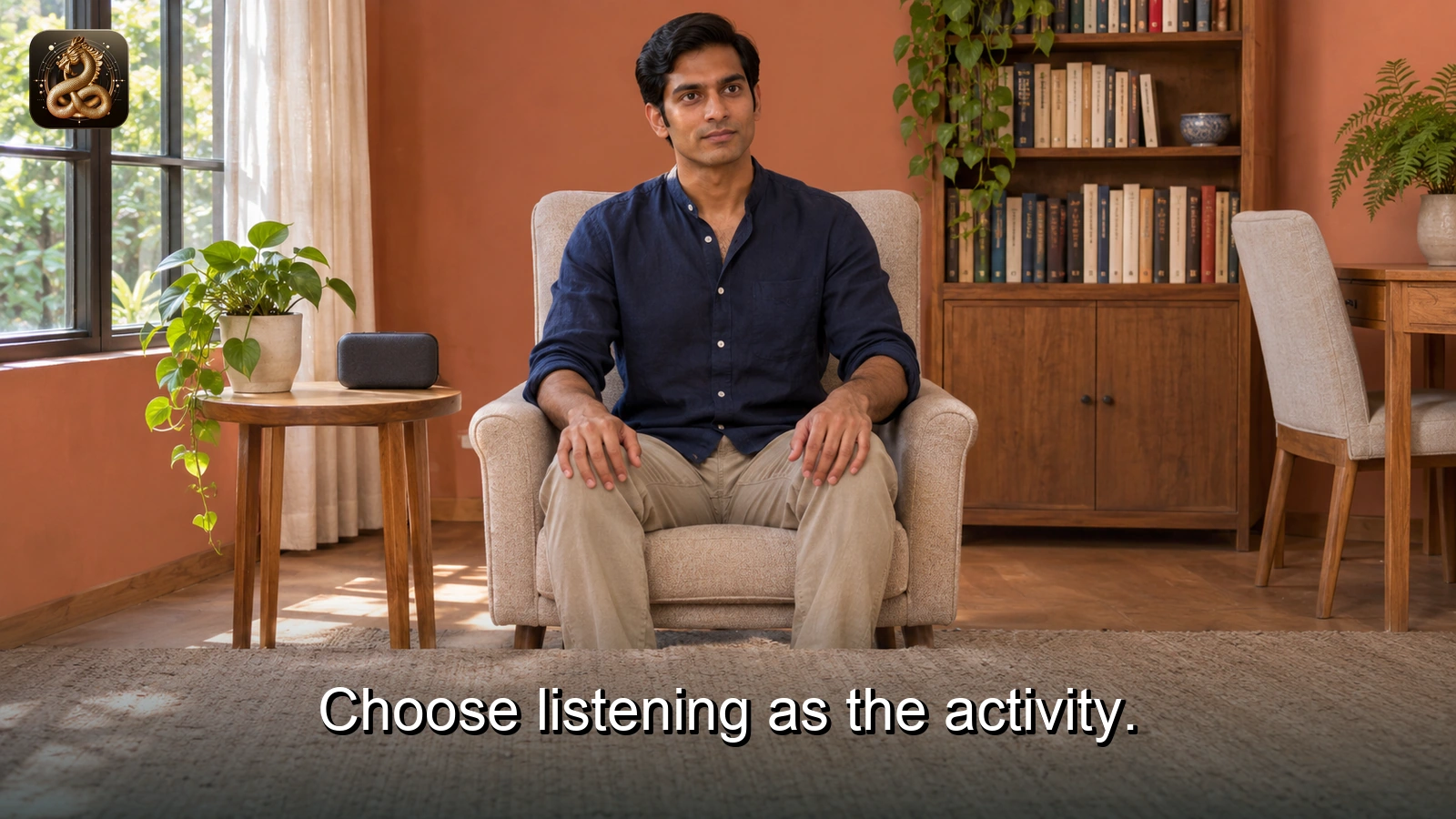
When your attention moves to a plan, memory or judgement, notice that movement and decide whether to return. The recording can remain a place to attend without producing a particular mood. If you would rather stop, pause the playback and return to the next activity.
A sound journey may be changing, familiar, sparse or complex. Inspect the actual item rather than assuming its category establishes those features. This guide does not claim that every recording has the same instruments, pacing, spoken content or available controls.
A decision table for this occasion
Use the table to identify your intended activity and a practical next step. The rows offer choices, not a sequence to complete. You can choose one row and leave the rest, including the option to use no added audio.
| Intended activity | Role of added sound | Optional first check |
|---|---|---|
| Read or do a quiet ordinary task | Background rather than main focus | Does the actual sound stay welcome? |
| Take an attentive listening pause | Sound is the object of attention | Do I understand the recording's contents? |
| Remain available for a responsibility | Necessary signals take priority | Would added sound make them less noticeable? |
| Neither arrangement appeals | No added sound | Continue without beginning a comparison. |
A small plan before pressing play
First, name the activity in ordinary words. “I want to read while this stays in the background” and “I want to spend a short pause attending to sound” describe different jobs. Keep the sentence close to what you can choose rather than predicting sleep, concentration or emotional change.
Second, check the actual setting. Added sound may affect another person or make a relevant signal less noticeable. Choose an arrangement that keeps responsibilities available. An attention practice does not belong while driving, crossing roads, using equipment or doing another task that needs vigilance.
Third, identify an ending you can use. For a listening pause, that can be finishing when the time available ends or stopping earlier. For a background arrangement, decide when to turn it off rather than letting playback continue simply because it can. This guide supplies no prescribed duration.
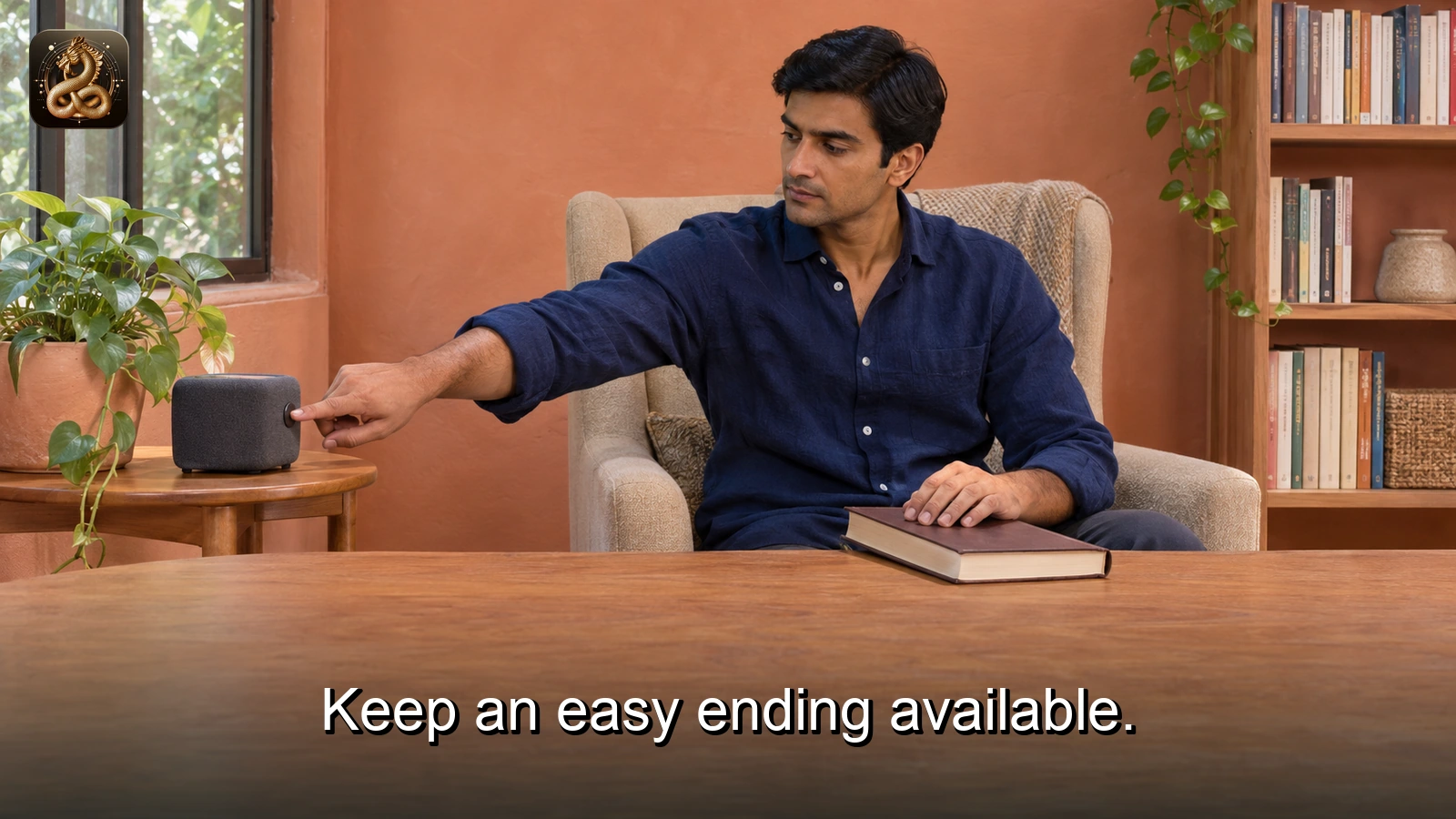
Fourth, make the first choice small. You do not need to buy a machine, compare every sound category or begin an overnight experiment. A suitable resource you already understand may be enough to decide whether this arrangement is welcome for the present activity.
Finally, leave a simple no-audio option. You can continue the book without adding sound, postpone a listening pause or choose another setting. Planning an alternative can prevent a minor preference decision from expanding into a long search for the perfect recording.
A fictional demonstration: Arun separates two tasks
Arun is an invented adult with a book to read at home. He is considering a continuous background recording and a sound journey. He initially assumes that whichever one has the most relaxing title must be the better choice for both reading and meditation.
He changes the question. For this occasion he wants to read, so he checks a background option's actual contents and considers the needs of the other person sharing the room. He keeps an easy way to stop it. The example makes no prediction about whether his reading or mood will improve.
After a brief attempt, he notices that he keeps attending to the added sound. He turns it off and continues reading. That observation describes the fit of this arrangement at this moment. It does not prove anything about his concentration or establish that all continuous background sounds are unsuitable.
On another occasion, Arun chooses a sound journey because listening is the activity he wants. He notices the recording's opening and later realises he is planning dinner. He optionally returns to what is audible, then finishes when he wants to move on.
The contrast is about the task he chose, not a contest won by one recording. These are fictional choices, not customer outcomes or a demonstration of a sleep benefit. Another reader could dislike both options or choose a different resource.
The simpler version is one question before playback: “Will this be background, or am I choosing to listen?” If neither answer fits, leave the audio out. Adapt the plan to the actual situation, with permission to stop before or during an attempt.
Explore a clearly described listening option
Explore SoulFul GLO's beginner sound-journey guide if you want to understand that listening activity before choosing a resource. Read the current recording descriptions and choose what you are willing to hear. A category label supplies no guarantee about an individual response.
Keep sound level and duration in view
NIDCD's hearing-loss information explains that sound can be harmful when it is too loud, including through long exposure. Level, duration and distance matter. A recording described as peaceful does not certify the exposure produced by your device and settings.
Avoid repeatedly raising playback to compete with the environment. If the arrangement requires uncomfortable sound, turn it down, change the situation or leave it out. This article gives no universal volume percentage because that setting alone does not tell you the actual exposure.
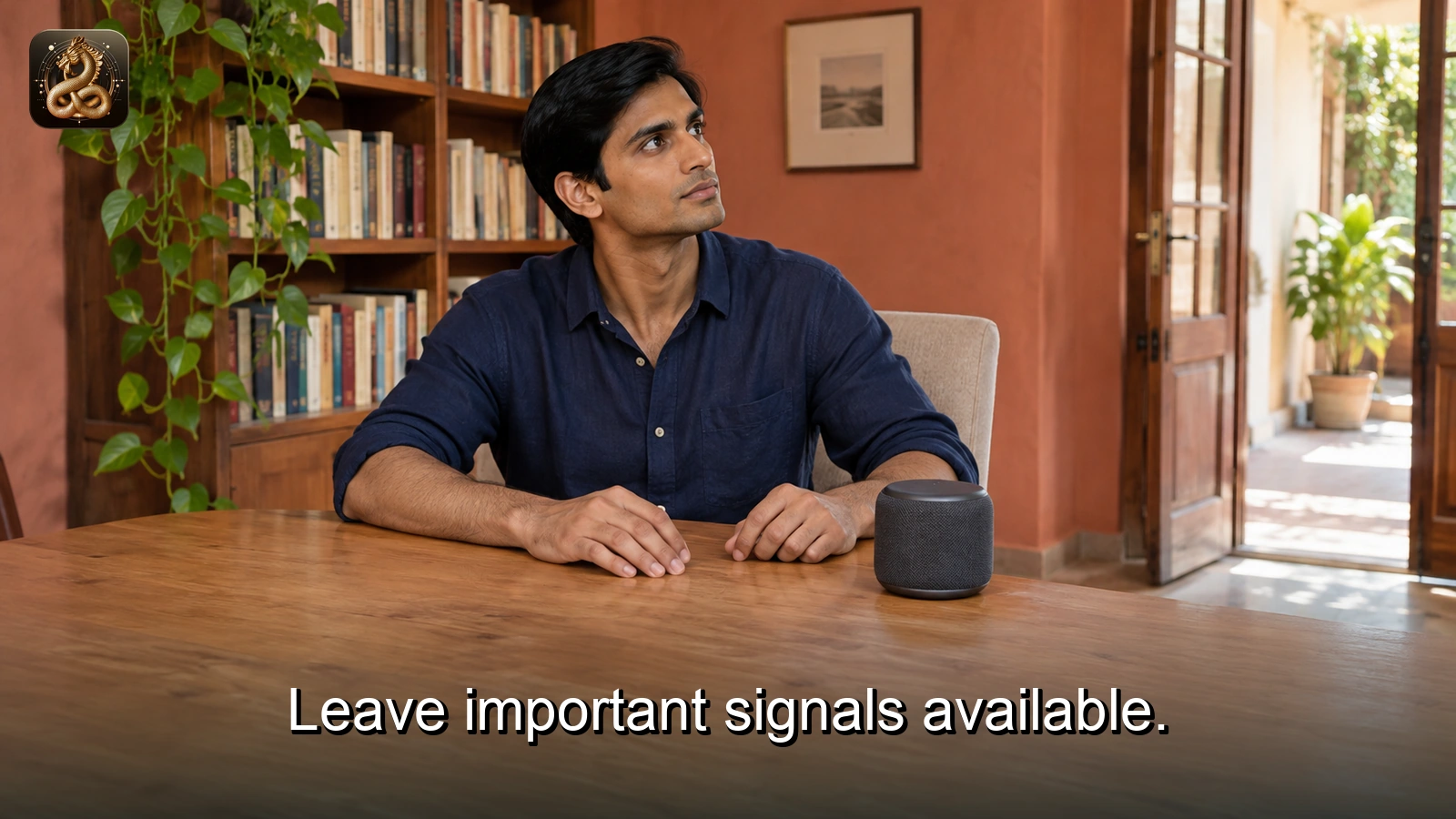
Keep necessary alerts and responsibilities available. Background masking is not an instruction to make every surrounding sound inaudible. Consider what you need to notice before using audio, including the needs of other people who share the space.
A technical playback problem is a separate question. A loop, abrupt interruption or unavailable control can make a resource inconvenient for your purpose. You can stop rather than spending the rest of a pause troubleshooting or treating the problem as a failure of the practice.
Avoid converting a preference into a treatment claim
You might like one arrangement and choose it again. Describe the practical observation: the sound stayed in the background, the recording was easy to follow or you preferred no added audio. Those observations can guide another choice without explaining every change in how you felt.
A single occasion cannot establish why you later slept differently or felt more settled. Other circumstances also change. Keep a personal preference separate from a claim that the sound treats insomnia, anxiety or another condition. Seek appropriate professional help for health concerns instead of using a recording comparison to diagnose them.
If your actual choice is between enjoying a familiar song and attending to a sound journey, SoulFul GLO's retained comparison addresses that different decision. Here the distinction concerns an environmental background versus listening as the task. You can use the difference without dividing every recording into a fixed category forever.
You may use a continuous sound for deliberate listening if that is what you choose. You may also notice a changing recording playing in the background. Be honest about the activity rather than assuming that the file's name automatically supplies a meditation method.
Keep only the observation you need
Afterward, a short note may be enough: what you intended, what the arrangement actually asked of your attention and whether you would use it again for that activity. There is no need for a score, a streak or repeated trials until one format wins.
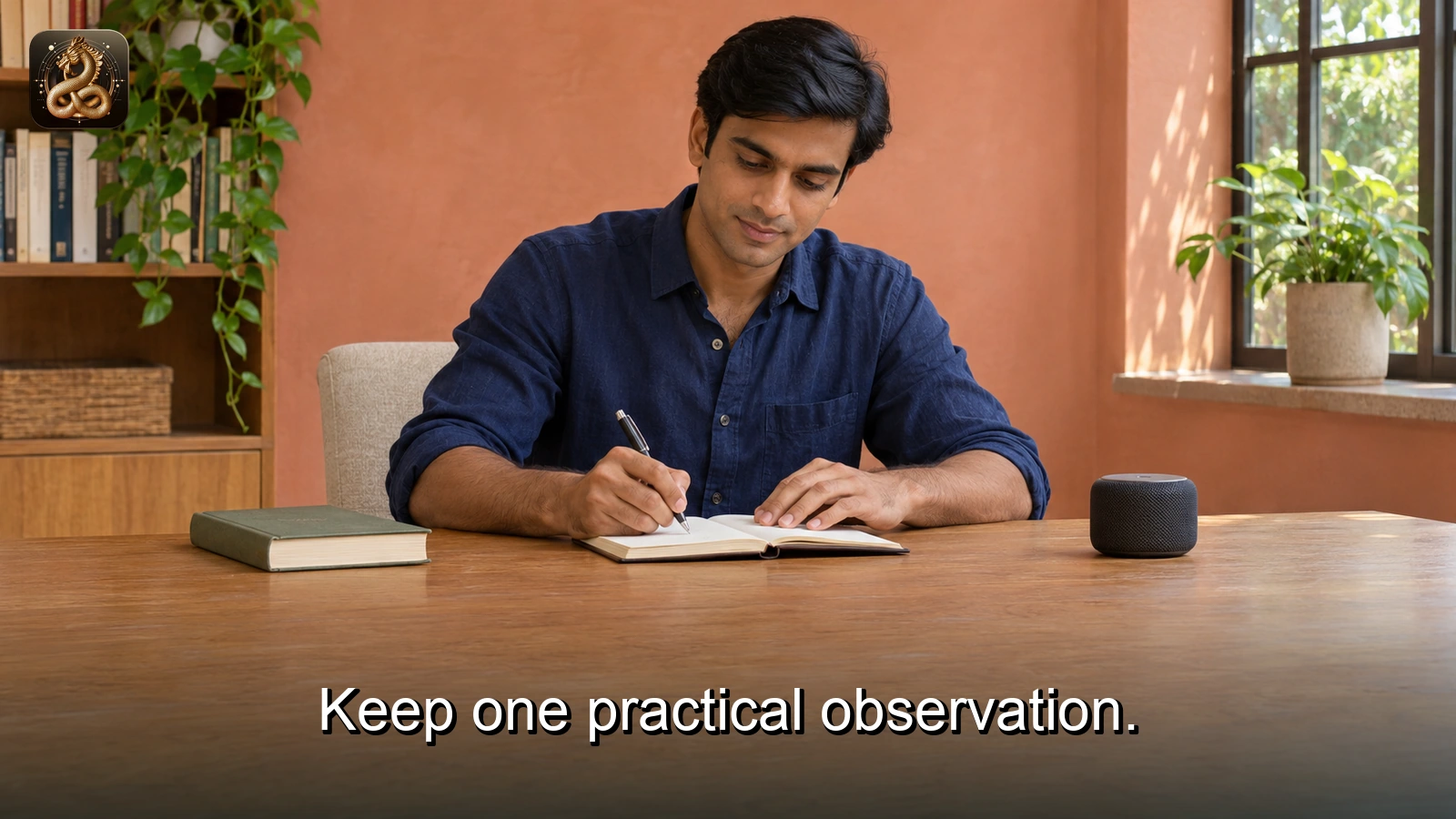
If the observation is uncertain, leave it uncertain. You can make the next choice from the current setting and preference. The practical purpose of the comparison is to help you choose an activity, not to produce a permanent judgement about your ability to relax.
Frequently asked questions
Is white noise the same as sound-journey meditation?
The terms do not establish the same activity. This guide distinguishes background masking from deliberately attending to sound. Check the actual resource and decide which task you want; neither label guarantees sleep or a health benefit.
Can I listen attentively to a continuous background sound?
You can choose that attention task when the setting and playback are suitable. Notice what is audible and return when you want. Describe it as the activity you chose, without assuming the sound has a special effect.
Should I leave a recording on all night?
This guide does not prescribe overnight playback. It does not establish a suitable duration, level or sleep treatment for an individual. Keep exposure, responsibilities and personal health questions on appropriate advice routes.
What if both kinds of audio annoy me?
Turn the audio off and choose another activity or no added sound. An unpleasant attempt does not require endurance or a search for a stronger recording. Your preference is sufficient reason to change the arrangement.
Choose the sound's role before its label
Explore SoulFul GLO's practice chooser when you want to compare listening with other optional activities. Start with what you want to do, read the actual resource and keep an easy ending available. A background arrangement and a listening pause can remain separate choices.