
A familiar tradition can be difficult to describe when you usually participate. You know which bowl comes out, who starts arranging the table and what you tend to do while everyone else arrives. A private voice-journal entry can hold your part of that experience without needing to become a complete family history.
The tradition might be a shared meal, an annual walk, a game after a gathering or a custom you practise alone. Choose an ordinary example you are comfortable discussing. Record what you remember, do now or would prefer to change. A personal account need not praise the tradition, continue it or represent everybody involved.
Quick answer
Name one recurring practice and say how you personally know it. Describe a particular occasion, your role and a sequence you can remember. Mark uncertainty and distinguish your experience from stories somebody else told you. Finish with what you want to keep, adapt or leave open. Record only yourself in a suitable private setting, and stop or switch to writing whenever you want.
Choose a tradition at a manageable scale
Start with a practice you could describe through one occasion. “The game we play after our monthly meal” offers a clearer opening than “Everything my family believes about togetherness.” The smaller subject lets you say what happens without having to explain an entire household, community or cultural history.
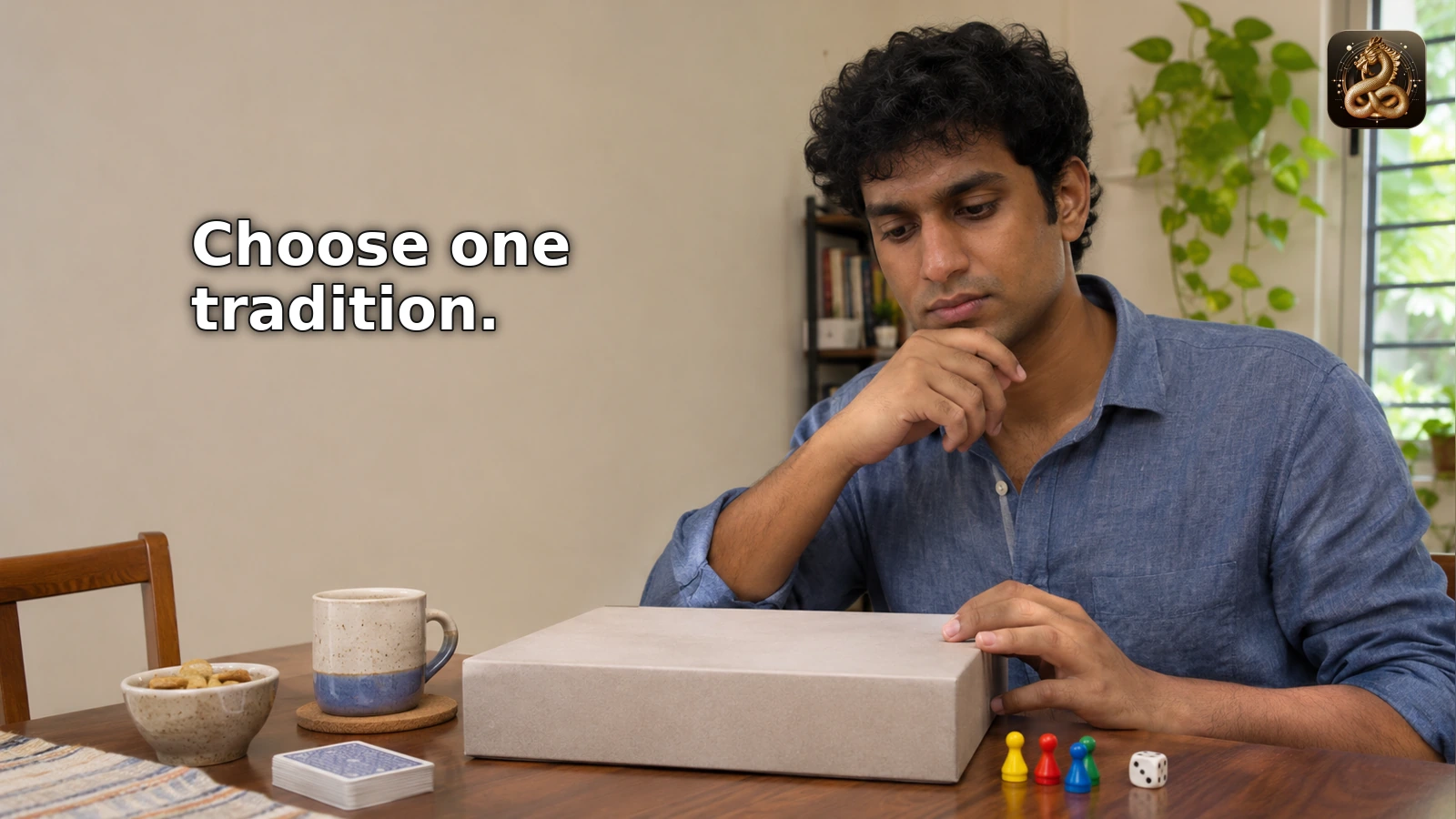
A tradition can be recent. You might have begun a yearly walk with friends a few years ago, or developed a personal way of marking the first afternoon of a holiday. There is no need to invent an ancient origin to make the entry worthwhile. Say when you first remember doing it, even if the practice began before you joined.
You can also decide that the word tradition does not quite fit. “A thing we often do” may describe the situation more accurately. The recording belongs to you, and its label can stay provisional. This exercise does not supply criteria for deciding which practices count as authentic cultural traditions.
If the subject involves conflict, loss or distress that you do not want to revisit, choose something else or stop. An ordinary journaling suggestion is not a treatment for difficult memories. You can leave sensitive parts unrecorded without making the account incomplete for your own purpose.
Begin with your position in the account
Give the listener enough context to understand whose experience is being described. You might say, “I am describing the meal as I remember helping with it,” or “I joined the walk after the group had already been doing it for a while.” Those openings make the limits of your account audible.
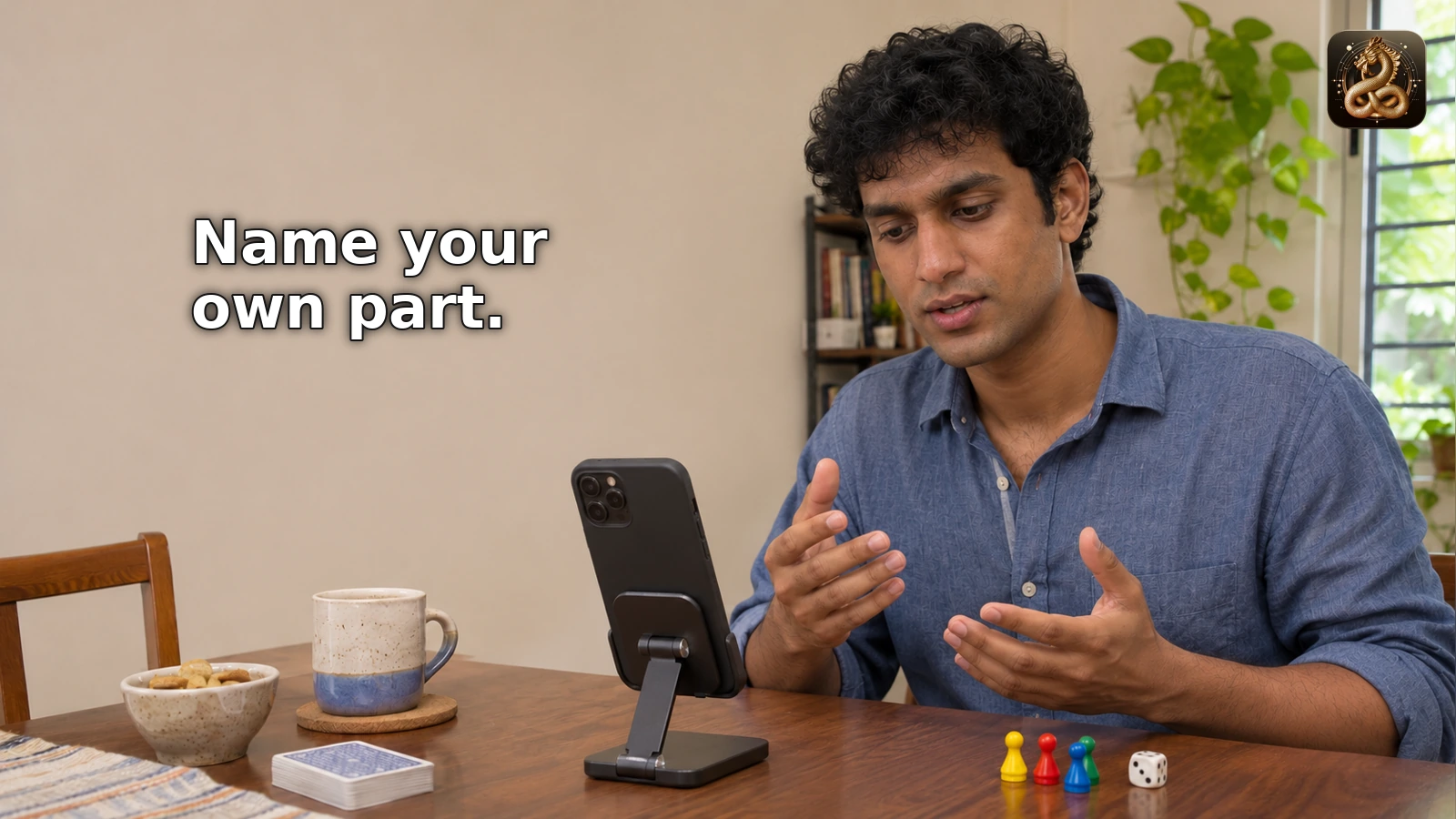
Avoid using “we always” when you mean “I usually remember.” Different people may have joined at different times or done different jobs. You can say what you noticed without settling their experience. If you know only one household's version, keep that boundary rather than extending it to a whole region or community.
The Smithsonian Folklife and Oral History Interviewing Guide includes questions about the context and evolution of traditions. That is a useful source for developing questions. This article's solo journal exercise is an original editorial suggestion, not a formal oral-history interview or a claim that an institution has verified your memory.
Describe one occasion before summarising the pattern
Choose a particular instance you can recall. Say where you were in the activity and what you did first. “I washed the small bowls while my cousin arranged the chairs” gives a point of view. You can omit names or identifying details that are unnecessary for the record you want.
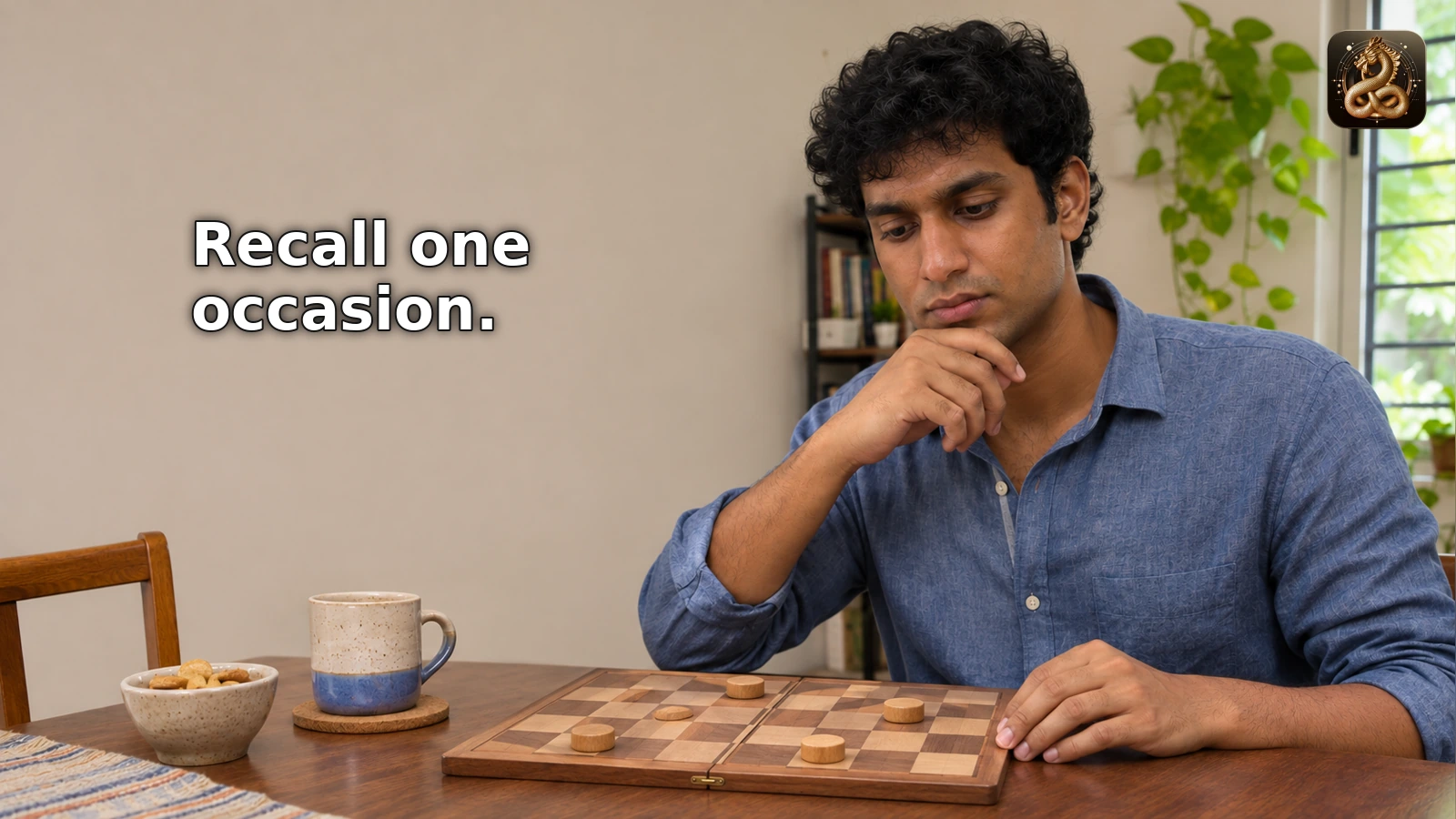
Continue through a few actions in an order you remember. Preparation, the shared activity and putting things away can be enough. If the middle is unclear, say so. “I cannot remember whether we dealt the cards before or after the cups were cleared” gives an honest boundary without interrupting the whole account.
Then distinguish that occasion from the recurring pattern. Perhaps the game is common, but the outdoor table was unusual. Perhaps you normally help prepare the meal, but that day you arrived after it started. The difference is often more informative than a polished description that makes every occasion sound identical.
You do not need to reconstruct exact dialogue. Summarise what you remember being discussed and label it as a summary. If a phrase matters because you clearly remember its wording, say whose words you are recalling and avoid implying that the audio is a recording of the original conversation.
Use a short route through the recording
Before pressing record, choose a few prompts rather than writing a full script. A useful route is the occasion, your role, one variation and your present preference. You can keep those prompts on paper beside you. Leave any prompt out if it does not serve the account you want.
The table below offers questions for that route. They are choices for a private entry, not a checklist you must complete. A single answer can be enough for one sitting, especially if the subject is new to you.
| Part | Optional prompt | Keep the boundary |
|---|---|---|
| Occasion | Which instance am I describing? | Leave uncertain dates open. |
| Participation | What did I personally do? | Avoid speaking for everyone. |
| Variation | What was different this time? | Separate a reason from a guess. |
| Preference | What do I want to keep or adapt? | A journal does not change agreements. |
A simpler version uses just two prompts: “What did I do?” and “What would I like to remember?” You can finish after those answers. A recording does not become more valuable merely because you cover every heading or speak for a particular number of minutes.
A fictional example: the borrowed-board game
Ravi is a fictional adult describing a game played after a monthly meal with friends. The group borrows a board game from whoever is hosting. He wants a personal record of the familiar setup, not a public guide to the game or a statement about everybody's friendships.
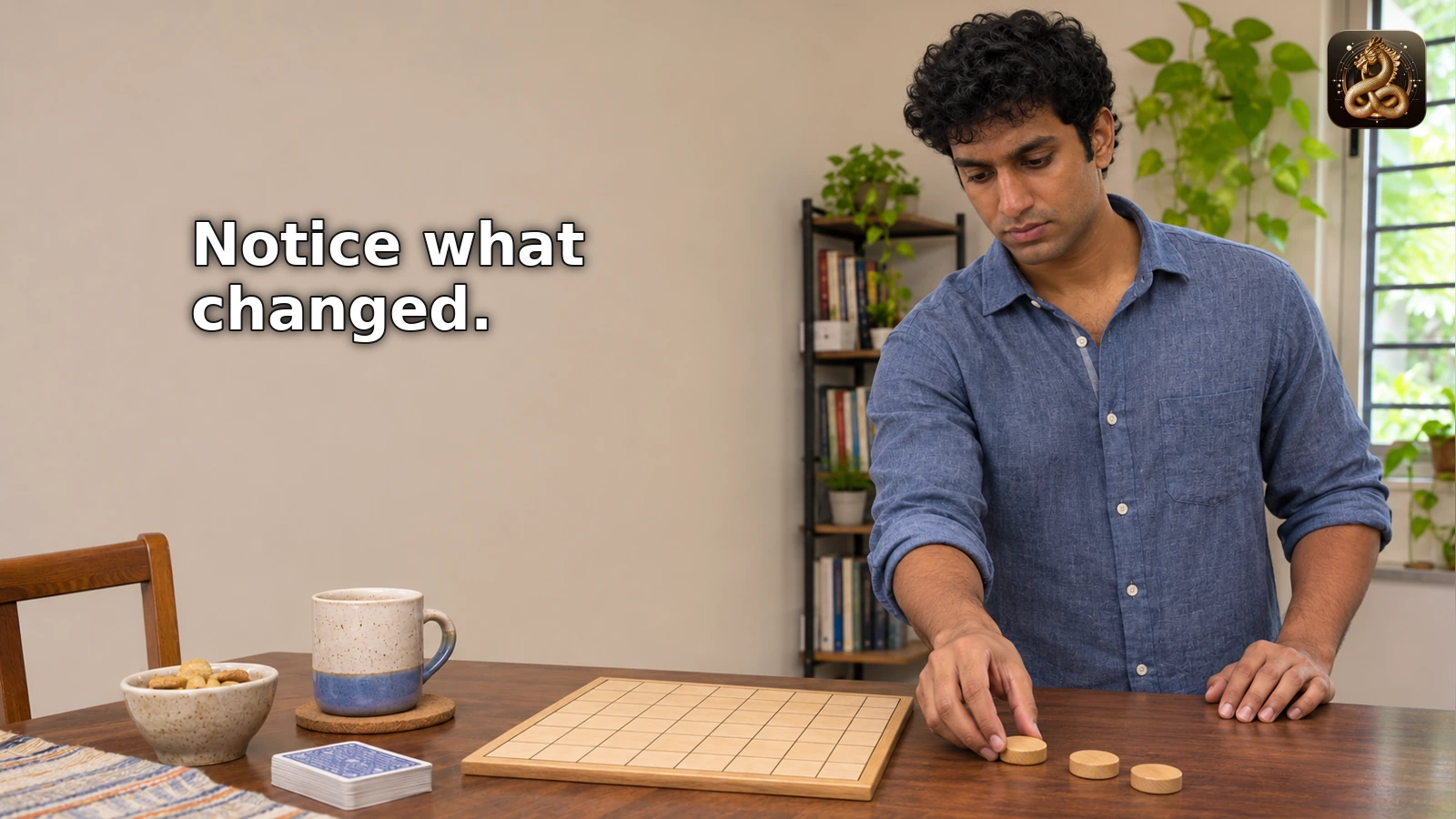
First, he names his position: “I joined these meals two years ago, so this is the version I know.” Then he chooses one occasion. He remembers arriving early, helping move a small table and finding that the usual game had a missing piece. He does not remember which month it was.
Second, he describes what changed. The host offered a different game, and Ravi helped explain the rules he already knew. He says, “I remember enjoying that part.” He leaves the other players' reactions open because he did not ask them how they felt.
Third, he connects that occasion to the pattern carefully. “We often play after eating, but we do not always use the same game.” He avoids saying the group has never skipped a game, because he has missed some meals himself. His absence is relevant to what he can know.
Finally, Ravi records a preference for the future. He would like to keep the shared game but arrive without assuming that he must explain the rules each time. That is a personal preference he can consider discussing later. Speaking it in a private journal does not change the group's agreement.
If he wanted a smaller entry, he could stop after describing the missing piece and the alternative game. He could also leave out the future preference. These fictional steps demonstrate how an ordinary account can be specific without requiring an interpretation of every person's behaviour.
If spoken reflection suits you, explore SoulFul GLO's journaling resources and choose a format you can use privately. Keep this entry as a personal record; preparing it does not require sharing it with anyone who took part.
Leave room for remembered variation
After the particular occasion, consider one change you have actually observed. A meal may have moved to a different room. A walk may have become shorter because the meeting place changed. Describe the difference first, then say whether you know why it happened.
If another person explained the change, identify that as something they told you. You might say, “The host said the smaller table was easier to move.” If you inferred the reason yourself, say that instead. A plausible explanation does not become an established origin story because it sounds natural in the recording.
Avoid using one variation to rank versions as more or less genuine. You can prefer an earlier arrangement without declaring the present one invalid for everyone. If questions of cultural authority or community protocols arise, your personal journal cannot settle them. Keep the account within what you can appropriately describe.
Some knowledge may be private, restricted or not yours to repeat. Choose another detail rather than assuming a private recording removes every responsibility about what you include. The recording can preserve your participation without reproducing material you do not have permission to record.
Say what you want now without assigning everyone a preference
A personal entry can include mixed feelings. You may enjoy preparing food and dislike being assumed available for all the clearing up. Describe the tasks separately. “I liked cooking with my friend; I wanted to leave earlier” is easier to understand than a verdict that the whole occasion was good or bad.
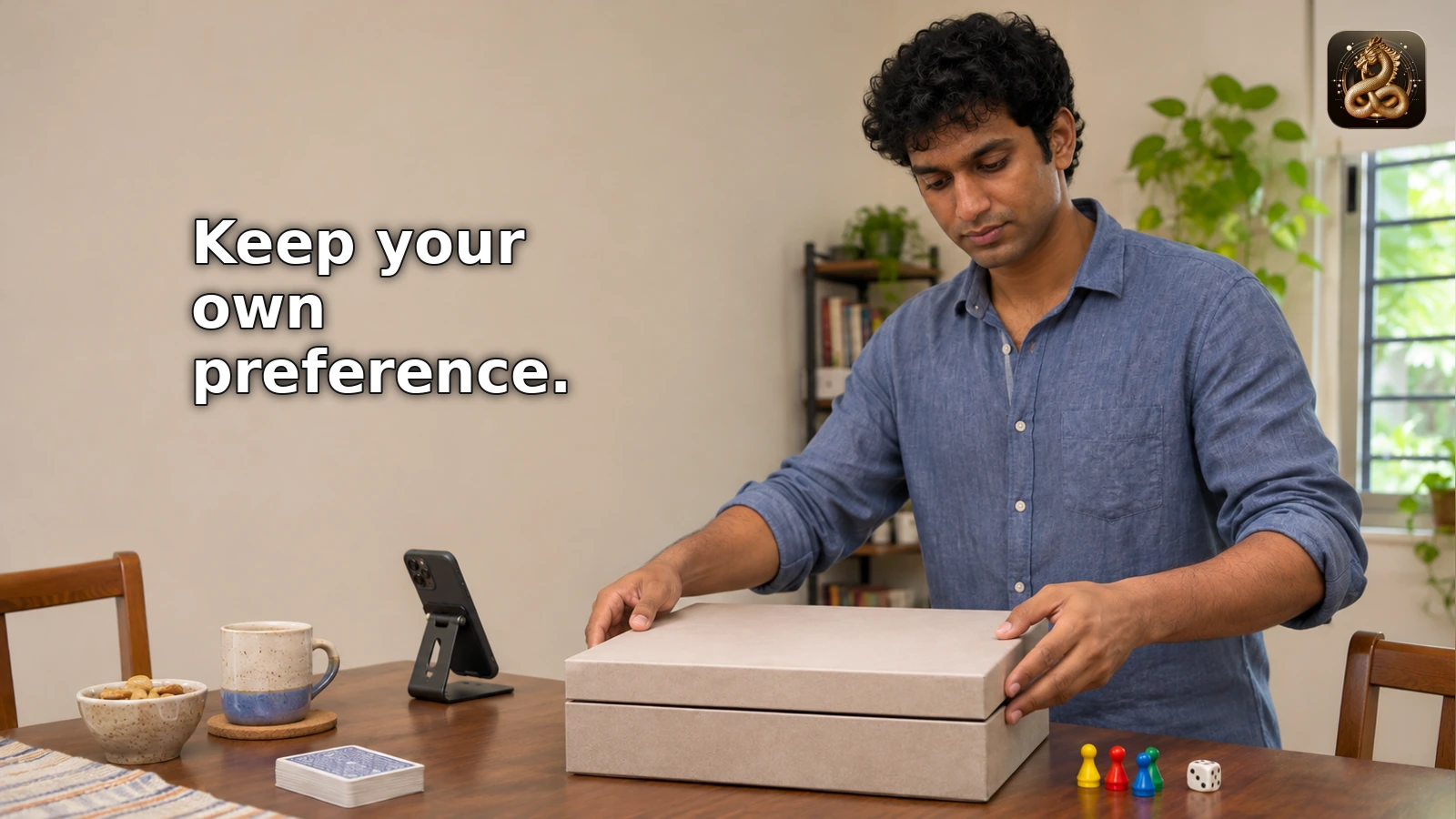
You can name what you would like to keep, adapt or stop doing. Keep that statement in your own scope. Wanting a shorter visit is different from deciding that everybody should shorten the gathering. The recording can clarify your preference before you choose whether a real conversation is needed.
There is no requirement to make a decision today. “I want to think about which part I enjoy” can be a sufficient ending. The point of the account may simply be remembering how you participated. Reflection can remain descriptive without becoming a plan to improve the tradition.
Check privacy before keeping the file
Record when you can speak without unintentionally capturing somebody else's conversation. Check the recording tool's actual save destination, account access and any transcription settings before adding sensitive details. Do not assume that a file is private merely because you made it alone or called it a journal.
Use a brief label that helps you find the entry without exposing unnecessary information. “Monthly game, personal account” may be enough. If a title includes somebody else's full name or a precise private location, consider whether that detail is needed for your own navigation.
A later decision to share the file is separate from making it. The Oral History Association's best-practice guidance discusses informed consent and expectations around release in formal oral-history projects. This solo exercise does not grant permission to publish another person's story, record an interview or distribute somebody else's voice.
Troubleshoot an entry that becomes too broad
If you begin listing every gathering you remember, return to the occasion you selected. Say, “For this entry, I am staying with the time we changed games.” You can keep other memories for another occasion without creating a series you are obliged to finish.
If you hear yourself speaking for everyone, correct the scope in the same recording. “I said everyone liked it; I only know that I liked it.” That small clarification can preserve the flow. You do not need to restart merely to make the account sound flawless.
If you cannot recall a useful detail, leave a spoken gap in meaning rather than trying to fill it with a likely event. “I do not remember how we ended that evening” is usable. You can finish with the detail you do remember or stop recording there.
Frequently asked questions
Does a tradition have to involve family?
No. For this editorial exercise, you can choose an ordinary practice shared with friends or one you follow alone. Describe its context rather than assuming that every recurring activity carries the same cultural meaning.
Can I record a tradition I no longer follow?
Yes, if you want to and the subject feels manageable. State the period you are describing and distinguish a remembered practice from your present circumstances. You are free to leave out the reason it ended.
What if someone else remembers it differently?
Their account can remain different. Your private recording identifies your perspective; it does not settle disputed facts. If you later want a shared history, that is a separate project requiring appropriate conversations, evidence and consent.
Must I listen to the recording immediately?
No. You can check the file exists and keep it without replaying the full entry now. If you use an automatic transcript, remember that it may require checking against the recording before you rely on its exact words.
Finish with the part you want to retain
An account might end with a remembered action, a small change or a preference you have not yet discussed. You can leave the wider history unwritten. Your place in one occasion is enough material for a personal entry.
For help distinguishing your own observations from information somebody told you, read SoulFul GLO's guide to firsthand and reported details in a journal. Use that distinction when it helps, and keep the entry at a scale you want to revisit.