
A mountain can remain recognisable while clouds, light and weather change around it. Some guided meditations use that image to explore a relationship with changing experience. You stay in the room where you are listening; the mountain supplies a comparison. Understanding that difference makes the practice easier to choose without turning a metaphor into a physical test.
This guide helps you approach an existing mountain meditation. It offers a listening plan, an instruction-checking table and a fictional example. It does not recreate a teacher’s recording or ask you to invent one. You can investigate the practice, try guidance you understand or decide that another kind of attention suits you better.
Quick answer
Choose an identified mountain meditation and read what its teacher asks you to do. Check whether imagery is central and whether its participation options suit you. Arrange comfortable support, follow understandable guidance and retain the option to adjust or stop. Treat mountain-like steadiness as a metaphor rather than an obligation to become rigid, suppress a feeling or ignore something that needs attention.
Know which mountain meditation you are choosing
Jon Kabat-Zinn’s downloads catalogue lists a Mountain Meditation in its Everyday Life Meditations series. Memorial Sloan Kettering also publishes a mountain meditation led by Emily Herzlin, with a transcript. These are identified resources you can inspect. Their shared title does not establish that every recording uses the same wording, timing or participation choices.
The MSK transcript uses an imagined mountain and changing conditions as a meditation image. It provides more than one position option. That source-specific description explains the kind of invitation involved; it does not establish a health effect for you. Follow the actual resource you choose rather than combining fragments from different teachers into an assumed standard method.

Keep the source name with your choice. A saved title without the teacher or provider can be hard to distinguish from another recording later. A plain note identifying the resource is sufficient. There is no need to buy a programme, adopt a tradition or enrol in a course merely to understand what the description means.
Separate the image from your actual body
A metaphor draws attention to a selected quality. It does not make all the properties of the compared object into instructions. A mountain does not change its sitting position, but you are a person using a chair, cushion or another workable arrangement. Comfort and ordinary movement remain relevant to that arrangement.
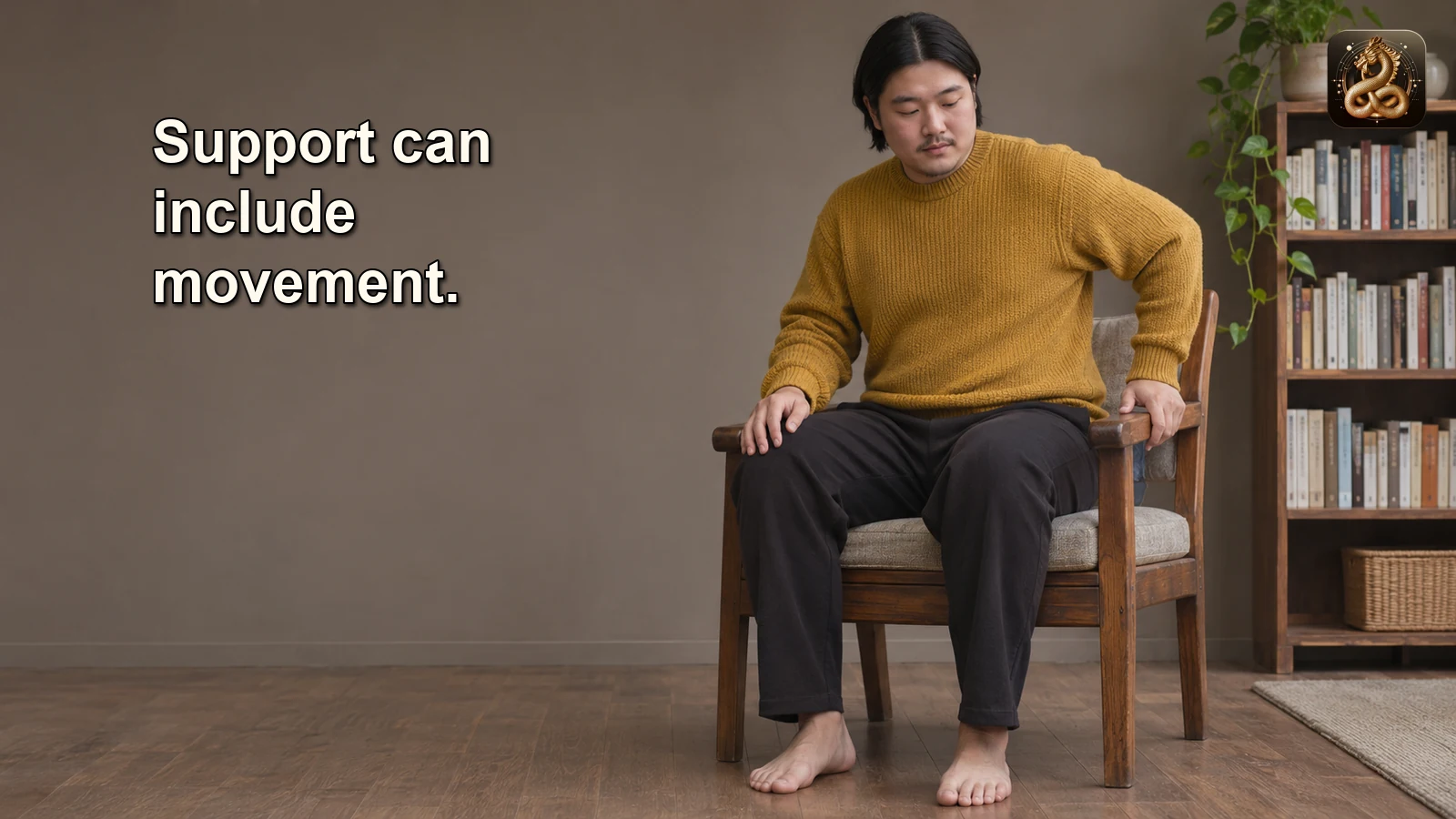
Notice what you add to a direction. A reference to a stable base could become an understandable idea about support. It could also become an extra rule in your mind: my legs must never move. Before accepting that rule, check whether the teacher actually gave it. Ask for clarification when the meaning affects your participation.
The same distinction applies to feelings. You can understand an image of steadiness while feeling interested, distracted or disappointed. The image does not require an emotion to vanish. If you want help with the broader difference between equanimity and indifference, SoulFul GLO’s equanimity guide considers that separate question.
Make a practical plan for one attempt
Check the complete listening task
Read the current description and any transcript the source actually provides. Look for what you will attend to, how the imagery develops and how the session ends. If a short preview leaves an important question unanswered, retain that question. A familiar title or pleasant cover photograph cannot supply the missing instruction.
You can decide against a resource at this stage. Perhaps you wanted literal listening, while this session depends on constructing a detailed scene. Perhaps the available explanation leaves you uncertain about a request. Choosing a different practice can be a straightforward content decision rather than an assessment of your ability.
Choose an occasion with attention available
Pick a place where stopping to listen is practical. Cover immediate responsibilities first and keep necessary signals noticeable. This is a deliberate attention activity, so avoid adding it to driving, crossing a road or a task requiring close supervision. You can leave the recording for an occasion when you actually want to attend to it.
Use support you can adjust
Choose a comfortable arrangement from the options the source permits. Keep playback controls within ordinary reach. There is no need to make the room resemble an outdoor landscape. Check the actual volume, seating and available space rather than trying to create an impressive practice setting.
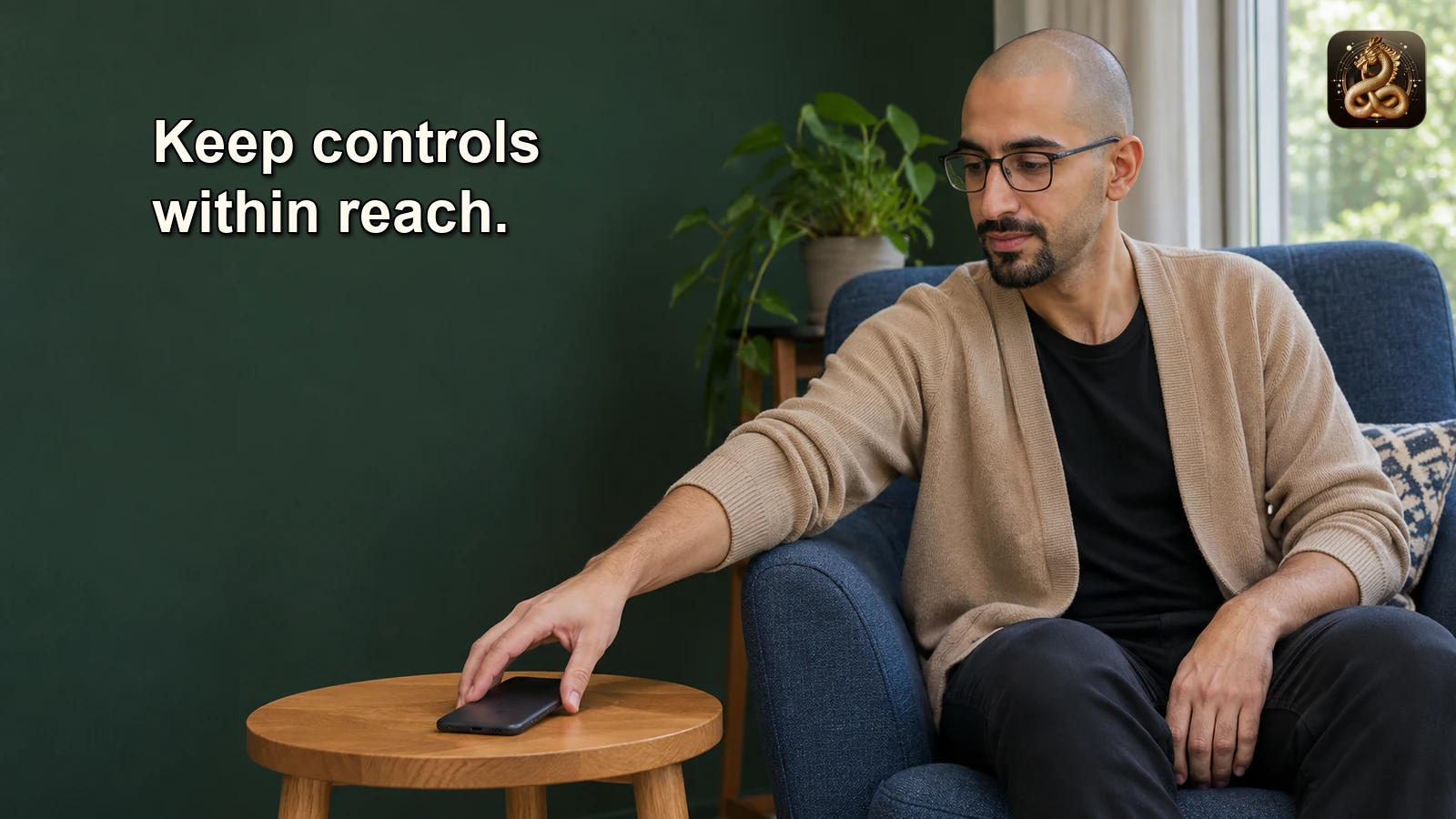
If you need to move, make an ordinary adjustment or finish. You do not have to transform the adjustment into a lesson about the mountain. A useful practical plan leaves room for what your body and surroundings actually require.
Follow the selected guidance without adding a performance target
Attend to the understandable instructions you have chosen. When you lose the thread, check whether you want to return to the next clear direction, pause or stop. Avoid measuring the attempt by how vividly you picture the landscape, how long you stay motionless or how convincing the metaphor feels.
An instruction-checking table
Use this table before or after a session when a phrase needs clarification. It is an original reading aid, not a replacement script or a claim that every teacher uses these phrases.
| Phrase or concern | Check in the actual guidance | Practical choice |
|---|---|---|
| Steadiness | Is this an image, a position instruction or both? | Use workable support; clarify any unclear demand. |
| Changing conditions | What does the teacher invite you to notice? | Keep the task separate from solving an outside problem. |
| A detailed imagined scene | Does the next step depend on picturing it? | Ask about an alternative or choose another practice. |
| An uncomfortable position | What participation options are offered? | Adjust or finish; no image overrides discomfort. |
A fictional demonstration: Nila checks what steadiness asks
Nila is an invented reader considering an identified mountain meditation. She has time for a voluntary listening pause and reads the available explanation first. The imagery interests her, and she understands that the resource concerns a mountain image rather than a yoga pose. She checks the actual session’s position options before choosing her chair.
She places the device where she can pause without reaching awkwardly. She has no mountain photograph, special cushion or plan to document the session. Those things are unnecessary for her chosen task. Her preparation is simply knowing what she will listen to and making a workable place to do it.
During the attempt, she notices that she is pressing her feet firmly against the floor because she has privately interpreted stability as pressure. That extra effort was her addition. She eases the pressure and changes position. If she were unsure what the teacher intended, she could pause and seek clarification rather than maintain an uncomfortable interpretation.
Later, a thought about an unfinished errand comes up. She does not use the mountain image to argue that the errand is unimportant. It is not urgent, so she decides whether to continue listening. If it needed immediate attention, ending the practice would remain available. The recording cannot decide that practical priority for her.
Nila finishes without reporting a special feeling. She knows that the chair arrangement needed an adjustment and that one phrase was easy to overinterpret. Those are usable observations for another choice. This fictional account illustrates decisions, not a customer result or evidence that the exercise produces steadiness.
A simpler version would stop after reading the description and identifying the role of the image. You can understand the practice without trying the full recording today. Another reader may prefer guidance based on present sounds and leave the imagined scene aside entirely.
Keep a literal alternative available
SoulFul GLO’s guide to meditation without visualisation explains how to distinguish an imagined scene from an idea or a present point of attention. Read it if the imagery requirement is your main question. That does not mean replacing the mountain with a sound preserves the same exercise; it gives you a different option to choose deliberately.
When the image does not feel useful
Perhaps the landscape is difficult to picture, the comparison feels remote or you keep assessing whether you resemble its proposed qualities. You can name that practical mismatch without making a general statement about your imagination. A resource may be understandable and still be an activity you do not want.
Check whether the teacher offers an alternative within that particular session. When there is no clear alternative, choose another resource rather than inventing an equivalence. If an exercise was supplied as part of professional care, discuss a difficulty with the person supporting that care; this general article cannot decide what adaptation preserves their purpose.
Stop if the activity becomes distressing, physically uncomfortable or otherwise unwelcome. Meditation is an optional wellbeing practice, not a medical treatment or a substitute for appropriate support. No mountain image creates an obligation to remain with an experience until it changes.
Return to a real room and a real next activity
Follow the selected resource’s ending as it suits your participation, then attend to your actual surroundings. Look at the available space before moving. Choose what you want to do next using ordinary information: the time, an existing arrangement or an unfinished task. You need not carry an imagined landscape through the rest of the day.

If a note would help, record a specific preference. You understood the imagery, preferred a different position or wanted clearer instructions at one point. That is more actionable than rating whether you were sufficiently mountain-like. A particular mood afterward does not certify the quality of a recording or establish a lasting benefit.
You can repeat the resource because its task interests you. You can also leave it as a single attempt. There is no required streak, progression to a harder image or need to combine the session with a journal entry. Keep a new activity separate enough that you can choose it for its own purpose.
Frequently asked questions
Is mountain meditation the same as Mountain pose in yoga?
The image-based meditation discussed here is different from instruction in a named yoga posture. Check the activity the source actually describes. A shared word does not make the physical demands, teaching or intended task interchangeable.
Must I imagine a mountain I have visited?
Use the particular resource’s directions. Avoid inventing a memory or pretending an image is present. If its imagery requirement is unavailable or unwelcome, ask about it or choose another practice. Visiting a mountain is not an entry requirement established by this article.
Can I adjust my position during the recording?
Attend to actual comfort and safety. Check the source’s options, adjust or finish when needed, and seek clarification about an unclear direction. A comparison with an unmoving object is not a reason to ignore discomfort or an immediate responsibility.
Will this help me stay calm throughout a difficult day?
That outcome is not established here. You can investigate or try a particular attention exercise without expecting it to control later feelings or events. Use appropriate support for health concerns and ordinary practical action for the responsibilities you have.
Choose by the activity you want
Explore SoulFul GLO’s practice-selection guide when deciding between movement, meditation and listening. Check the current description of any particular session before starting; this article does not claim that SoulFul GLO hosts the named external recordings. Choose guidance you understand and an activity you willingly want to try.