
A meditation recording begins with “find your seat,” and the picture beside it shows someone cross-legged on a mat. You are already sitting in a chair. That difference can turn a simple decision into an unnecessary question about whether your practice counts. An ordinary chair can be your chosen place for a seated meditation. You do not need to imitate the photograph to decide whether the actual guidance suits you.
This guide concerns the seating choice for an optional meditation, rather than chair yoga, a prescribed posture or treatment for discomfort. It offers a way to read floor-oriented instructions, prepare an everyday arrangement and decide when to change or stop. Your chair does not establish what the recording will do for you, and remaining still is not a measure of success.
Quick answer
Choose a familiar, stable chair in a place where sitting is appropriate. Read the meditation description before starting, and choose instructions compatible with your seated arrangement. Keep ordinary support available, change position when needed and leave out instructions you cannot comfortably follow. You can pause, choose another recording or stop. If you need individual advice about sitting, movement or symptoms, seek an appropriate qualified professional rather than treating an audio guide as an assessment.
Begin with a seat you already use
Start with the practical question of where you can sit without creating another task. A dining chair, an everyday armchair or another familiar seat may be an option. Familiarity lets you judge the arrangement from your actual experience instead of purchasing an object because it appears in a meditation picture. Check that the chair is stable and the surrounding route is clear before settling into it.
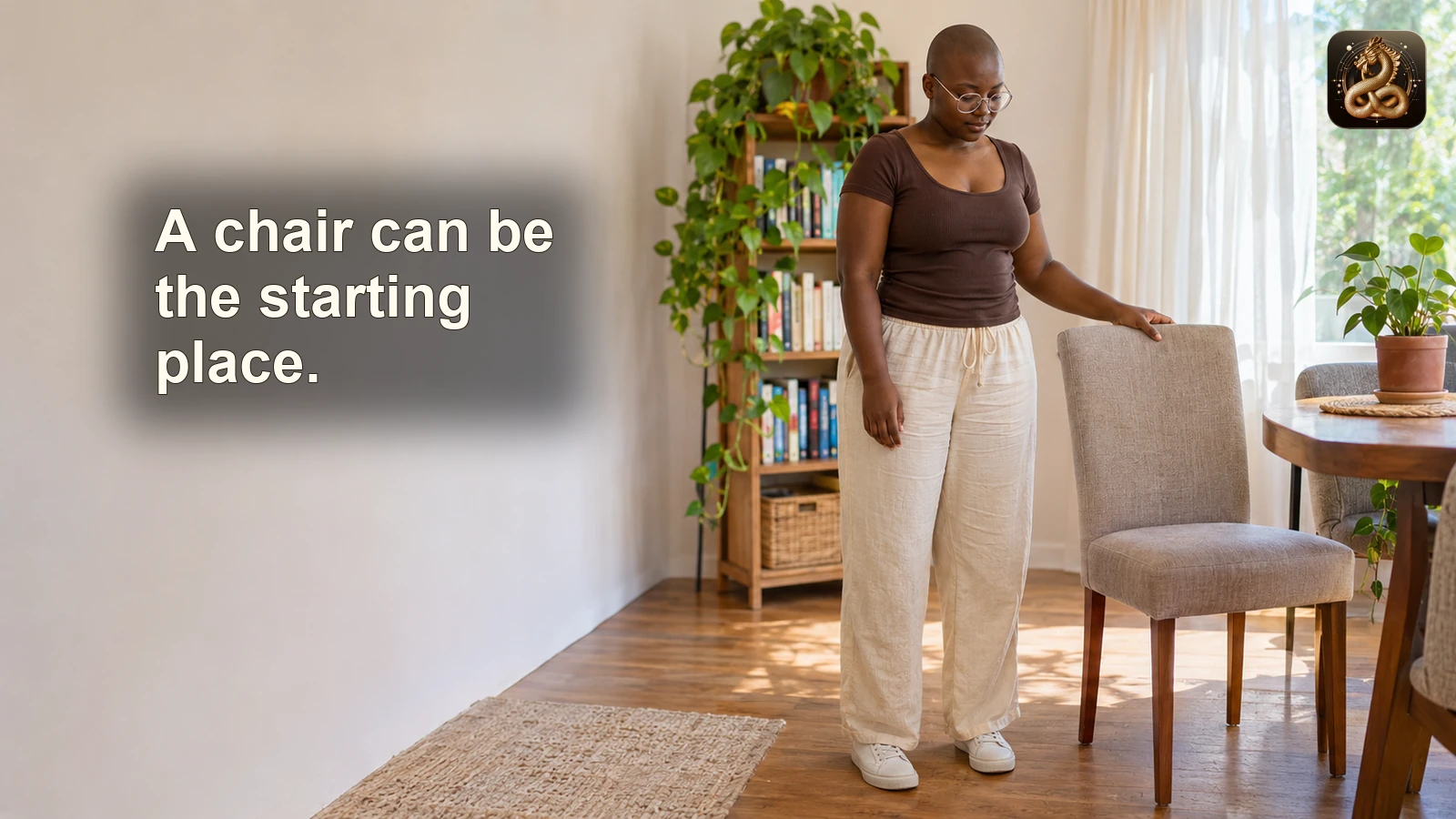
The NHS beginner guide includes sitting in a chair among the possible arrangements for meditation. That is useful permission to consider a normal household seat; it is not a claim that every chair or position suits every person. If your usual chair is awkward today, you can choose another place, change the plan or leave meditation for another occasion. Furniture does not need to become a test of commitment.
Suppose your living-room chair is usually comfortable for reading. You might choose that place for a short recording because you already understand its support. You are choosing a workable arrangement, not declaring that reading comfort proves a particular posture is suitable for a lengthy session. You can find out only what this actual attempt is like and retain the option to stop.
Avoid turning the choice into a shopping list. A special cushion, a matching room or an elaborate display is not required for this decision. If an item you already own makes your ordinary setup more comfortable, use it as you normally would. An optional practice should fit the real room, including the ordinary furniture and the people who share it.
Match the recording to a seated arrangement
Read the description or opening instructions before committing to the entire recording. Does it explicitly offer sitting? Does it assume lying on the floor, moving between positions or using equipment? A title saying “meditation” does not answer those questions. The actual instructions matter more than the image on the cover or another listener's recommendation.
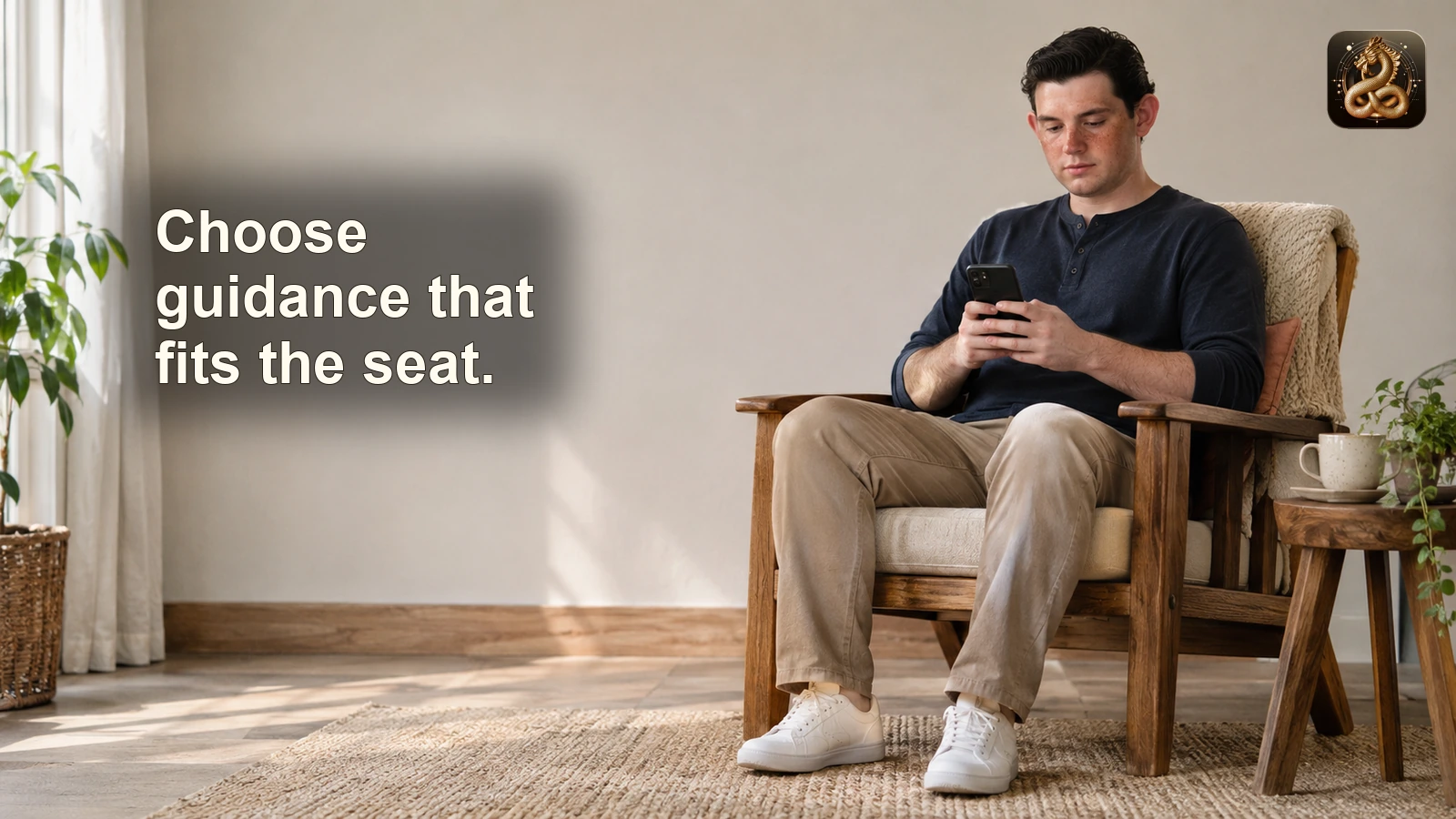
Choose a recording that leaves you able to follow its main activity from your chair. If most of the session concerns standing or a sequence of movements, a seated alternative may involve more than simply changing where you sit. You can select a different resource rather than inventing substitutions for every cue. That keeps your choice understandable and avoids treating every recording as adaptable in the same way.
You may also prefer guidance that allows a choice about keeping your eyes open. If that question matters to you, SoulFul GLO's guide to meditation with eyes open at home addresses the separate decision. Neither closed eyes nor a floor seat should be inferred from a promotional photograph. Check what is offered and whether you want to use it today.
A clear description can save an avoidable interruption. For example, a recording that begins with “sit somewhere comfortable” may fit your plan better than one built around a floor arrangement you do not want. This is a comparison of instructions, not a ranking of meditation styles. The recording you decline may be suitable for someone else or for a different occasion.
Keep the everyday setup simple
Put anything you expect to use within ordinary reach before playback. You might place the phone on a nearby surface, check the recording controls and move an unrelated object out of the way. Do not lean or stretch to keep up with a guide when you can pause it. The purpose of preparation is a workable listening arrangement, not an impressive meditation setting.
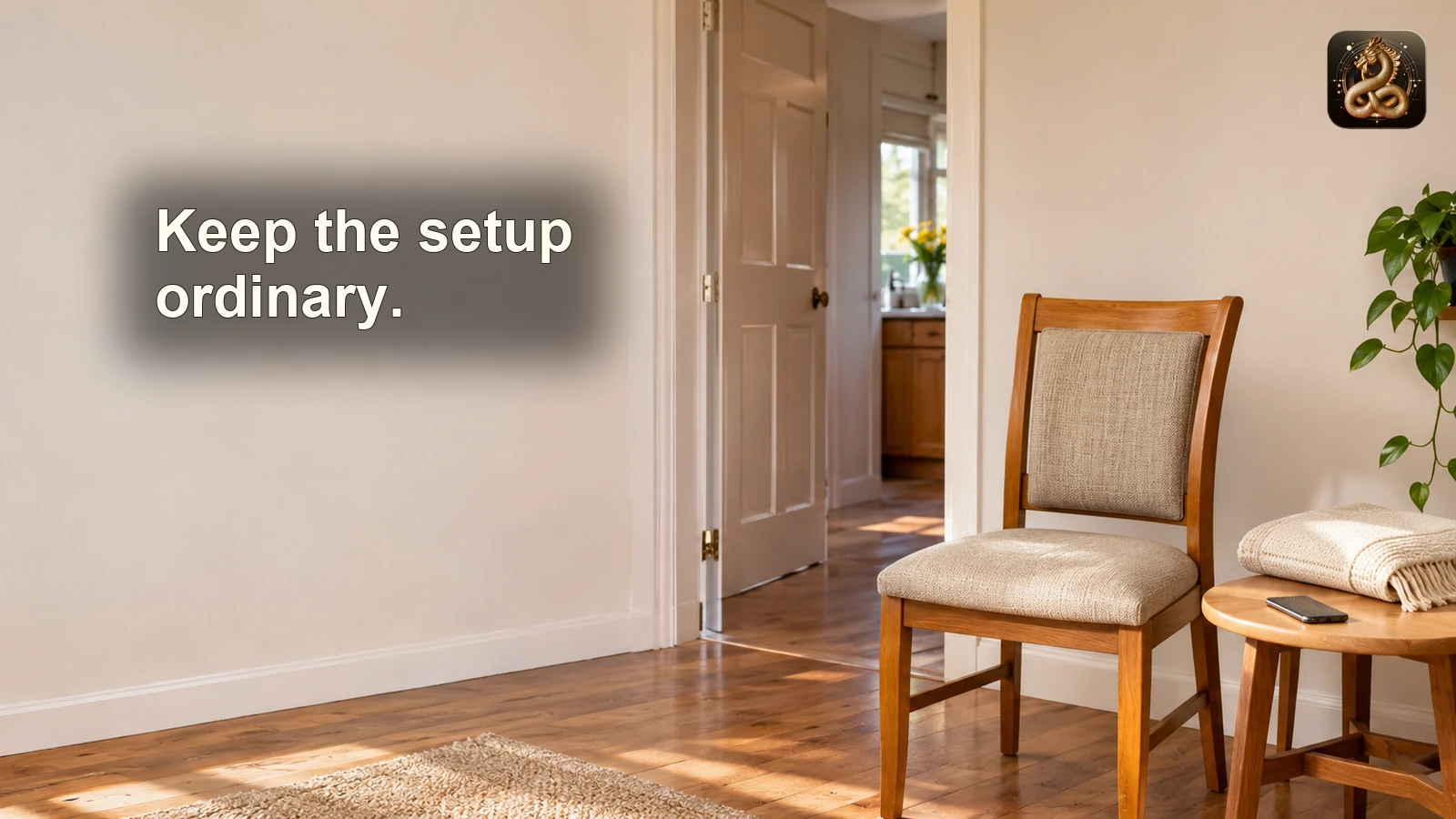
Notice practical interruptions you can reasonably address. Perhaps a delivery is due, someone else needs the chair or the room is about to be used for dinner. You do not have to manufacture an uninterrupted period by ignoring those obligations. A different time or a shorter available resource may be more useful than trying to preserve a special atmosphere at everyone else's expense.
Keep the way out of the chair and room clear. If headphones or a charging cable create a snag, change that arrangement before starting. These are ordinary household choices, rather than meditation techniques. The same applies to volume: use a comfortable level that lets you remain appropriately aware of your surroundings, and do not use audio practice during an activity that needs your attention.
You can decide in advance that you will move if the arrangement becomes uncomfortable. That choice removes the need to negotiate with a recording later. It does not guarantee comfort, but it gives you an ordinary response when the plan no longer fits. Nothing about the chair requires you to finish a session merely because you pressed play.
Explore a suitable practice
If you want to compare available guided practices, explore SoulFul GLO and read each session's actual description before choosing. Select one that fits your present seating arrangement and preferences. Access to a recording is an option, not a promise of a particular feeling or result.
Ask about a floor-based cue
You may encounter an instruction that names knees, crossed legs or a position that is not part of your arrangement. First distinguish a descriptive cue from an essential part of the session. If the teacher simply names the place where a floor sitter might put their hands, you do not need to recreate that exact picture. If you cannot understand what is being asked, pause rather than guessing.

For a live class, a direct question can be more useful than silently improvising: “I am using an ordinary chair. Is this instruction relevant to my seated arrangement?” The teacher can explain what their session offers. Their answer should still leave you free to decline a movement or choose another resource; it does not turn general class guidance into an individual clinical assessment.
For a recording, check whether the creator provides a seated version or written clarification. You do not need to track down an answer to every resource on the internet. If its main instructions remain incompatible or unclear, stop and select guidance that makes your choice easier. Changing resources is a practical response, not evidence that you lack patience.
Keep seated meditation distinct from a chair-based movement class. SoulFul GLO's guide to checking a chair-yoga class format discusses what a class may actually involve. A chair in a thumbnail does not establish that the activity is meditation, and a meditation label does not establish that it is a movement class. Choose the format you intended to use.
Change comfort without restarting
A position that seemed suitable at the beginning may not remain suitable. You can adjust your hands, use the support already available, pause playback or end the attempt. There is no need to start the recording from the beginning merely because you moved. The practical question is whether you want to continue from here, not whether the original pose remained unchanged.
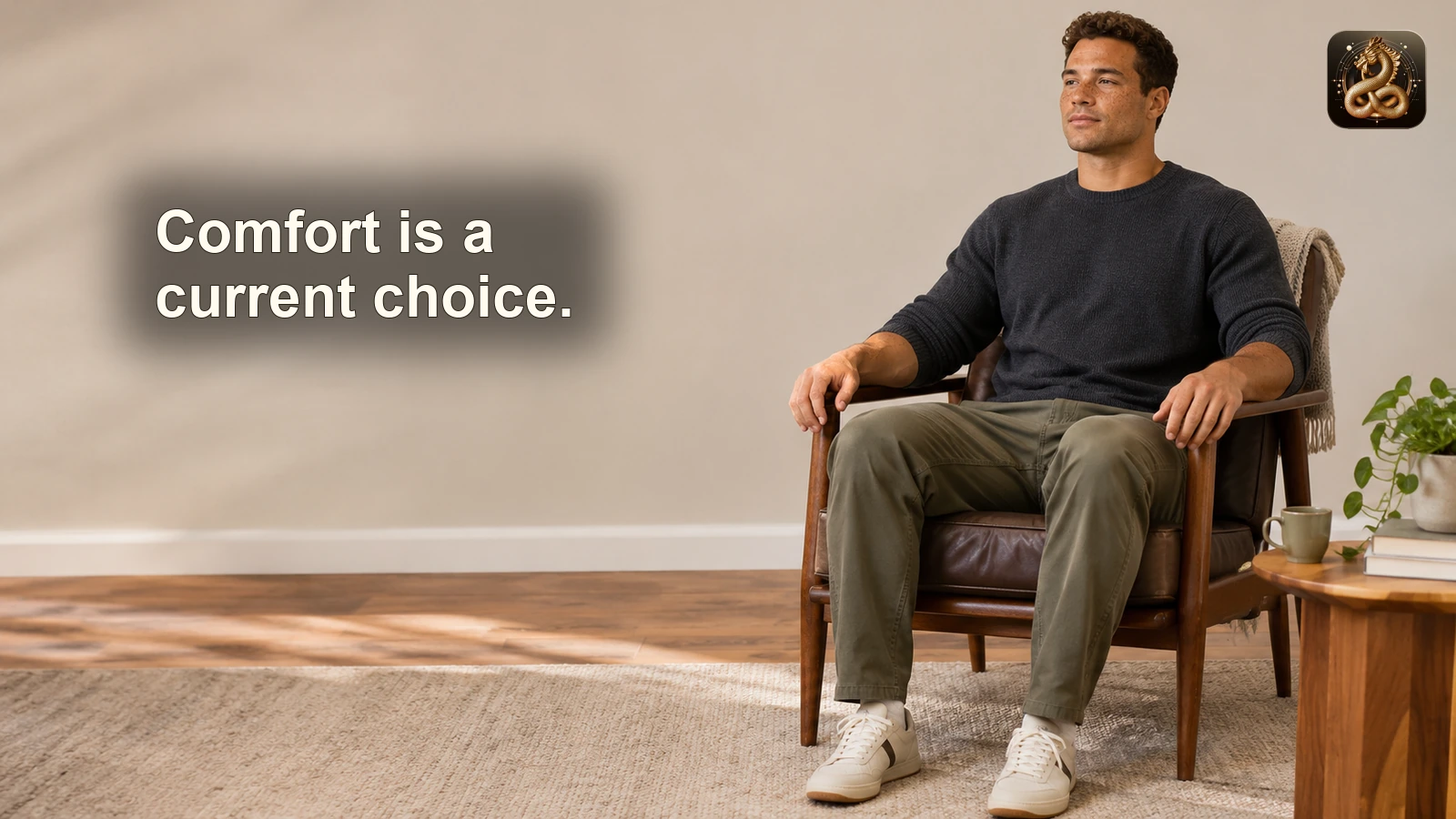
For example, you may notice that holding your hands in the position pictured on screen adds effort. You can place them where they ordinarily rest instead, provided the recording does not require a task you have chosen to follow. If changing the arrangement still leaves you uncomfortable, stopping is available. You do not owe the recording a demonstration of endurance.
Do not treat pain, dizziness, persistent discomfort or other health concerns as feedback to be interpreted through a meditation script. Seek appropriate professional advice where needed. This article cannot determine why something happens or what position is right for you. General meditation guidance is not a substitute for advice about your own circumstances.
Research findings also do not make a particular seated attempt predictable. NCCIH notes differences among meditation practices and limits in parts of the evidence. You can choose a recording for its instructions without making a claim about treatment, recovery or guaranteed calm. An ordinary session may feel ordinary, and its usefulness can be as modest as whether the format suited your plan.
Finish using your ordinary movement
When you decide to finish, pause or stop the recording and return to your next activity in your ordinary way. Take the time you need rather than matching a closing cue on demand. There is no posture score to preserve at the end. You may have followed the entire recording, part of it or only enough to decide that another resource would fit better.
If you want to remember one useful detail, keep it practical: this chair worked with this recording, this cue needed clarification, or this time of day was inconvenient. A short observation is enough. It is different from declaring a permanent rule for every future session. The same chair, room and guide may fit differently on another day.
If you are returning after a break, SoulFul GLO's guide to restarting meditation after a long break covers that separate decision. You do not need to solve a whole routine while choosing today's seat. Let the current decision stay small: a place to sit, instructions you understand and permission to change the arrangement when it stops serving you.
Choose your next recording deliberately
Browse SoulFul GLO's guided meditation options when you are ready, keeping the seating description and your current preferences in view. Choose one suitable option or leave the choice for another day. The point is to make an informed selection, rather than completing a sequence because a picture suggests a particular way to practise.
Questions about using a chair
Does seated meditation require sitting on the floor?
No. Beginner guidance can include an ordinary chair. Read the particular recording's instructions and choose an arrangement that is appropriate for you rather than copying a photograph.
Is using a chair the same as chair yoga?
No. A chair can be used in different activities. Check whether the resource offers seated meditation, movement or another format before deciding whether it fits your intention.
Must I restart if I change position?
No. You can pause, adjust or stop. Movement does not require replaying the recording, and remaining still is not an obligation to continue through discomfort.
Can this guide choose a safe posture for my condition?
No. This is general information about choosing a resource and an everyday arrangement. Ask an appropriate qualified professional for individual guidance about symptoms, movement or medical circumstances.