
You would like a friend to join a project, a colleague to accept an invitation or someone you care about to spend more time with you. During a manifestation meditation, it can be tempting to picture their agreement as though it were already settled. Your wish is real, while their answer still belongs to them.
An optional intention-setting practice can keep both facts visible. You can consider what you hope for and how you want to conduct yourself without rehearsing another person's feelings as a promised result. The useful distinction is between a desired outcome, an action you can choose and a response you cannot decide for someone else.
This guide offers an original reflection framework, not a method for attracting a particular person's agreement. Manifestation and the Law of Attraction belong to varied beliefs and personal traditions; they are not established scientific laws that make thoughts control external events. The practice is optional and does not replace practical decisions, appropriate support or another person's consent.
Quick answer: put your own conduct inside the intention
Name the wish without declaring another person's answer. Choose a modest intention about your own behaviour, such as offering a clear invitation and making refusal easy. If you meditate, return to that intention rather than repeatedly imagining agreement. Close the practice with uncertainty intact and decide separately whether any real-world action is appropriate.

“I would enjoy working together” expresses a preference. “I will make one clear invitation without pressure” describes conduct you can attempt. “They will want the same thing” assigns someone else an outcome. Separating those statements can make the subject of your practice more precise without requiring a particular emotional state.
Start with one ordinary wish
Choose a subject you can consider without turning the sitting into an urgent negotiation. An invitation to a shared hobby or a possible collaboration can provide a manageable example. You can also choose an intention unrelated to another person if the original subject feels too charged.
Describe the wish in plain language. “I would like company for a walk” gives you something recognisable to reflect on. A sweeping phrase about attracting the right people may hide the immediate question: whether to invite someone, what to ask and how to leave their answer free.
Keep the wish separate from a claim about what you deserve from a particular individual. Wanting company does not establish that a named friend must be available. Their time, interests and circumstances can differ from the picture you prefer.
An unfulfilled wish also does not establish that you meditated badly or lacked belief. Many outcomes depend on circumstances and other people's independent choices. A private practice cannot supply evidence about their hidden feelings or remove the need for an actual answer.
Sort the wish, your action and their response
Consider three parts of the situation: what you hope for, what you could appropriately do and what remains outside your decision. You can keep this distinction in mind without making a journal entry, constructing a vision board or producing a plan for the whole relationship.

For an ordinary creative collaboration, the wish might be to make something together. Your possible action might be to explain the project once and ask whether it interests the other person. Their response might be yes, no, uncertainty or a request for more information. The meditation cannot select that response for them.
Check whether the proposed action is actually available and welcome. Prior boundaries and existing responsibilities still apply. An intention to “reach out” does not create permission to disregard a request for no contact, repeat an unwanted approach or use another channel to get around a refusal.
If the situation involves safety concerns, coercion or an important professional decision, an optional self-care exercise is not adequate guidance. Use support appropriate to the situation. You do not need to turn a difficult circumstance into a manifestation task before taking practical steps.
Rewrite a certainty as a choice you can practise
Listen to the wording of the intention. “They will recognise my value” depends on an interpretation of someone else's mind. A more workable focus is “I want to describe my contribution clearly and listen to the actual reply.” It names behaviour without promising how the exchange will end.

Choose wording that is believable enough to use. You need not announce perfect confidence, unlimited patience or complete emotional detachment. “I can pause before answering” may fit better than a large statement about always responding calmly.
Also leave room for limits in your own conduct. An intention describes a direction, not a certificate that you will behave flawlessly. If you notice a mistake later, consider the actual circumstances and any appropriate repair rather than declaring that the entire practice succeeded or failed.
Avoid replacing control with disguised prediction. “I release pressure so they will return” still makes another person's future response the payoff. You can choose to reduce pressure because it is how you want to act, while accepting that it may not produce the relationship or opportunity you want.
Choose guidance that leaves uncertainty intact
If you use an existing recording, read its description and preview its wording when possible. Notice whether it asks you to reflect on your own values or presents a named person's agreement as inevitable. You can choose different material when the instructions conflict with your boundaries or understanding of the practice.
For a separate disclosure question, SoulFul GLO's guide to subliminal affirmations discusses audio whose wording is not readily audible. This article concerns the content of your intention; neither guide treats hidden or repeated wording as a guarantee of external results.
You do not need an image of the other person to practise. An ordinary open gaze or attention to an understandable spoken instruction can be enough for the format you have chosen. The meditation-without-visualisation guide describes another starting point if mental pictures do not suit you.
Keep the activity voluntary. Stop or change the subject if the practice becomes distressing or turns into repeated checking for a sign. Listening longer, buying another recording or forcing a positive feeling cannot establish what another person will choose.
Explore a practice without promising its outcome
Use SoulFul GLO's practice overview to compare existing meditation and sound formats. Read the actual guidance and keep its role modest: a chosen self-care activity, with no promise that a particular listener, relationship or opportunity will change.
During meditation, return to the intended action
Begin with a comfortable arrangement and a practice whose instructions you understand. Bring the chosen intention to mind in ordinary language. There is no special breath count, required duration or emotional target in this framework. Follow the source's appropriate instructions or leave the sitting unfinished.
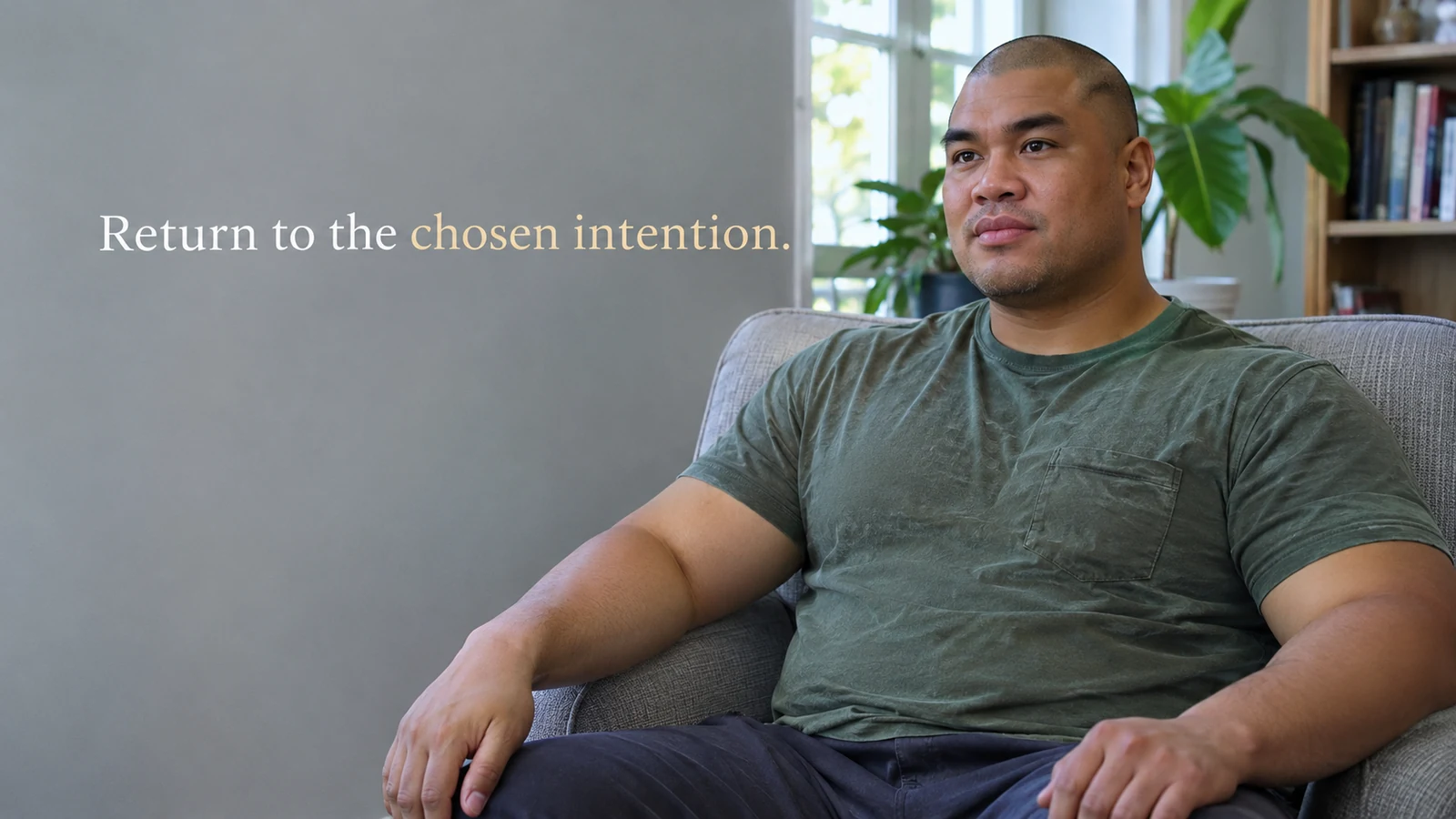
If an imagined conversation appears, recognise it as a thought rather than a preview. You might notice yourself picturing immediate agreement, a grateful reply or a perfectly worded exchange. Return to the part you chose to practise: speaking clearly, allowing a pause or hearing an answer without supplying it in advance.
An unwanted possibility can also appear. You do not have to replace every thought of refusal with an affirmation. The existence of that thought does not cause an outcome. Let the practice remain a place where a wish and uncertainty can coexist without an argument about which feeling is correct.
If you use sound, it can remain the material you are listening to. A change in melody, a coincidental word or the moment a track ends is not evidence about another person's intentions. Avoid converting features of a recording into private messages about what they will do.
Keep the invitation separate from the sitting
Afterwards, consider whether an invitation is appropriate and wanted. Meditation does not require immediate contact. You may need practical information, an existing agreement or a different occasion. A clear decision to do nothing now can remain a complete end to the practice.

For an ordinary welcome invitation, say what you are proposing and give enough information for the other person to decide. “Would you like to join the sketching session on Saturday?” leaves a more concrete choice than asking someone to prove a connection or understand an unspoken vision.
Make the real answer more important than the imagined one. A yes may still need clarification about time and scope. A no does not become a challenge to improve your belief. Silence is not agreement, and a delay does not justify repeated approaches or a private theory about resistance.
You can feel disappointed without turning the reply into a verdict on your worth or the other person's character. This article supplies no technique for managing a serious relationship conflict. It simply keeps an optional intention practice from becoming an excuse to decide someone else's answer.
What research about manifestation can and cannot establish
Dixon, Hornsey and Hartley's research on manifestation beliefs examines those beliefs and their psychological associations. Research about belief is different from demonstrating that thoughts attract an external outcome. It does not validate this article's original reflection framework or establish a way to influence a named person's choices.
Keep those boundaries when reading a claim about a recording. A study of general meditation, a clinical programme or people's beliefs cannot automatically substantiate a promise made for one audio track. Ask what was actually studied and whether the advertised result follows from it.
This framework offers a practical distinction you can assess directly: does the intention describe something you can choose, while leaving another person's response open? That is a wording and conduct question. No scientific effect size or promised relationship result is supplied here.
Two fictional intentions with different endings
A shared project remains uncertain
In this invented example, Anya hopes a friend will help organise a small exhibition. She notices that her imagined meditation scene already includes his agreement. She changes the focus to explaining the work honestly, including its time demands, and accepting an actual answer.
Her friend declines because he has another commitment. Anya is disappointed and considers a smaller project. His response supplies information about availability. It does not prove that her thoughts caused refusal, that he lacked commitment to the friendship or that she must repeat the meditation until the answer changes.
An invitation receives a limited yes
Another fictional reader, Ravi, would like company for a local walk. His intention is to ask clearly without adding pressure. The friend agrees to one short outing but cannot make it a weekly arrangement. Ravi keeps that limit attached to the agreement instead of interpreting it as the beginning of a guaranteed routine.
Both examples are original editorial illustrations, not testimonials or reported outcomes. The practice supplies no preferred ending. A person can make a considerate invitation and still hear an answer that differs from what they hoped.
Close without checking for proof
Let the meditation end when its actual instructions end or when you choose to stop. Return attention to ordinary surroundings and the next appropriate activity. You do not need to inspect messages immediately, search for signs or decide whether the universe received the intention.

Later, assess any real interaction from what happened. Keep the other person's words, actions and limits distinct from the story you pictured beforehand. A coincidental agreement does not establish that meditation caused it; a refusal does not demonstrate a personal failure.
You can retain the same conduct intention on another occasion or choose a different subject. The practice remains optional. Leaving another person's choice open includes leaving your own future use of the meditation open as well.
Frequently asked questions
Can I wish for a particular person to say yes?
You can recognise that wish without treating it as their future decision. Keep the practice focused on your own appropriate conduct and use the actual response for any practical decision. A wish does not create permission or agreement.
Does thinking about refusal make refusal happen?
This guide supplies no basis for that claim. A thought during meditation is not proof of an external cause. You can leave uncertainty present without repeatedly replacing it or taking responsibility for another person's decision.
Must I visualise a successful conversation?
No visualisation is required by this framework. Use an understandable practice that suits you, with an ordinary intention about your own behaviour. A mental image, if you choose one, remains imagined rather than predictive.
What if the subject becomes upsetting?
Stop, choose a less personal subject or leave the practice for another occasion. Optional reflection is not a substitute for support appropriate to your circumstances, and no recording requires you to persist through distress.
Return to an ordinary next step
SoulFul GLO's meditation transition guide covers finishing a sitting and returning to activity. Let the intention remain a direction for your own conduct while other people's choices stay theirs.