Your booking email says to enter from the main street. A message from the teacher mentions a door around the corner. You are going to a gentle yoga class you have never attended, and both directions seem plausible. Before leaving home, find out which door serves your class and what to do if it is closed when you arrive.
An address can get you to a building without telling you how to enter it. A studio may share reception with another business, use a different door after hours, or send people to a room reached from a separate stairwell. One precise reply can give you a route you can use without guessing at the door.
Quick answer
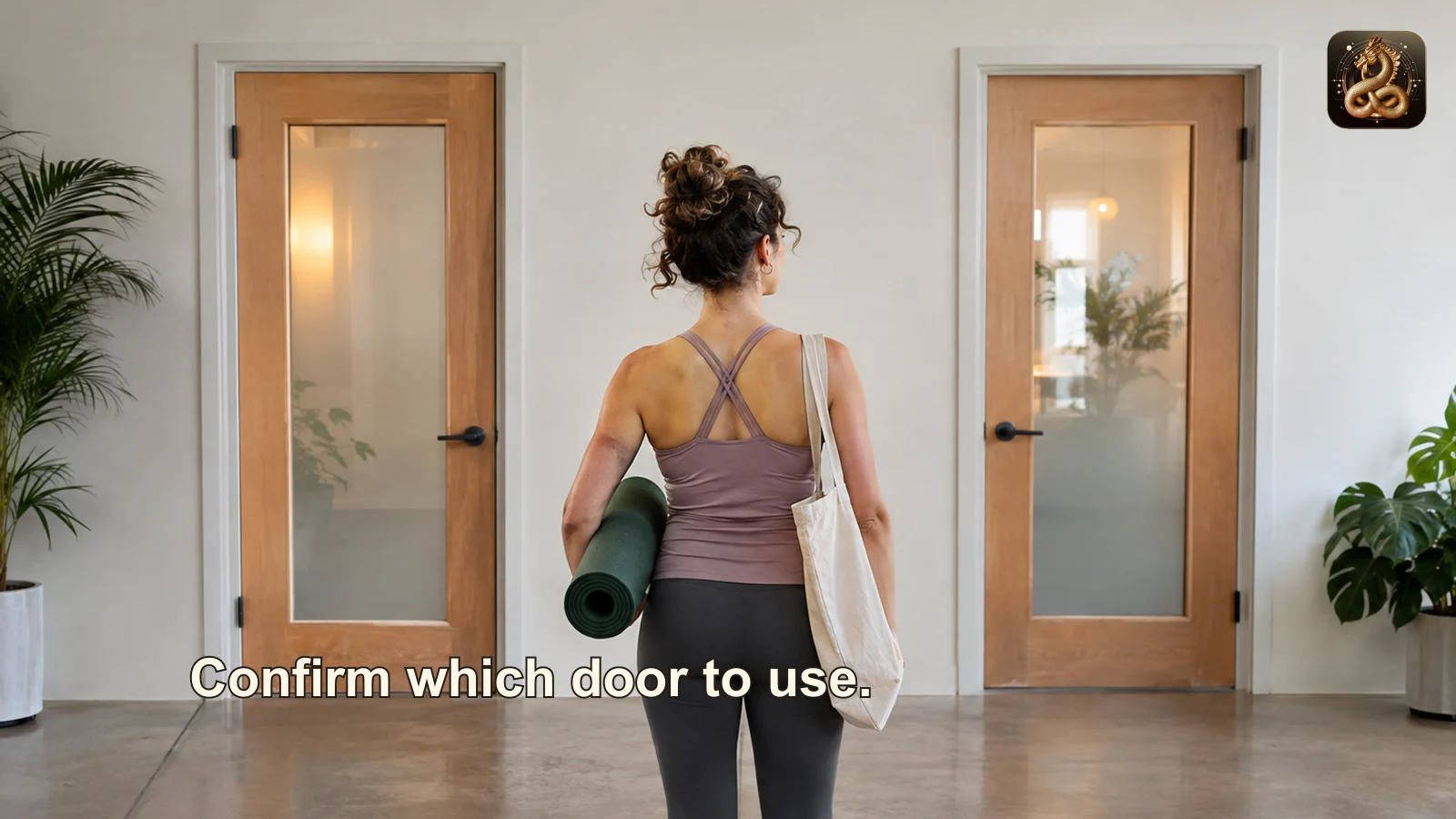
Send the studio the class time, date, and teacher or room if you know them. Ask which entrance to use for that specific session, when it opens, and what to do if you find it locked. If two messages give different directions, quote the relevant lines and ask which applies. If a feature of the route matters for your visit, ask about that feature and request enough detail to identify the door from outside.
Ask about the specific class
Start with the information the studio needs to identify the session. “I’m booked for gentle yoga with Maya at 6:30 on Tuesday” gives the recipient a class to check. If you have a room name, add it. A studio that uses two rooms may give different directions for two classes on the same evening.

Name the conflicting information in a single message. For example, “The booking email says Main Street reception. The class reminder says use the courtyard door. Which should I use for Tuesday’s class?” You can ask the question without making someone read the entire booking thread. If you are writing to a reception team, ask them to check the arrangement with the person opening the room if they are unsure.
If you find the directions in a public listing, check whether they refer to the studio generally or to the class you booked. A general address may describe the door people use during the day. A class reminder may describe an evening entrance. When both sources look current, a reply tied to your booking is more useful than trying to decide which source is more authoritative on your own.
Get a detail you can recognise outside
“Use the back door” may make sense to the person who works there. Ask how to find it from the street you will arrive on. A business next door, a gate colour, or a building number can help. If the entrance is through a courtyard, ask which gate leads to it and where the studio door is once you are inside. You can keep the answer handy on the day.
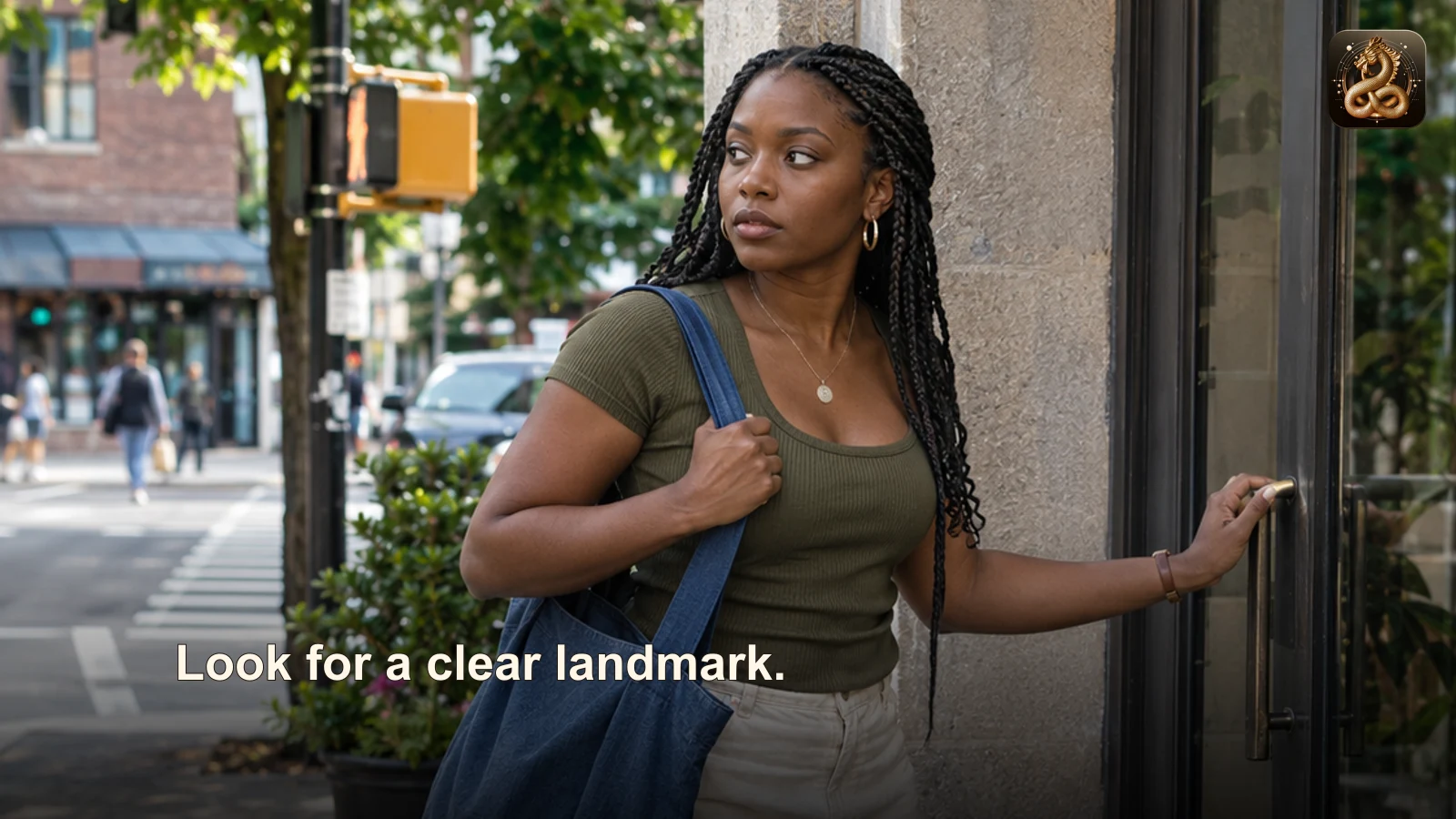
The difference between a door and a route matters. The same door may be easy to identify from one direction and hard to find from another. If you arrive from a car park or a bus stop, ask how to get from that point to the entrance. If the building has two addresses, make sure you have the street name as well as the number.
Suppose the reply says, “Go through the green gate on Market Lane, then use the glass door immediately on the left.” You can recognise those features as you approach. If instead the reply says, “Use our usual side entrance,” ask one follow-up. “Is that the glass door inside the Market Lane courtyard?” A narrow question is often easier to answer than another request for directions.
Confirm when the door opens
Ask whether the entrance is unlocked throughout the day or opened for the class. If the studio opens it ten minutes before a session, arriving twenty minutes early may mean waiting. Ask where you can wait if you arrive before the door opens. If you prefer to avoid waiting outside, you can plan your arrival around the time the studio gives you.
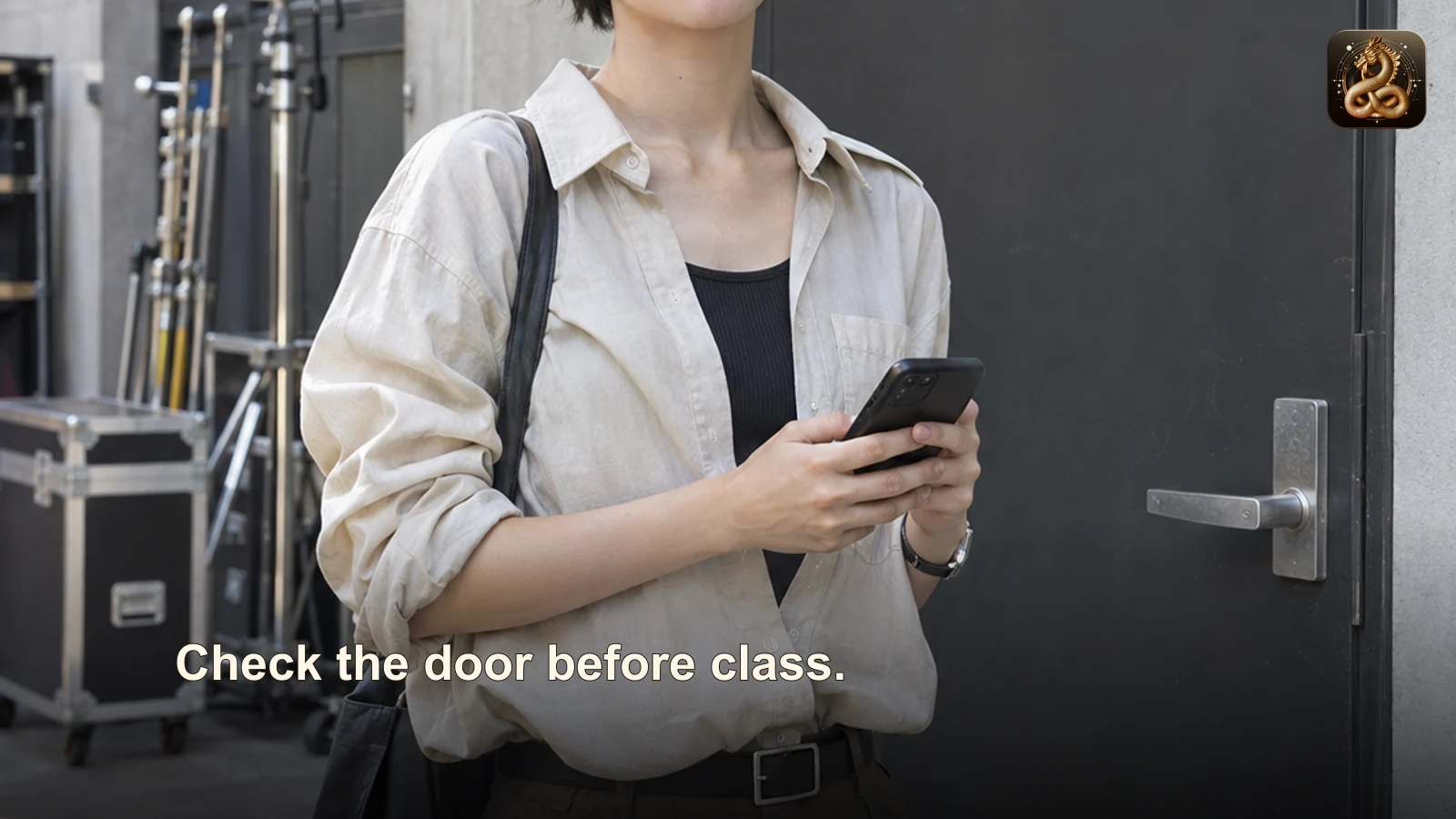
Check whether a locked door means you are early, at the wrong entrance, or expected to ring a bell. Ask what to do in that situation. A useful reply might say that the bell is labelled with the studio name or that someone will meet the group near reception. A phone number is useful if someone can answer it at that time. Ask who you should contact if the studio’s main desk is closed.
If you are likely to arrive close to the start, ask what happens after class begins. The teacher may be unable to come to the door. A late-arrival policy is something the studio can explain for your booking. If you expect a delay, use the contact method they gave you and let them tell you what is possible.
Ask about the part of the route that matters to you
If a step, a heavy door, or a long walk would affect your visit, ask about that feature directly. “Is there a step between the courtyard gate and the classroom?” is a different question from “Is the studio accessible?” The answer you need may depend on the route to this particular room. A person may be able to describe it without asking why you need to know.
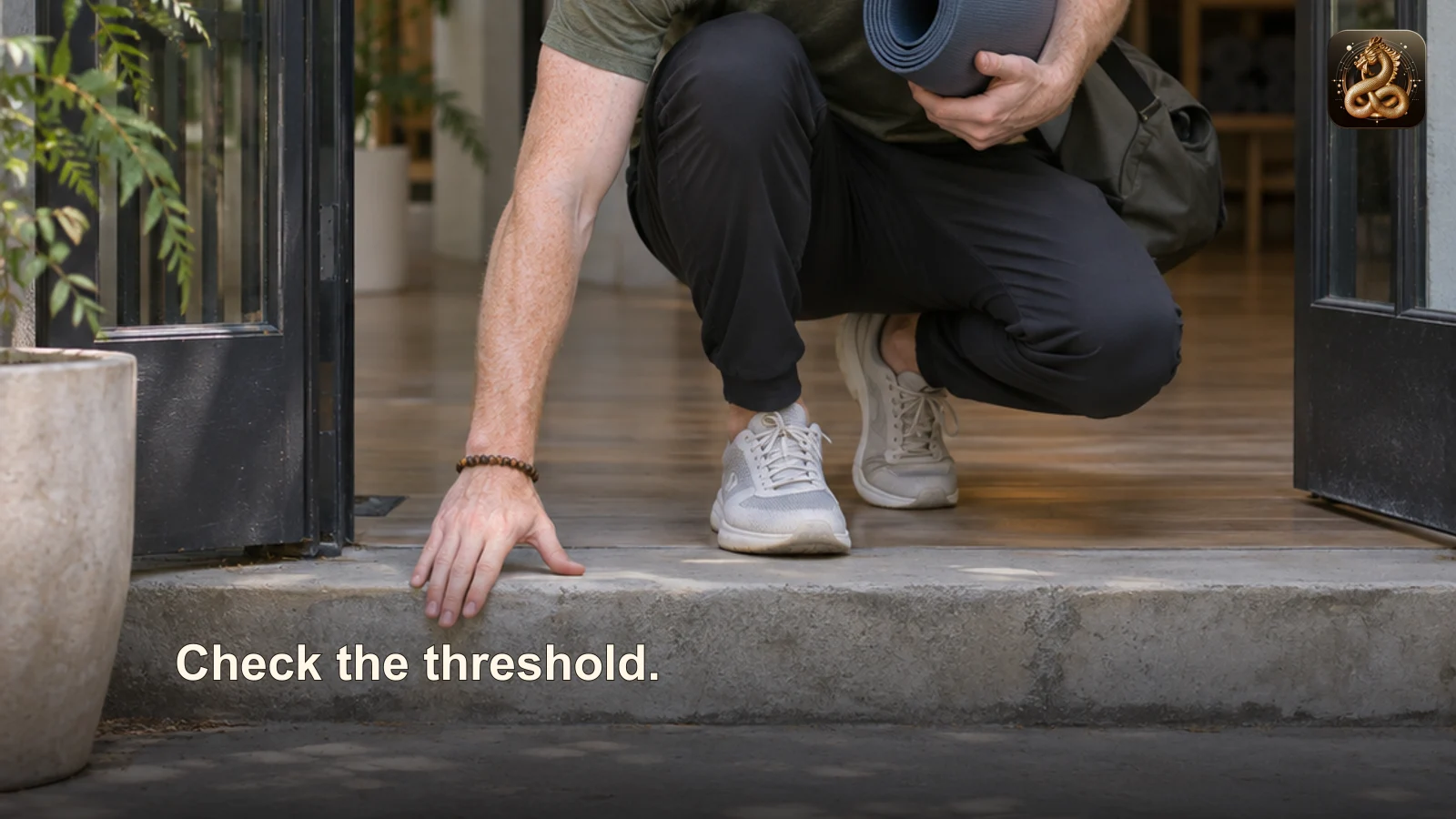
You can also ask whether the route is lit in the evening, whether a lift is available during class hours, or whether there is somewhere to set down a bag while opening the door. Choose the detail that matters to your arrival. If you need more than one detail, list them plainly and ask for a description of the whole route from outside to the room.
If a different entrance is easier for you to use, ask whether it is available for that class and whether someone needs to open it. Find out where the routes meet. You might enter through reception and meet the teacher at the room, while other people use the courtyard. If you are bringing a support person, send them the confirmed route and meeting point before you arrive.
Save enough information to act on
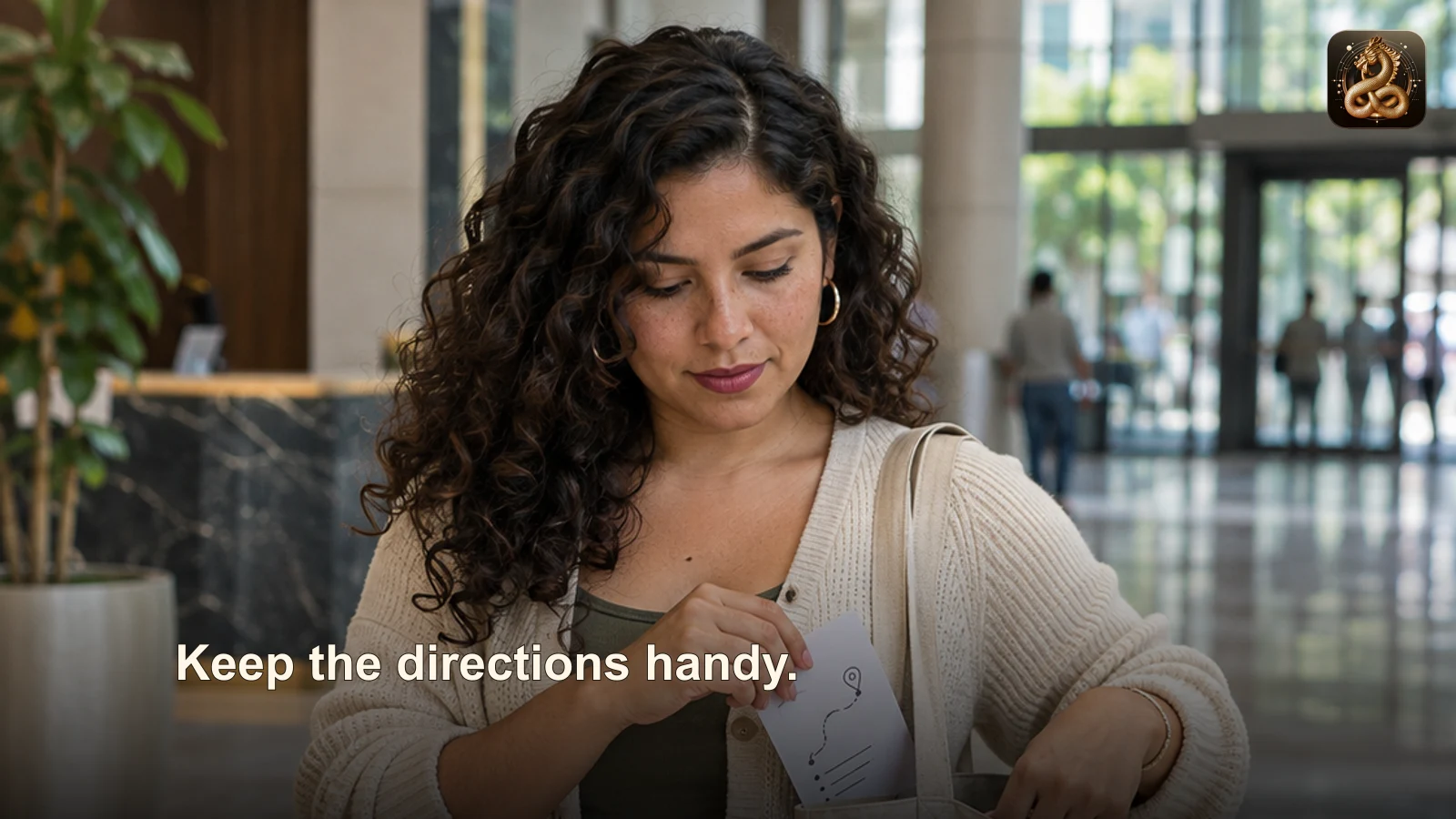
Keep the directions somewhere you can find them without scrolling through several messages. A short note might say, “Tuesday 6:30, Market Lane green gate, glass door left, opens at 6:20, ring the studio bell if closed.” Include the class date or time so you know which session the directions apply to. If you have a contact number, keep it with the note.
If you use a map, mark the entrance or the street corner that takes you to it. A pin in the middle of the building can still be useful for getting to the area. Use the studio’s description for the last part of the route. When you arrive, look for the specific gate, number, or landmark they gave you.
You can ask about the entrance again if the teacher, room, or class time changes. Directions for a weekday class may still be correct for a weekend session, but the opening arrangements may differ. Check the part affected by the change rather than asking the studio to explain everything again.
Try it with an ordinary booking
Imagine you are booked for a 7:15 class. The website shows reception on High Street and the reminder mentions a courtyard. You write to the studio with the class time and ask which entrance to use. They explain that reception closes at seven. For your class, use the courtyard gate on the next street and wait by the glass door. The teacher opens it at seven.
You normally arrive by bus at 6:50. You now know that you will be early and can decide where to wait. The studio gives you a number to call if the gate itself is locked. You save it alongside the directions. When you arrive, you can identify the gate and know whether a closed door is expected.
On another day, you book the same class at a different time and receive a notice that it has moved to the upstairs room. You ask whether the courtyard route still applies. The studio confirms that it does, but tells you to take the stairs just inside the door. That short check gives you the information relevant to the new booking.
Read the reply from the street, not from inside the building
Before setting out, imagine that you are at the first landmark and have never seen the room. Can you tell where to turn? If the reply begins with “go past reception,” check whether reception is visible from the entrance you are meant to use. If a door is named by its room number, ask whether that number can be seen from the corridor or whether it appears only inside.
If someone is meeting you, agree on a spot both of you can identify. “Outside the green gate” gives each person a clearer place than “at the studio.” Include a fallback if either of you reaches the other entrance. One short message can prevent two people from waiting at different doors and assuming the other has not arrived.
Frequently asked questions
Should I use the entrance listed on the map?
Use it if the studio confirms that it serves your session. A map can show the building’s main address without showing the entrance that is open for a particular class. Compare it with the directions for your booking and ask about any conflict before leaving if you can.
What if I arrive and cannot find the door?
Return to a landmark you recognise and check the directions from there. Use the studio’s agreed contact method if you still cannot locate it. Give your current street or landmark and the class time. That helps the person on the other end guide you from where you actually are.
Can I ask about a route without explaining why?
Yes. Ask for the detail you need, such as whether the route includes steps or whether someone can open a particular door. The studio may need to clarify the practical request. You can share the information needed to plan your arrival.
What if I get two different answers from the studio?
Reply with both directions and ask which applies to the class time and room you booked. If possible, ask the person responsible for opening the room. Keep the latest confirmed instruction with your booking so you can refer to it on arrival.
If your plan changes on the day, read the studio's most recent message before relying on an old screenshot. A door used for a weekend workshop may be closed during an evening class. Look for the class name and date in the reply so you can tell which instructions apply. If the directions refer to an unfamiliar landmark, ask for a street name or a photo of the entrance that staff can share.
Keep the contact details somewhere you can reach without signing back in. For instance, save the studio's number next to the entrance note. If you do need to call from outside, you can say which street you are on and what you can see. That gives the person answering something concrete to work with.
Leave home with one usable route
Before you go, check that you know which door to use, how to recognise it, when it opens, and what to do if it is closed. Put those details where you can find them. A clear arrival plan leaves you free to decide how you want to participate once you are inside.