
You see a timetable that includes zazen, a Dharma talk and an introductory session. The quiet room looks inviting, but the names do not yet tell you which part teaches a newcomer what to do. Before arriving for an ordinary sitting, find the opportunity that actually provides instruction.
Zazen refers to seated meditation in a Zen Buddhist context. It is not simply a new label for any recording without a voice. Understanding that context lets you approach the practice with curiosity without assuming that familiar app instructions, gestures copied from a photograph or a general wish to relax supply the teaching.
Quick answer
Choose a genuine introductory instruction opportunity from the actual Zen community. Establish what it teaches, how seating needs and questions are handled, and which parts of the wider programme are separate. Learn the instructions and forms from that teacher rather than copying other participants. Decide afterwards whether you want further participation; neither silence nor a short introduction promises a particular experience.
This is an orientation for finding and understanding instruction. It does not teach a zazen sequence, prescribe a physical posture or interpret a tradition on behalf of its teachers. A first visit can remain a learning opportunity rather than a commitment to a course, community or spiritual identity.
Recognise the context before choosing the activity
A Zen centre's programme may bring together meditation, teaching, forms and community activities. Read how the actual organisation explains its practice rather than assuming each item is an interchangeable wellness session. A familiar word such as mindfulness does not account for everything a particular community teaches or observes.

You can be interested without claiming knowledge you do not have. Tell the organiser that you are new to zazen instruction, even if you have used guided meditation elsewhere. That gives them more useful information than describing yourself as advanced because you have listened regularly or completed long recordings.
Keep respect separate from imitation. You do not have to infer the meaning of a bow, a bell or a room arrangement from appearance. Ask how newcomers are introduced to the forms and what participation entails. Learning an explanation is more informative than trying to perform the room correctly without knowing the invitation.
Distinguish instruction from a regular sitting
San Francisco Zen Center's City Center beginner page distinguishes zazen instruction, an introduction to zendo forms and other practice opportunities. Its instruction description includes posture suggestions and questions. That provides one real example of why a programme can separate learning the practice from joining an ordinary sitting.
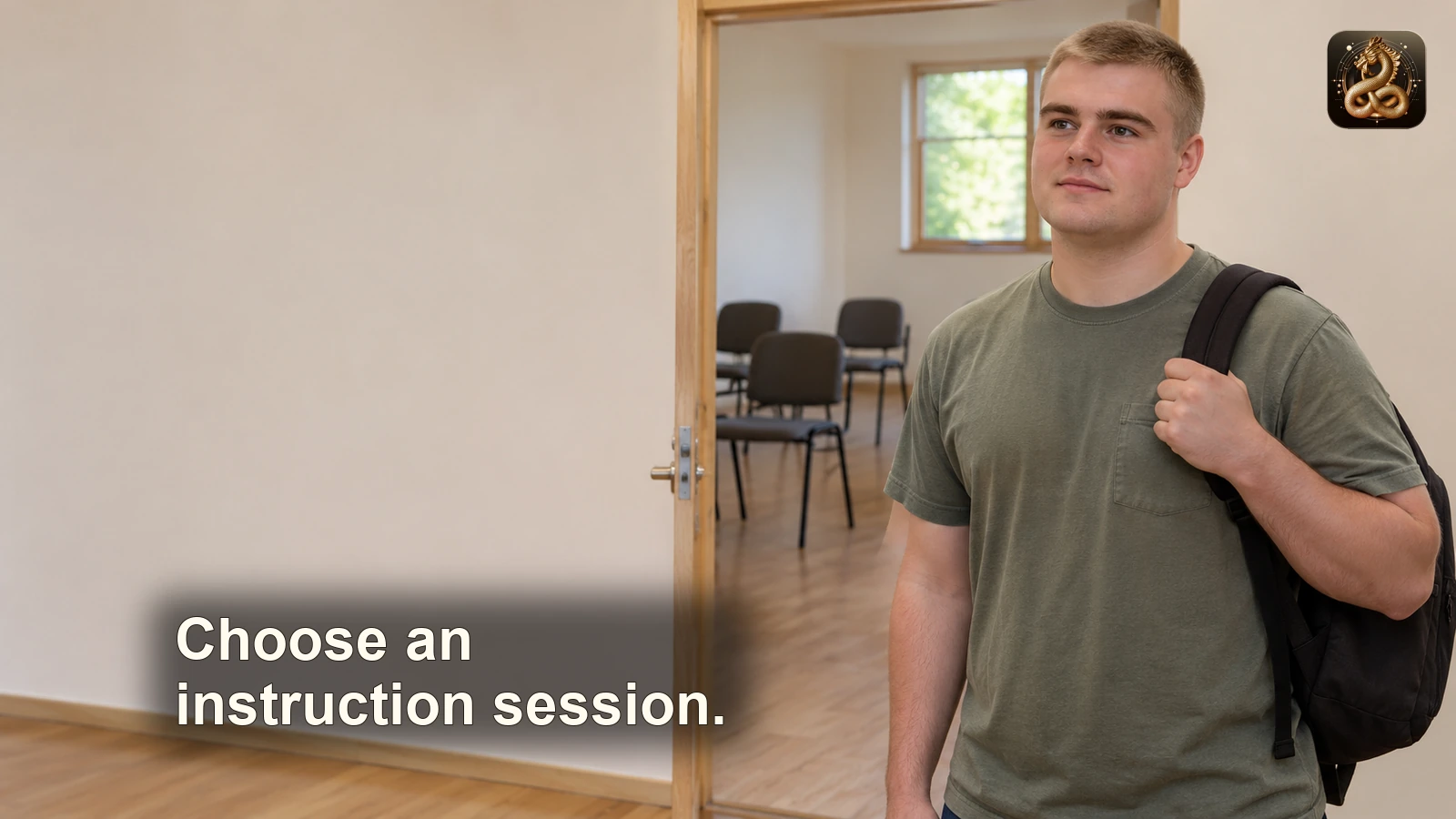
The same page describes further beginner opportunities after instruction. These are that organisation's arrangements, not a universal sequence for every Zen centre. Use its current calendar for its actual offerings, and use the provider's own information wherever you are considering attending. An old screenshot should not determine your arrival plan.
Ask which session is intended for someone who does not yet know the local instructions. You might need an introduction before a regular meeting, a recording supplied by the centre or a conversation with an appropriate teacher. Do not assume an open timetable means that every activity contains a beginner explanation.
Find out what will actually be taught
Look for a description of the instruction rather than a promise about how the room will feel. Does the session explain the sitting practice, offer time for questions and show how the community moves between activities? Identify what is included and what is left for a separate introduction.
A short question can establish the difference: “I have not had zazen instruction before. Which session should I use, and does it explain the local forms as well as the sitting practice?” The wording is an original inquiry example. You can adapt it to the information you actually need.
Keep the reply within its scope. Confirmation that questions are welcome does not establish that every question will receive an individual answer during a group session. If a particular concern affects whether you can participate, ask how it can be discussed before making a plan that depends on it.
Ask about the seating arrangement you need
Photographs can show cushions, benches or chairs without establishing what is provided or appropriate for your circumstances. Ask the actual provider what arrangements are available and how a newcomer can discuss a seat they use comfortably. An image of floor sitting does not require you to reproduce it at home beforehand.
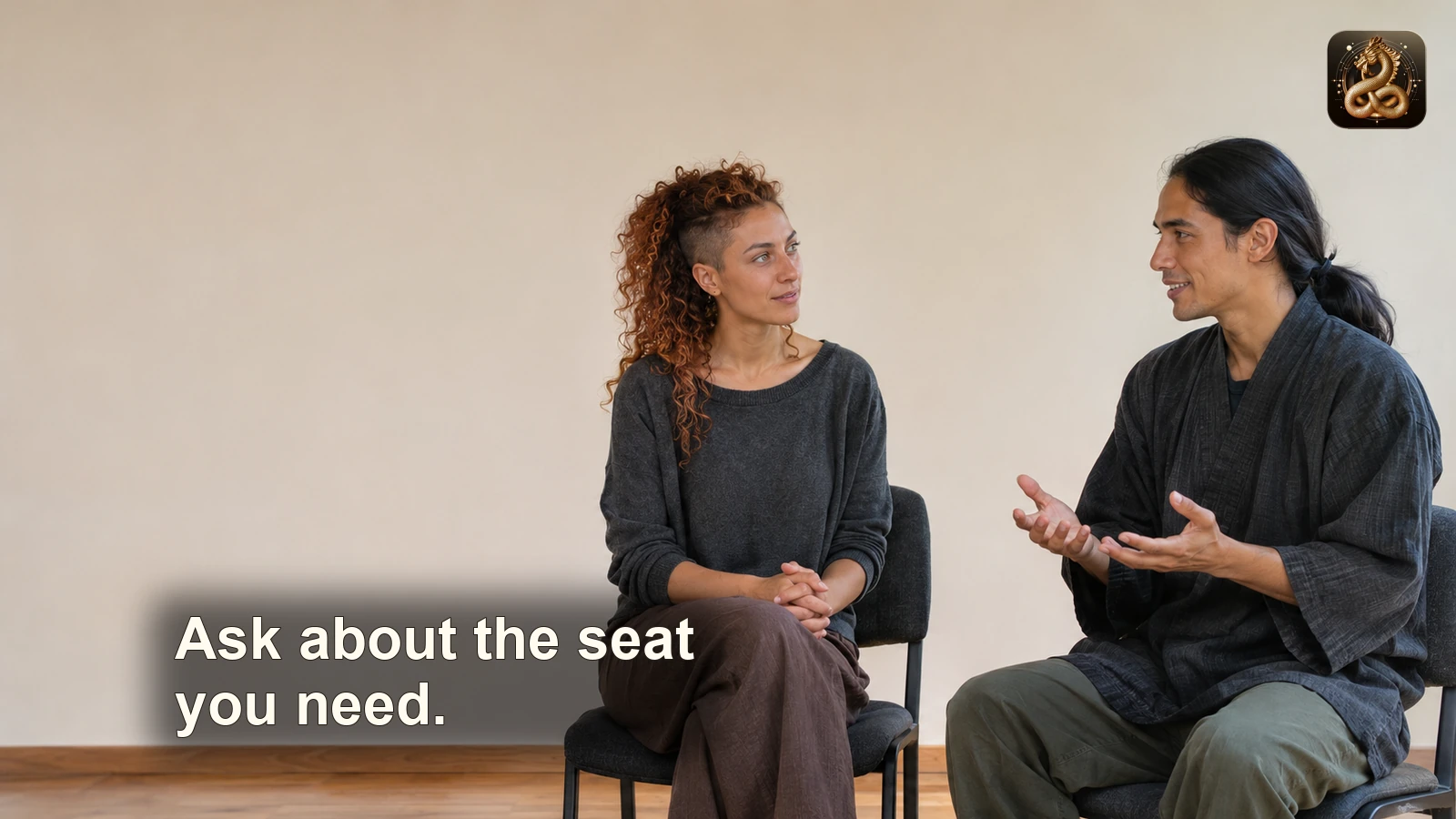
This article cannot assess a posture, certify equipment or give a physical modification. Individual health or movement concerns need appropriate qualified advice. You can explain a practical access need without asking a general online description to decide whether a particular position is suitable for you.
Do not make new equipment a condition of asking. Find out what the organisation supplies and what it requests participants bring. If an essential arrangement is unavailable, you can choose another instruction opportunity or postpone. A practical mismatch does not establish anything about your seriousness or capacity to learn.
Learn local forms from a real explanation
An unfamiliar room may have a particular entrance, place for belongings and way of moving between activities. Wait for the introduction or ask the responsible person rather than following someone whose role you do not know. Another participant may be doing something intended for their own place or responsibility.
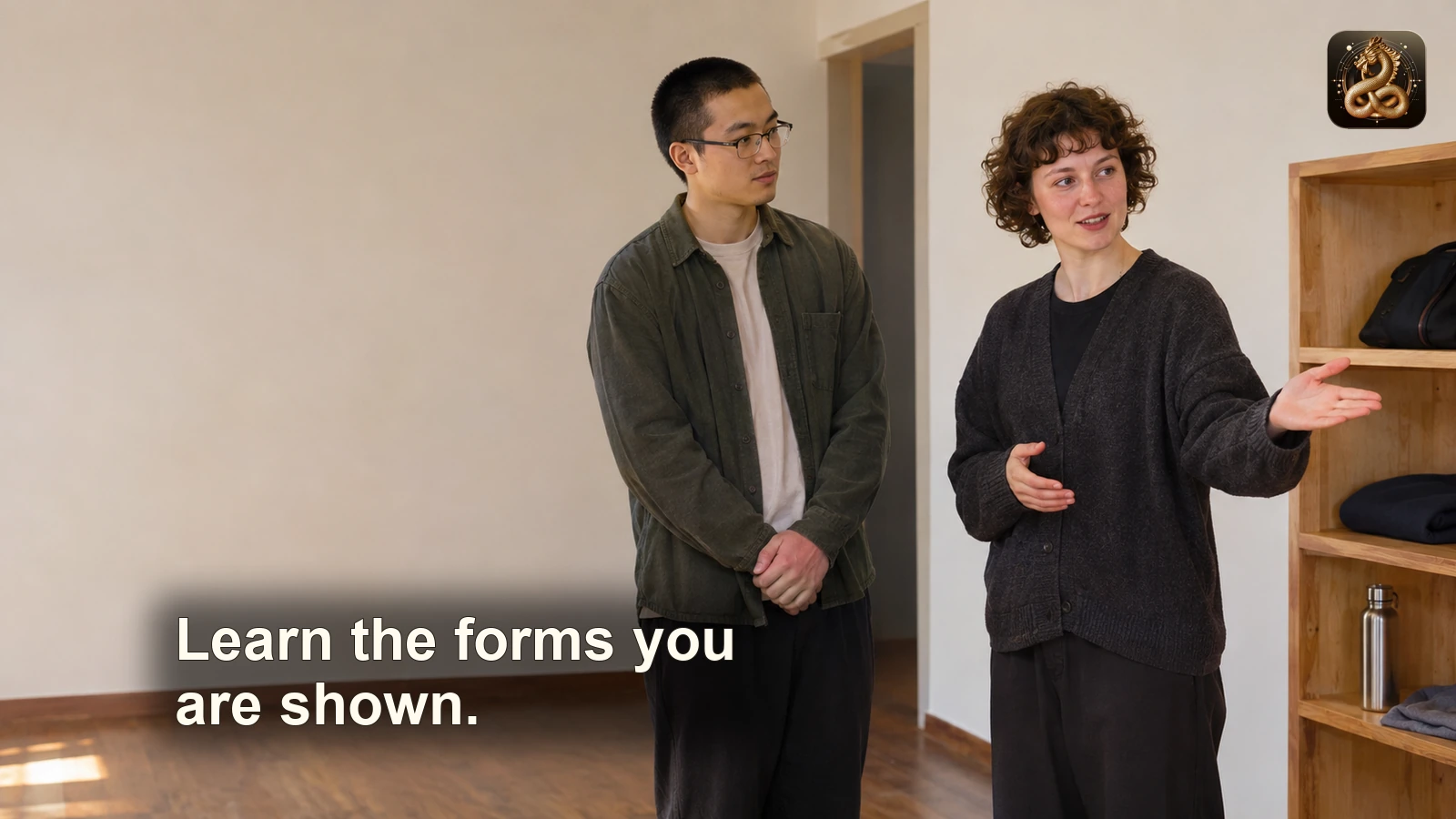
The meaning of a form should remain connected to the teacher and community explaining it. Avoid turning one observation into a rule about all Zen practice. If you do not understand what a gesture involves, ask before treating it as compulsory or as a generic calming technique to copy elsewhere.
SoulFul GLO's guide to spiritual language in guided meditation addresses the separate question of whether a resource's framing fits your beliefs. Zazen instruction has its own context. You can respect that context and still decide that you want a different type of practice or more explanation before participating.
Keep silence separate from missing directions
During a quiet period, you may be able to hear that nobody is speaking without knowing what attention practice you were asked to follow. Silence is an observable feature of the room. It does not fill in an instruction you missed or establish that you should borrow a sequence from another resource.

Ask how questions are handled before the sitting begins. If uncertainty arises later, use the arrangement the teacher described. You can also stop participating when needed and respond appropriately to your circumstances. This article does not ask you to remain through an unclear physical instruction to avoid disturbing a quiet atmosphere.
For a different transition, SoulFul GLO's guide to trying unguided meditation after recordings concerns using instructions you already understand. It is not a substitute for a first zazen lesson. Familiarity with silence or an app timer does not show that you know a particular community's practice.
Separate learning from expected benefits
You may want to understand the activity, ask a teacher about its context or find out whether this setting interests you. Those are concrete learning aims. They do not require predicting that the introduction will make you calm, help you sleep or solve an everyday difficulty.
NCCIH's meditation overview discusses varied practices, limitations in research and possible negative experiences. Such evidence does not verify an outcome from this particular session or compare every tradition. Keep appropriate care separate from optional practice, and do not delay support for a concern because you want to complete an introduction first.
Explore SoulFul GLO's current meditation overview if you would also like to compare individual guided options. Check the actual resource descriptions. This article does not establish that the app teaches zazen, supplies a Zen curriculum or replaces instruction from the community whose practice you want to learn.
Make a small first-visit plan
Once you have the essential answers, keep the plan simple: the actual session, its confirmed arrival arrangement and the question you want explained. Read the provider's current practical information. You do not need to turn an introductory visit into a purchase, a long preparation project or a promise to attend every later activity.
Distinguish the parts you have chosen. If instruction is followed by a talk, another sitting or social time, find out which arrangements apply to each. An invitation to stay does not mean you have already agreed to the whole programme. Ask how a newcomer can finish after the portion they planned to attend.
For an online opportunity, use the organisation's legitimate joining information and stated technical arrangements. A working camera or browser does not establish admission to the actual session. Clarify whether the particular format includes questions or instruction rather than assuming that every online broadcast is interactive.
Two fictional first-instruction decisions
In this invented example, Lina has used guided recordings and sees a public zazen period listed near an introductory session. She initially thinks she can join the quiet sitting first and learn by watching. The centre's description explains that newcomers should begin with instruction, so she changes her plan.
Lina asks about an ordinary chair arrangement before travelling. If the confirmed option and introduction fit her needs, she can attend. She does not practise a photographed posture to demonstrate readiness. Her eventual learning and comfort remain unknown in this example; no result follows merely from making the plan.
Another fictional reader, Omar, is interested in a teaching but unsure about the forms used in the room. He asks whether their meaning is explained in the introductory session or separately. The reply gives him a specific opportunity to learn, instead of requiring him to guess what other participants' movements mean.
Omar can decide after the explanation whether he wants to take part. He does not need to dismiss the tradition to decline, or claim that he has adopted it because he attended once. These are imagined choices about learning and participation, not testimonials from students or recommendations of a particular centre.
Review what you learned before choosing more
After the introduction, notice concrete points: which instructions were understandable, which local forms were explained and which question remains. A small factual note may help you find the appropriate follow-up. There is no need to rate how peaceful you looked or compare your sitting with the person beside you.

You may want further instruction, another opportunity to ask a question or time to consider the context. You may also decide that another practice fits better. None requires an unsuccessful long sitting first. Interest can stay exploratory, and a completed introduction does not oblige you to increase the commitment.
If the experience was uncomfortable, keep the observation specific and seek appropriate support when needed. Avoid treating difficulty as proof of a hidden achievement or a reason you must persist. The next decision should rest on the real teaching, your willingness and any advice relevant to your circumstances.
Frequently asked questions
Is zazen just meditation without a recording?
Keep the Zen context and the actual teacher's instructions in view. The absence of recorded speech does not define the whole practice. Use a genuine introduction rather than assuming that a familiar silent session elsewhere supplies the instructions or forms used by this community.
Should I copy the posture in the photographs?
Ask about the actual instruction and seating arrangements instead. A photograph does not assess suitability or explain a position. This article supplies no posture prescription, equipment certification or physical adaptation. Obtain appropriate qualified advice for individual concerns and keep participation voluntary.
Does an open sitting always include beginner instruction?
Check the particular programme. The cited San Francisco Zen Center page distinguishes instruction from other opportunities, illustrating why the timetable matters. Another provider may organise learning differently. Find out which actual session explains the practice before planning to learn by watching.
Must I decide about joining the community after one lesson?
No such requirement is established here. Read any actual terms, learn what is offered and make your own choice about further participation. A first introduction can remain an introduction. It does not require adopting a spiritual identity, attending a retreat or promising a regular schedule.
Begin with the instruction you need
Read SoulFul GLO's first-meditation-group questions guide for wider practical participation questions. Keep those general arrangements separate from the zazen teaching you are seeking. A clear first step is an actual opportunity to learn, with room to ask, understand and decide what you want next.