A yoga teacher says to move as though you are drawing a curtain or to imagine your arms reaching toward two walls. You may understand every word and still be unsure what the teacher wants you to do. The image can be memorable without giving you a clear starting point or telling you when to stop.
You can ask about the instruction without deciding whether the image is a good one. Start with the part you need to follow: what moves, when the movement begins or whether the teacher is describing a quality such as speed. One concrete answer may make the cue usable. If it does not, you can wait or sit out that part of the class.
Quick answer
When a yoga metaphor leaves you unsure, pause before copying the movement. Repeat the short phrase you heard and ask what it means in that particular sequence. Ask for a plain movement description, a demonstration or a cue for when to stop. Check that you can follow the answer from your place. If the instruction remains unclear, choose a pause or another option the teacher explains.
Notice what the image is doing
A teacher can use imagery in several ways. One phrase may describe a direction. Another may describe a pace, suggest a point of attention or give the class a way to remember a transition. You do not have to know the category before you ask. Notice which part of the instruction is missing for you.
For instance, if the teacher says to “move like a curtain,” you may wonder which part of the movement the comparison refers to. A useful question is, “When you say curtain, are you describing how slowly we move or where the movement goes?” The answer can be something you did not expect. The teacher might say the phrase was only a reminder to finish the current movement before starting the next.
Keep the exact phrase in mind long enough to ask. If you remember only part of it, say that. “I heard the part about the curtain but missed what came just before it” is enough for the teacher to place the question. It also leaves room for the possibility that the practical instruction was in another sentence.
Ask for the missing practical detail
A broad question such as “What does that mean?” may be fine when the teacher has time. In a moving class, a smaller question can help both of you. If you know the movement but missed when it begins, ask about timing. If you heard when to begin but could not see what moves, ask for that part. There is no need to ask for a full explanation when one detail would let you follow.
Some questions you can ask are short enough for a natural pause in class. “Could you show that transition once more?” asks for a repeat. “What should I watch for before the next cue?” asks for a starting reference. “Is that image a description of the movement or something optional to think about?” lets the teacher distinguish the two. Use whichever question fits what you heard.
If the class has a point at which questions are welcome, wait for it when you can do so without trying the movement. If the teacher is already showing the next step and there is no useful chance to ask, you can stay with an option you understand or sit out until you get a clear explanation. Ask about the studio’s usual way to handle questions when you are choosing a class.
Watch for the difference between a name and a cue
An unfamiliar name may identify an activity or a position. A metaphor may describe some feature of how the teacher wants the class to approach it. It is possible to recognise the name and still be unsure about the instruction. You may also understand the instruction even though you have never heard the name before.
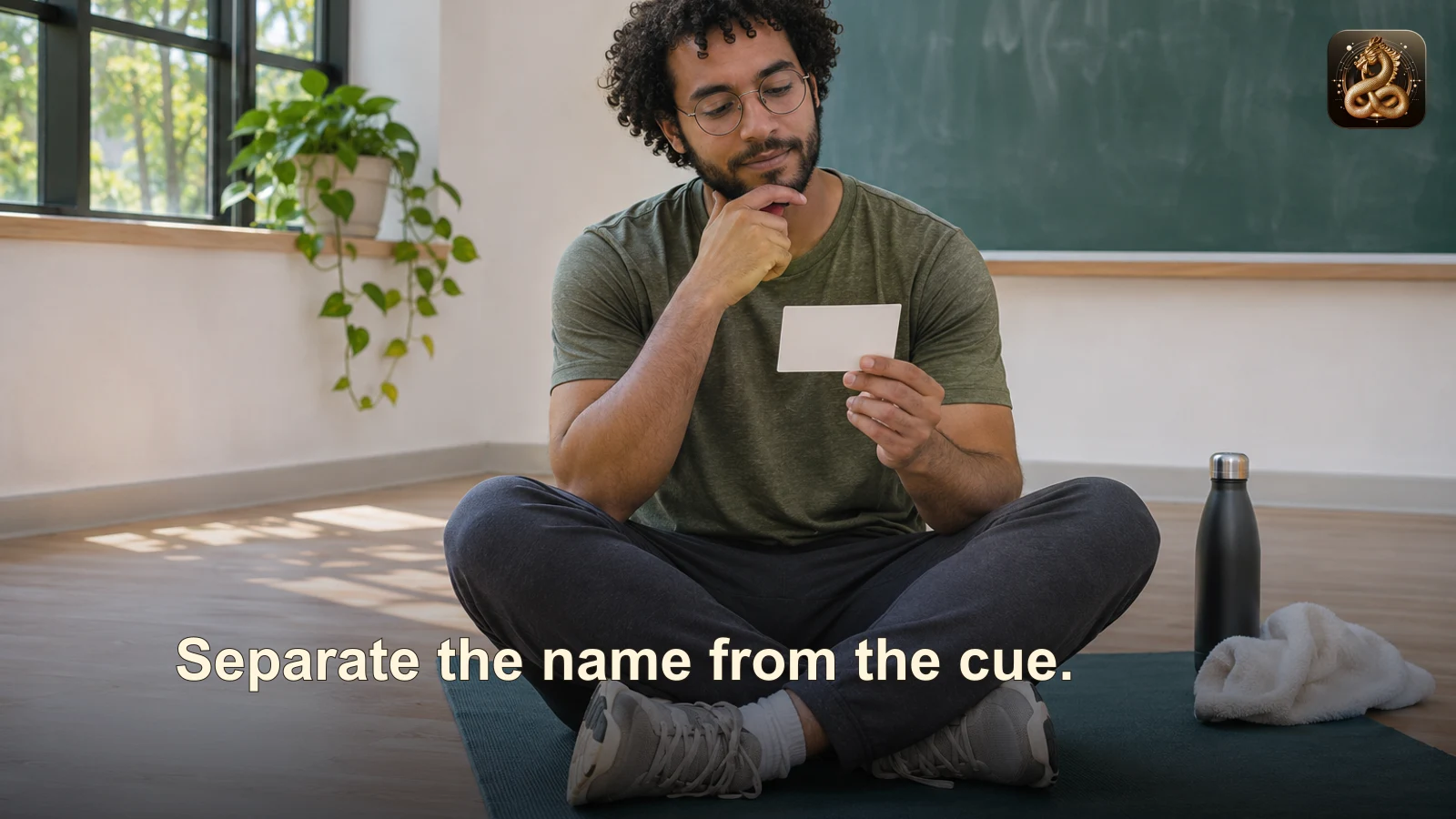
If the teacher says a familiar name and then adds an image, ask about the words that changed what you thought you were meant to do. You do not have to ask whether the name is correct. If you are following a recording, stop and listen to the whole instruction again. The image may be explained just before or after the sentence you remember.
For the separate task of clarifying a name you have not heard before, read SoulFul GLO’s guide to unfamiliar yoga pose names. In this guide, the question is about what an image contributes to one instruction. The same phrase may be used differently in another class, so it is useful to record the explanation with its context.
Check that the answer works from your place
A demonstration can help only if you can see the part that answers your question. If you can see the teacher’s upper body but not their hands, a spoken explanation may be more useful. If you can hear the words but are unsure which direction they describe, the teacher may be able to show the movement from another angle. Ask for the piece you can actually use.
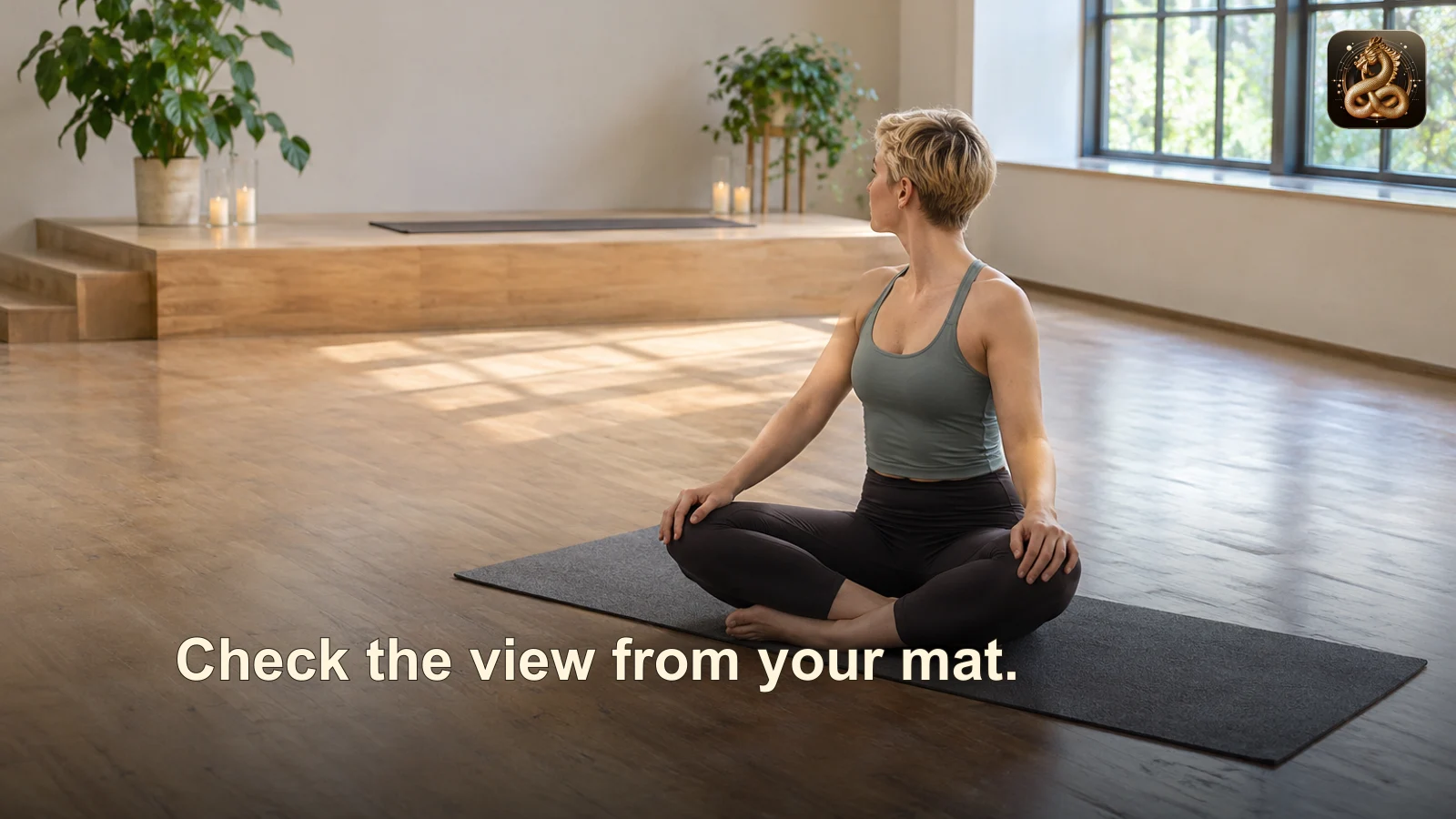
You can check the explanation without starting immediately. For example, you could say, “So the image is about the pace, and the movement itself stays the same?” That gives the teacher an opportunity to correct a misunderstanding. You do not have to repeat the whole instruction back or name the muscles involved.
In a recorded lesson, choose a stopping point where you can put the device down before trying anything. If there is a written class description or another demonstration from the same instructor, check whether it answers the actual question. A search result using the same phrase does not establish how this instructor meant it. You can choose a clearer video instead of trying to translate the cue by yourself.
Use a pause without treating it as a setback
If a metaphor leaves you uncertain while the rest of the class moves on, take the pause you need. A few seconds can be enough to hear the next explanation. If you still cannot tell what is expected, keep to an option already explained or sit that part out. You can rejoin when the instruction is clear and the option suits you.
There is no need to force an image to work for you. Some people enjoy comparisons; others find it easier to follow a short literal cue. You can ask, “Can you say that without the image?” without offering a reason. A teacher may give an example you can use, or may tell you that the phrase is optional. Either answer helps you decide what to do.
You may find that a particular class uses several cues you cannot follow comfortably. That is useful information about the format. If you want another session, ask how its teacher introduces unfamiliar transitions. You can prefer a different teaching style without making a general judgment about the teacher you tried.
Try two fictional class decisions
Imagine Devon hears “move through honey” during a short demonstration. Devon can see what the teacher is doing, but is unsure whether the phrase means to reduce the size of the movement. At the next pause Devon asks what the comparison describes. The teacher says it was a reminder about pace. Devon now knows what part of the instruction the image was meant to explain.
Imagine Mina hears “reach for the far wall” in a recording. The camera does not show the full movement, and Mina cannot tell when the reach is supposed to end. After listening again, Mina still cannot locate a clear stopping cue. Mina stops the recording and tries a different lesson that describes the transition before demonstrating it. The choice comes from what is available, rather than a guess about a phrase.
Both decisions start from an ordinary question: what information would make it possible to follow? Neither depends on reproducing the example phrases. You can use the same approach when the teacher mentions a different object, action or place and you are unsure how it relates to the movement.
Keep a reference only if it will help next time
If a phrase is likely to come up again, you can make a short note after class. Include the name or time of the lesson and the part of the sequence it belonged to. A note such as “curtain image: teacher meant wait for the current movement to finish” is useful because it preserves the teacher’s explanation in context. It is not a rule to take into other classes.
If you want to check the note next time, ask whether the phrase is being used in the same way. A substitute teacher might say something similar while demonstrating a different transition. The old note can help you ask a better question; it does not settle the meaning of the new instruction.
You can also decide that there is nothing you need to keep. If the clarification was only useful in that one moment, it can end there. Pay attention to whether you now know what to do when a cue is unclear, rather than trying to collect every phrase you hear.
Frequently asked questions
Should I picture the image before I move?
Ask what role the image has in that instruction. It may be optional, or it may be the teacher’s way of describing a quality such as pace. If the image does not give you enough information to move, ask for a plain explanation or choose to pause.
What if everyone else seems to understand?
You cannot tell what another participant understood just from seeing them move. Use the information available to you. A short request for a demonstration or another description is a reasonable way to clarify the next step.
Can I ask about the phrase after class?
Yes. Give the teacher enough context to locate it, such as the point in the class or the transition that came next. If it still matters to you, ask whether there is a direct cue you can listen for next time. Avoid practising a guess while you wait for the answer.
Does a metaphor mean the same thing in every class?
The phrase may refer to different aspects of different lessons. Ask about the instruction you heard in its own context. If you write down the explanation, note which class or recording it came from rather than treating it as a universal definition.
Bring one clear question to the next class
Remember the phrase and decide which part of the instruction you need. Ask for the missing detail, then check that the answer gives you something you can follow. If an unfamiliar name is the part that needs explaining, use the pose-name guide to shape a separate question. You can start with a pause whenever the next step is not clear.